TL;DR:
- Optimal trekking in Nepal is in autumn (Sept-Nov) & for Everest Base Camp specifically, in April and Oct-Nov.
- Autumn offers clear skies and stable weather; April features rhododendron blooms and fewer crowds.
- Everest Base Camp trek is strenuous; good fitness level and pre-trip training are recommended.
- Pack essential gear like sturdy boots, layered clothing, a warm jacket, and rent equipment in Kathmandu if needed.
- Show cultural respect by engaging with locals, observing traditions, and learning a few Nepali phrases.
- Permits required include TIMS card, Sagarmatha National Park Entry Permit, and Khumbu Pasang Lhamu Rural Municipality Permit, often bundled in trek costs.
- Practice ethical trekking by following eco-friendly guidelines, supporting conservation, and choosing responsible trek operators.
- EBC trek difficulty is high due to long trekking days and altitude; proper preparation and gear are crucial for a successful experience.
Is Nepal trekking Everest Base Camp a dream of yours? Wonder if it’s worth the steps and the breaths? You’re not alone! Every year, folks just like you lace up their boots to hit this famous trail. Why? For the crisp mountain air, the challenge, and a peek into life high in the Himalayas. I’ve trekked these paths, I’ve breathed that air, and I’m here to share the scoop. Want to find when the sky’s clear and the trail beckons? Stay with me and dive into the best times for Nepal trekking, especially that mighty Everest Base Camp trek. Let’s get you ready for the adventure of a lifetime!
Table of Contents
What’s the Best Time to Trek in Nepal?
Understanding Nepal’s Trekking Seasons
The best time for Nepal trekking is autumn, from September to November. During these months, the sky is clear, and the views are stunning. The weather is dry, which makes trekking less risky and more enjoyable. Nighttime can get chilly, but days are often pleasantly warm.
When to Experience Everest Base Camp at Its Best?
For Everest Base Camp, the best times are in April or from October to early November. The weather conditions at Everest Base Camp are stable, with minimal snow. April brings blooms that light up the hills with rhododendrons.
Let me guide you through each detail. September to November, Nepal’s fall, shows off clear skies and perfect mountain views. It’s a time when the monsoon rains have washed the dust away, leaving fresh, crisp air. During this season, trekking is popular. So, be ready to share trails with fellow adventurers.
After the cold winter, April opens the doors to warmer days. The ice starts to melt, making the paths less slippery. Yet, cold snaps can still hit, especially at high altitudes where Everest Base Camp lies. This season is less crowded, so you’ll enjoy some solitude on your trek.
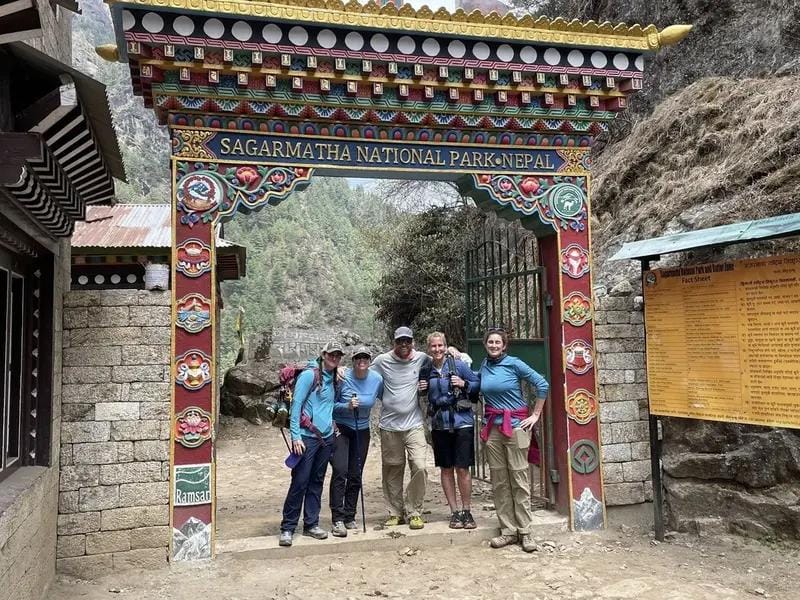
Travelers love the trek through Sagarmatha National Park during these times. As experts, we know – this is the chance to witness the Himalayas at their finest. The colors, the light, and the environment are ideal for those memorable snaps.
Imagine starting in Kathmandu, trekking alongside the Dudh Koshi River, and staying in cozy guesthouses. You’ll need good fitness to enjoy treks to Kala Patthar and Nangkartshang Peak. The challenge is worth it for the culture and views. On good days, you’ll see Everest, Ama Dablam, and more, standing mighty in the blue.
Ever dreamt of dining in a tea house in Namche Bazaar or spinning a prayer wheel in Tengboche Monastery? Autumn gives you the gentle warmth and clear skies needed to savor these moments. And April? It absorbs you in springtime blooms and quieter trails.
On a clear day, the flight to Lukla is breathtaking. You can see the outlines of mountain giants under you. The short but scenic trip is a prelude to the trek. Note that you may fly from Manthali/Ramechhap in peak seasons, as Kathmandu’s airport expands.
To make the most of the trek, add extra days to your plan in case of delays. It helps you cope with the unpredictable – weather changes or health issues. Above all, you enjoy a full experience without looking at the clock.
Finally, autumn gets you the striking Himalayas without much haze. For keen photographers, this means crisp images. Lucid skies and a riot of fall hues or blooming trails sans the crowds – both seasons have their own charm. Each offers a glimpse into Everest’s grandeur and Nepal’s warmth.
If you’re itching to get going, don’t let planning woes stop you. Websites like Exotic Mountains have blogs packed full of tips to help plan adventures like these. Remember to check them out for the details you need to trek with confidence.

How Difficult Is the Everest Base Camp Trek?
Evaluating the Physical Challenges on the EBC Trail
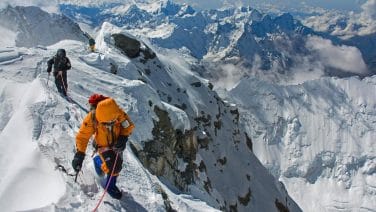
Is the Everest Base Camp trek hard? Yes, it is challenging. Most people find it strenuous. You need to be fit to trek 14 days in Nepal’s high mountains. Trails go up and down, often steep and rocky. The air thins as you go higher, making it harder to breathe. Every step commands effort, more so above 4,000 meters.
What makes the EBC trail hard? It starts easy, but then you face long climbs. Rocks, steps, and uneven ground test your legs. Some days, you walk six to eight hours. The trail takes you through forests, across rivers, and into Sagarmatha National Park. You find beauty everywhere, but the thin air makes each step a victory.
Training and Fitness Tips for Successful Trekking
How fit should you be for the trek? A good fitness level helps a lot. Start training months before. Mix cardio, strength, and hikes with a packed bag. The better your condition, the more you’ll enjoy the trek. Long walks are key. They ready your body for the daily treks.
What training works best? Focus on legs, lungs, and core. Climb stairs, hike local trails, and use incline on treadmills. Breathe deep during workouts to prepare for thin air. Include squats, lunges, and planks in your routine. Build endurance. Think of the journey as a marathon, not a sprint. You can’t rush in the mountains.
A trip to Everest Base Camp is a dream for many. The right prep makes it doable. Start improving your fitness early. It shapes your success on the trail. Remember, walking at altitude is unlike anywhere else. For more tips, consider expert advice on getting ready for this adventure.
What Should I Pack for My Nepalese Trekking Adventure?
Essential Gear for A Safe and Comfortable Trek
When you trek to Everest Base Camp, pack smart. Your gear must stand up to tough trails and shifting weather. You need sturdy boots that grip and don’t give you blisters. A warm jacket is vital as temps drop sharp at night. Pack layers like thermal shirts and fleece. They help on cold mornings and chilly evenings.
Take a hat and gloves. The sun can be fierce and cold winds bite. Your sleeping bag should be good for below freezing. Even guesthouse beds get cold up high. Don’t forget a tough daypack for snacks, water, and a first-aid kit. Sunglasses and sunscreen protect against strong UV rays. A headlamp guides your way if nights fall on the trail.
Think light but be ready for the rough. An extra set of clothes helps. So does gear for rain. A wet trekker is often an unhappy one. Remember, batteries drain fast in cold, so pack spares. A basic map and compass can boost your trail smarts. Keep snack bars and water purifiers close. You need energy and clean water to stay sharp.
A trekking pole helps on steep ups and downs. It saves knees and aids balance. Do your research or check out a guide like “What to Wear Trekking Nepal? A Complete Outfit Guide” for more.
Can I Rent Trekking Equipment in Kathmandu?
Yes, you can rent gear in Kathmandu. Many shops offer trekking poles, sleeping bags, and down jackets. It’s a good option if you want to travel light or forgot something at home. The prices are fair and you’ll find good quality. Plus, it’s a chance to get last-minute items.
Take time to pick the best shop. Look for well-kept gear and clear rental terms. Ask fellow trekkers for shop tips. They may know the best spots. Just make sure the gear fits and works well. You don’t want gear failing when you’re far from town.
Renting lets you try top gear without buying. It also helps local businesses. But, some gear is better owned than rented. Like good boots. They should fit like a glove for best comfort on trails. Renting boots can mean blisters, so buy those before you leave.
In the end, renting gear in Kathmandu is handy, but come prepared. Have key items from home. It makes the trek safer and more fun. Plus, it’s part of the adventure. Gear up, get ready, and take on Everest Base Camp with confidence.
How Can I Respect Local Cultures While Trekking in Nepal?
Embracing Sherpa Hospitality and Traditions
Meeting the Sherpa community in Nepal is a key part of the journey. They live in the mountains and have done so for generations. Shaking hands is common but use your right hand. When locals share their food, try it. They will like this a lot.
Your guide can share more about the Sherpa life. You will learn about their food, clothes, and homes. Get ready for many smiles and warm welcomes as you walk the trails. The Sherpa people are known worldwide for their skill and friendliness.
Remember, always ask before you take pictures. Most people will say yes, but it’s polite to ask first.
Do’s and Don’ts of Cultural Interaction on Himalayan Trails
While trekking, you will see and do many new things. Here are tips to respect the local ways. Bare in mind, the journey often includes visits to places like Tengboche Monastery. So, respect the rules like being quiet and taking your shoes off.
Try to learn and say simple words in Nepali. Like “Namaste” for hello. The locals will love that you try to speak their language.
Dress neatly. Cover your legs and arms, especially when you visit holy sites.
Don’t touch people’s heads. It’s not okay here. Also, don’t point with your feet. Feet are seen as unclean.
Always walk clockwise around religious sites. It’s a sign of respect.
In Nepal, people might seem shy at first. Give them time. Soon you may find you made a new friend.
The trek is not just about big mountains. It’s about sharing laughs and stories with the local people. With respect and openness, you can enjoy the rich culture that makes this trek special.

What Permits Do I Need for Trekking in Nepal?
Navigating the Procedures for Trek Permits
Trekking to Everest Base Camp? You need special permits. Without them, you can’t start your adventure. The government requires these to keep track of and manage tourists. It also helps protect local environments and support community funds.
First, get a TIMS card (Trekkers’ Information Management System). This keeps you safe. It tracks trekkers in case of emergency. You often get this card in Kathmandu or Pokhara.
Next, the Sagarmatha National Park Entry Permit. Why? Everest is in this park. You must pay to enter. Both your safety and park maintenance matter.
Last, the Khumbu Pasang Lhamu Rural Municipality Permit is a must. This newer permit supports the area you’ll be trekking through.
Haven’t got your permits yet? No worries! Most trek companies sort this out for you. They’ll include the permit prices in your trek costs. Make sure to check this when booking. It simplifies your trip and lets you focus on the journey ahead.
Remember, your trek cost also covers support staff. This includes guides and porters who make your trek possible. They know the trails, carry supplies, and share local stories.
Including Permit Fees in Your Trek Budget
When you plan for Everest Base Camp, put permit costs in your budget. How much are these permits? Prices vary. The TIMS card costs around $10-20. The park entry is about $30. The rural municipality permit is another $20. These fees can change, so always check the latest prices before you go.
Factoring in these fees is smart. It means no surprises later on. This way, you know exactly what your trek will cost from the start.
The Everest Base Camp trek cost includes more than permits. It’s meals, places to stay, and your flights to and from Lukla. Guides and porters are part of it, too. They are essential for a safe and enjoyable trek.
Good news: many trek packages bundle all these costs together. This can ease your mind, letting you immerse in Nepalese culture and stunning views without fretting over logistics.
Now, you’re clued into the permit process. Ready to step into your hiking boots? Start dreaming of those breathtaking Himalayan peaks welcoming you at the top. With the paperwork sorted, the adventure really begins. The mountains await.
Are There Ways to Ensure Ethical Trekking in Nepal?
Supporting Environmental Conservation Efforts
Yes, there are many ways to ensure ethical trekking in Nepal. One key way is to practice eco-friendly trekking. This means leaving no trash behind and using water carefully. It also means staying on marked trails to protect plant life.
You can also help the environment by using less plastic. Choose refillable water bottles and avoid disposable items. Local tea houses often offer safe, boiled water. By doing this, you cut down on waste in the area.
Another way is to be careful with energy use. Many lodges use solar power, so save energy when you can. Switch off lights, unplug devices, and take short showers. These small acts help reduce the carbon footprint of your journey.
Lastly, you can support projects that aim to clean up the trekking paths. Joining or donating to these efforts can make a big difference. By doing so, you keep the trails clean for everyone.
Choosing Responsible Trek Operators
When you pick a trek operator, choose one that values sustainable trekking. They should follow ethical standards and treat their staff well. Good operators provide fair wages and proper gear for their porters.
Ask about their practices before you book. Make sure they respect the local culture and environment. They should be able to tell you about their sustainability measures.
It’s also important to check if they offer eco-friendly options. Some may let you rent gear to reduce waste. Others may provide information on how to trek without harming the environment.
By choosing the right operator, you make your trek responsible and more rewarding. Not only do you get to explore, but you also do it in an ethical way. And you support the local community and protect the natural beauty of Nepal.
How Difficult Is the Everest Base Camp Trek?
Everest Base Camp trek difficulty can be pretty tough. You need to be fit to go. Each day, you hike for hours on rocky paths. Some days, you might go up and down a lot. High places could make you feel sick, so you stop in places to get used to the air. Big hills and thin air are the main tough parts.
Our trek takes about 14 days. We walk through beautiful places like Sagarmatha National Park and visit towns like Namche Bazaar and Tengboche Monastery. You’ll see huge mountains around you and learn about Sherpa people and their lives. High up, we trek to Kala Patthar and Nangkartshang Peak to see the best views.
99% of folks who do this trek say it’s worth it. They love the scenery and the culture. It’s not easy, but with the right training and gear, you’ll do fine. We go slow and stay in guesthouses along the way. We make sure you can enjoy each day even if it’s tough. Our guide helps you stay safe and teaches you about the area.
Starting from Kathmandu, we plan every step. Lukla is where we first head to from Kathmandu. Sometimes to avoid the busy airport, we go from a place called Manthali. Flights to Lukla give you great views of the Himalayas. In busy times, you can even take a helicopter straight to Lukla for an extra cost.
Your trek price covers your stay, food, guide, and porters. It also includes permits, flights to Lukla, travel on the ground, and taxes. You need to take care of your flight to Nepal, personal items, and your gear. Remember to bring extra money for tips and other things.
The weather or other things might change your plans. That’s why we say to have some extra days in your trip. Then, if there are delays, you won’t stress out. We start getting ready in Kathmandu. We stay in a hotel, meet folks going on the trip, and get our bags ready.
To prep for the trek, we suggest walks at home with some weight on your back. It’s a good idea to hike hills and do other fitness stuff. The more you prep, the more you’ll enjoy the trek. We walk through amazing forests, alongside the river Dudh Koshi, and stop at the Khumbu Glacier.
When you go on this trek to Everest Base Camp, you get high up—5,364 meters at the highest. You see big mountains like Ama Dablam, Lhotse, and Cho Oyu. It’s a long way, but once you get to the base camp and see Everest, you feel like you’re on top of the world.
The Everest Base Camp Trek is a big challenge. But if you’re ready and excited to trek, it’s a trip you’ll remember all your life. It’s both a look at nature’s best views and a dive into the rich Sherpa culture. You need to be healthy and committed, but once you’re there, it’s an adventure you’ll never forget.
Conclusion
In this post, we walked through when to trek in Nepal, hitting Everest Base Camp at the perfect time. We tackled the tough parts of the hike and how to get fit for the journey. Packing right keeps you safe and cozy on the trails, and we covered that too. Respecting local culture is key; we showed you how. Don’t forget the right permits—your ticket to the mountains. Plus, we touched on trekking without harm to nature. Remember, the right time, gear, respect, and ethics turn a great trek into the adventure of a lifetime. Happy trails!