TL;DR:
- Prepare for Everest Base Camp (EBC) trek elevation by hiking locally, optimizing nutrition, and acclimatizing, especially at Namche Bazaar.
- Must-see landmarks: Lukla, Namche Bazaar, Tengboche Monastery, Khumbu Glacier, and Kala Patthar for prime Everest views.
- Use detailed trek maps to identify paths, elevations, rest spots, and to plan each trek day effectively.
- Maps come in various formats; choose one for clarity and ease of use, with a comprehensible legend.
- A standard roundtrip on the Classic Trek route is about 106 km with acclimatization days and time for covering essential milestones; not feasible in 10 days.
- Daily EBC trek stretches range from 8 to 15 km; difficulty increases as elevation does.
- The right EBC trek map is crucial for wayfinding, understanding terrain, and appreciating local culture and geography; not just an extra but a necessity.
- Maps help estimate trek costs and itineraries, indicating where to expect lodges, meal costs, and potential additional expenses for different routes.
- For details on routes, cost comparison between EBC and Annapurna treks, or trekking kit lists, Exotic Mountains’ detailed guide assists trekkers in planning their journey.
Ever wondered if you need a map to conquer Everest Base Camp? You’re not alone! In this guide, we reveal secrets behind the squiggly lines and symbols leading you to the roof of the world. Get ready to discover the must-see spots and prepare for the climb of your life. Let’s dive in and learn what makes a trek map your ultimate trail buddy!
Table of Contents
What Are the Must-See Highlights on the Everest Base Camp Trek Route?
How Can I Prepare for the Elevation Gain During the Trek?
Get ready, the trek to Everest Base Camp is no small feat. You’ll climb high, breathe thin air, and face chilly winds. To tackle this, you must prep your body and mind. Start by hiking local hills or stairs. Make these hikes longer as the trek gets closer. This trains your legs for the daily climbs and helps your lungs adjust to less air.
Eat well, rest, and drink lots of water. On the trek, go slow and take breaks. Listen to your body and know when to pause. A key rest spot is Namche Bazaar. Here, spend a day to help your body get used to the height. This makes a big difference in how well you can cope with the climb.
What Key Landmarks Should I Look Out For on the EBC Trek Map?
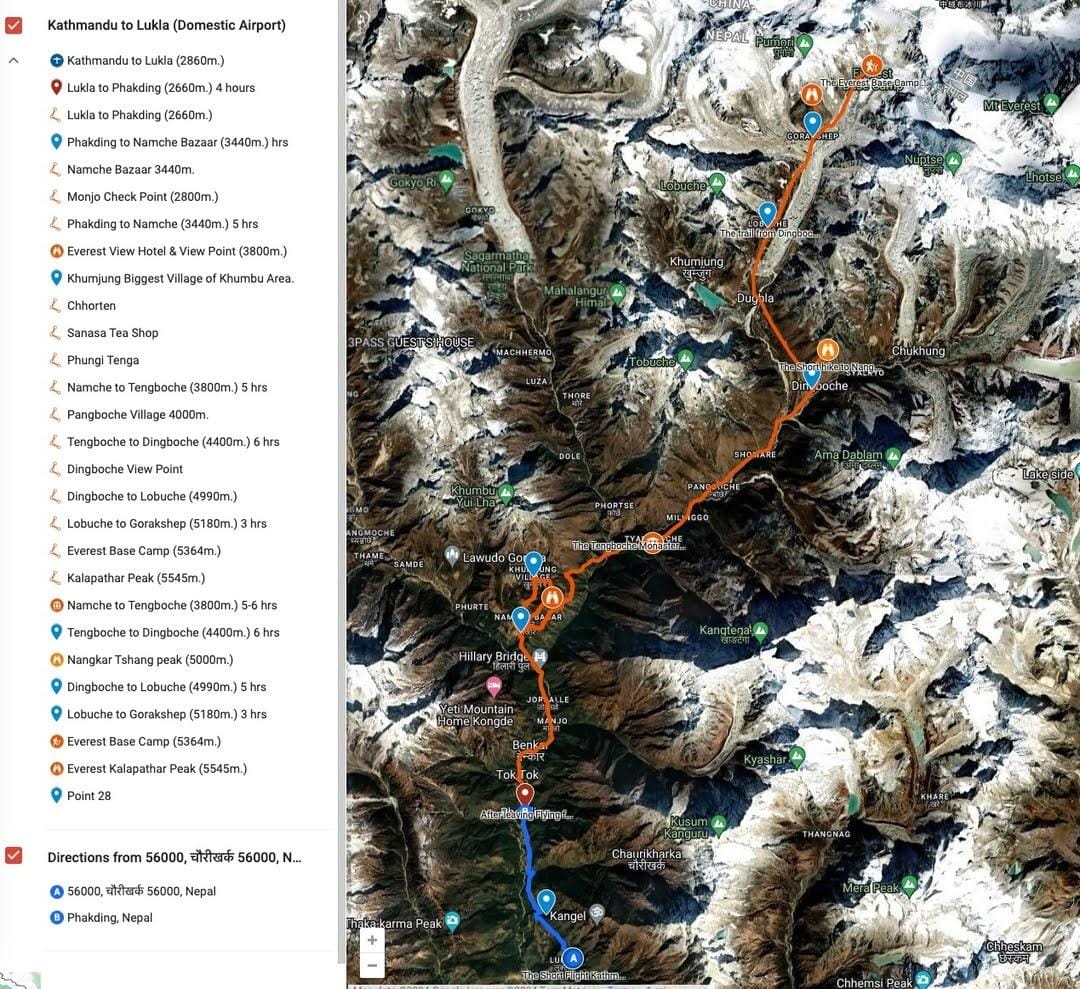
The trek has some sights you can’t miss. Load your map and find these on your way. First is Lukla – where most treks begin. Then, spot Namche Bazaar, the Sherpa hub, for a key rest day. From there, another star is Tengboche Monastery, sitting high with mountain views. Soon, you’ll see the Khumbu Glacier edge, leading to Everest Base Camp. There, look for Kala Patthar. It’s the spot for the best Everest shots.
Each landmark means a bit more climbing, a bit more challenge. But also, more amazing views. They are the signs that you’re moving closer to the base of the mighty Everest.
Which Detailed Maps Offer the Best Views of the Everest Trail?
When choosing a map, detail matters for the Everest trail. Detailed maps show paths, elevations, and rest spots. They point out where you can find water and help you plan each trek day. Gaze at contour lines for rises and dips. This shows you when to expect a tough climb or a needed rest downhill.
For the best views, seek out maps with clear labels for peaks and valleys. A good Everest Base Camp trek map shows you the high points like Kala Patthar. This helps you plan where to stop and enjoy the scene.
Remember, a good map is like a trusty friend on the trail. It guides you, keeps you on the right path, and shows you the wonders of the Everest region each step of the way.
How Do the Different EBC Trek Maps Compare?
What Are the Varieties of EBC Trek Maps Available?
You have many map options for your Everest Base Camp trek. Your choice depends on your trek route. There are paper maps, GPS maps, and phone apps. Some show you just the paths. Others give you details about rest spots and water sources. Each map has its own way of showing this info. Look for the one that is easy to read and makes sense to you.
How Do I Interpret Different Legends on EBC Trek Maps?
Legends on a map tell you what symbols mean. They can show trails, altitudes, and lodges. They can even point out dangers like steep edges. To use a map well, know how to read its legend. It can help make your trek safe and fun. Not every map has the same symbols. Pick a map with a legend you can understand with ease.
Where to Find the Best Comparisons Between Different EBC Maps?
Still feeling lost about which map to choose? Head over to exoticmountains for tips. They have info on the best Everest Base Camp maps. They compare different maps for you. They help you see which map matches the trek you plan to take. It’s like having a guide before you even start your adventure.
Remember, every step on your journey to Everest matters. A good map shows you where to go and what to expect along the way. It’s more than just a piece of paper; it’s a key part of your trekking kit. Find a map that talks to you. Get one that will be your trusty guide on the trail to Everest Base Camp.
What Should I Know About the Distance and Duration of the EBC Trek?
What are the Distance Milestones Along the EBC Trek?
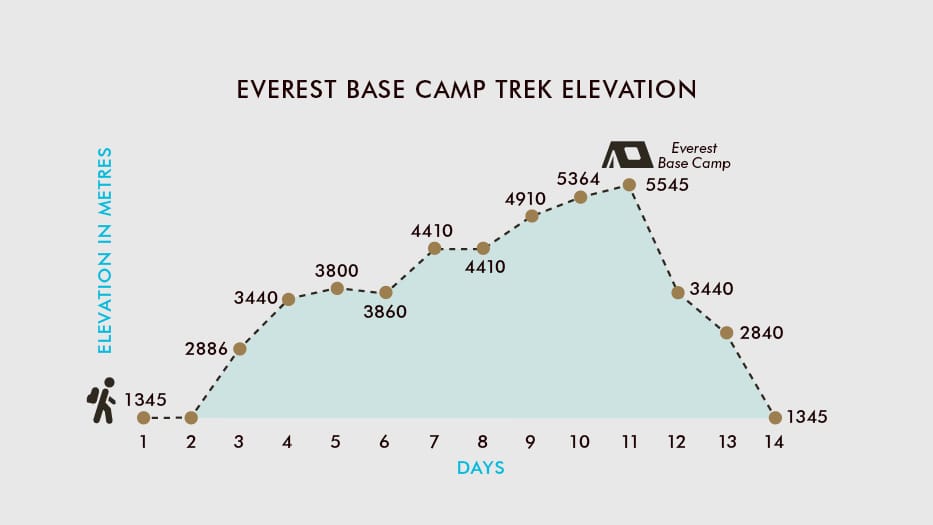
The distance covered during the Everest Base Camp trek varies based on which route you pick. The Classic Trek route measures roughly 106 km roundtrip. This includes extra hikes like the one in Namche Bazaar and the climb up Kala Patthar. The trek from Lukla to Everest Base Camp itself is only a piece of the puzzle. Along the way, you will pass many milestones. These include Phakding, Namche Bazaar, Tengboche, Dingboche, Lobuche, and Gorak Shep before reaching Base Camp. Each spot is a chance to rest and soak in the vistas.
Can I Complete the EBC Trek in 10 Days?
Simply put, no. Everest Base Camp trek itineraries are often not as short as 10 days. Even for the fittest trekkers, it is too tight. Acclimatization to avoid altitude sickness is important. Most people need at least 12 days to hike to Everest Base Camp and back. This does not count travel to and from Kathmandu or the rest days needed. It’s a test of your endurance and will. Rushing could mean missing the stunning views and unique Sherpa culture.
For the 10 day Everest Base Camp trek itinerary, which is not a common practice, you won’t find the necessary acclimatization days. These are crucial to adjust to the high altitude and stay safe.
What Are the Typical Daily Distances Between Landmarks?
Each day, expect to trek for five to eight hours over uneven trails. You start small with short treks, like from Lukla to Phakding of around 8 km. But as days progress, so do the distances. From Namche Bazaar to Tengboche, you cover about 10 km. Higher up, from Lobuche to Gorak Shep and onto Everest Base Camp, you’ll tackle around 15 km. These stages are tougher due to thin air above 5,000 meters. You might only manage a slow pace upwards. There’s no rush though. Just take it step by step and allow yourself to enjoy every moment.
Remember, while trekking, embrace the journey, not just the destination. The Everest Base Camp trek is about plunging into the heart of the Himalayas and emerging with tales of not just peaks but also your inner strength. So, lace up your boots and map out your adventure with confidence, and always make sure to check a detailed itinerary for the most current and comprehensive guidance for your journey.
How Can I Select the Ideal Everest Base Camp Trek Map for My Journey?
Why is the Right EBC Trek Map Essential for a Successful Trek?
The right map can make or break your trek. It’s your guide, your plan, and your safety net all in one. With four main routes to the Everest Base Camp, each offering unique experiences, the map you choose has to give the clearest path. For example, the Classic Trek route is a must for many. It includes an extra hike in Namche Bazaar and a climb up Kala Patthar. Here you face the best view of Everest. Choose a map that shows these spots well. Your map is your key to enjoying the local wonders of glaciers, forests, and Sherpa culture.
Which EBC Trek Maps are Best Suited for Beginners?
Beginners should look for maps that display clear trail marks and are easy to read. Maps should show safe paths, rest points, and landmarks. The classic route with a helicopter return is less tough and still a great adventure. This route is often marked clearly on beginner maps.
What Are the Expert Tips for Choosing EBC Trek Maps?
Experts say to look for maps that offer detail. They should show elevation changes, the distance between points, and safe routes. As the trek can take days, pick maps that help with planning stops for rest and food. Keep in mind, no climb gear is needed, but sturdy boots and good fitness are key. Choose maps that help plan for these needs. Maps that include the Namche Bazaar acclimatization stop are vital. This helps your body get used to high places. Study your map’s legend. It will tell you what each symbol and color means. This is how you know what’s ahead on your trek.
Maps are not just extras; they are must-haves for your Everest Base Camp journey. The right map leads to a successful and memorable trek. Pick one that fits your skill level and the adventure you seek. With these tips, you will find a map that guides you well on this amazing trip.
Can the EBC Trek Map Help Estimate Trek Costs and Itineraries?
How Does the EBC Trek Map Facilitate Budget Planning?
The map shows you where you’ll sleep and eat. This helps you budget for lodges and food.
With an Everest Base Camp trek map, you see the stops along the trail. This includes lodges, teahouses, and meal points. Planning gets easier. You can estimate sleeping costs and meal prices at each stop. It’s like a guide for your pocket.
What Costs Can Be Anticipated With Different EBC Trek Packages?
Each route has unique costs. The map helps you figure these out.
Different routes mean different costs. With the EBC trek map, you spot the added loops or sections exclusive to certain packages. This shows where you might pay extra for special sights, longer stays, or tougher paths. Gear needs can change with route choice. This impacts your spending too.
How to Compare Annapurna and Everest Base Camp Trek Costs Using Maps?
Maps show the length and stops of each trek. Use this for cost comparison.
Let’s talk Annapurna versus Everest costs. Maps for both show different lengths and difficulty. This affects how many days you trek and spend on supplies. With a map, you see the full picture: distances, possible rest days, and spots that need more gear. Using maps to compare these details gives you a clear idea of which trek fits your budget best.
How Can a Trek Map Enhance Understanding of Everest Region’s Geography?
What Geographical Features Are Illustrated in EBC Trek Maps?
Everest Base Camp trek maps show more than paths. They highlight peaks, glaciers, and forests. They mark spots like villages and rest sites too. This helps you see how the land shifts.
How Can a Trekking Map Enhance My Experience of the Everest Region?
A map eases your journey in the Everest region. It shows you where you are and what’s next. It helps you pace your hike. And it lets you see all there is to see, like hidden gems not all trekkers find. You can plan ahead and enjoy the Sherpa culture around you.
Where to Find the Most Detailed Regional Trekking Maps for the EBC Area?
You can find detailed maps online or buy them in Kathmandu or Namche Bazaar. A good map shares the Everest region’s complex layout. It makes your hike safer and more fun. It’s a must-have to truly know the land you’re trekking.
Everest Base Camp Trek Map: Essential or Extra?
You set your sights on the mighty Mount Everest, a dream for many. But a question pops up: Is the Everest Base Camp trek map essential or just extra? The answer is clear and short: it’s essential. Now, let’s dive into why.
Think of the Everest Base Camp trek map as your trusted friend. This buddy will guide you through twisty paths, show you where to chill, and keep you on track. There are four main maps for the journey, each with its own charm. Most trekkers pick the classic route. It’s a round trip of about 106 km. That’s a lot of ground to cover! This path includes a stop at Namche Bazaar for rest and gear checks. You also get to climb Kala Patthar, the spot for the best Everest selfie.
If you’re feeling more daring, there’s the EBC with Gokyo Lakes path. It’s quieter and offers views of stunning lakes and peaks. It adds some days to your trip, but wow, is it worth it! The EBC and Three Passes is for true adventurers. It’s tough, with three high passes to cross. But with those come the best views and a real sense of the wild.
Less time? Consider EBC with a helicopter ride back. This slices your trek time but not the thrill. You’ll see the mountains from up high, a memory that will stick for life.
The trek is no walk in the park. You’ll hike for five to eight hours daily on uneven terrain. It gets tougher as the air thins. Listen to your body for signs like headaches or trouble sleeping. You don’t need special climbing skills, just good boots and maybe crampons for the snowy bits.
The classic path with a helicopter back is good for most people. It’s easier than Gokyo Lakes or the Three Passes. Always prep a lot and pack the right gear. Everest won’t go easy on you just because you forgot your warm socks! For a full gear list, check the blog on ‘Everest Base Camp packing list’.
In short, an Everest Base Camp trek map is not an extra; it’s your must-have guide and keepsake from an epic adventure. Choose the right path, pack smart, and get ready to make memories that will last as long as Mount Everest stands.
Conclusion
We’ve explored how essential the right Everest Base Camp trek map is for an epic adventure. From preparing for elevation gains to choosing the best map for beginners, every detail counts on this journey. Remember, a good map guides you, helps plan costs, and gives insight into the beautiful geography of Everest. Stay informed, prepared, and excited. Your adventure awaits, just one map away. Adventure is out there—grab your map and go!