
TL;DR:
- Optimal trekking times for Everest Base Camp are from March to May and October to November due to favorable weather conditions.
- Weather impacts include blooming flowers and warm days in spring; clear skies and best mountain views in fall; summer rains creating slippery paths; and snow in winter making trails challenging.
- Off-season trekking provides fewer crowds, lower costs, but prepare for harsher weather and shorter days.
- To prepare, pack warm clothes, sturdy boots, and meds; train with long hikes and gym workouts; and learn about coping with high altitude conditions.
- Acclimatization is crucial to adjust to lower oxygen levels, through strategies like “climb high, sleep low” and recognizing symptoms of altitude sickness.
- Respect Sherpa culture by using proper greetings, respecting customs, and visiting cultural sights such as Tengboche Monastery and prayer wheels.
- Safety on the EBC trek involves hiring knowledgeable guides, listening to their advice, packing properly, staying hydrated, and understanding altitude sickness.
- Practice eco-friendly trekking by sticking to designated trails, managing waste appropriately, and conserving water.
- Expect local foods such as lentils and rice in tea houses with options for dietary needs, and accommodations in tea houses with basic rooms and shared bathrooms.
Ready to conquer Everest Base Camp in 2025? Find out what’s fresh on the EBC trail! We’ll dive into the best time to trek for awe-inspiring views while dodging the crowds. Uncover tricks for peak fitness prep, and why packing smart is your key to success. Learn must-know culture insights, and how to trek without a footprint. Be trek-ready with our latest guide – all here to make your Everest journey epic!
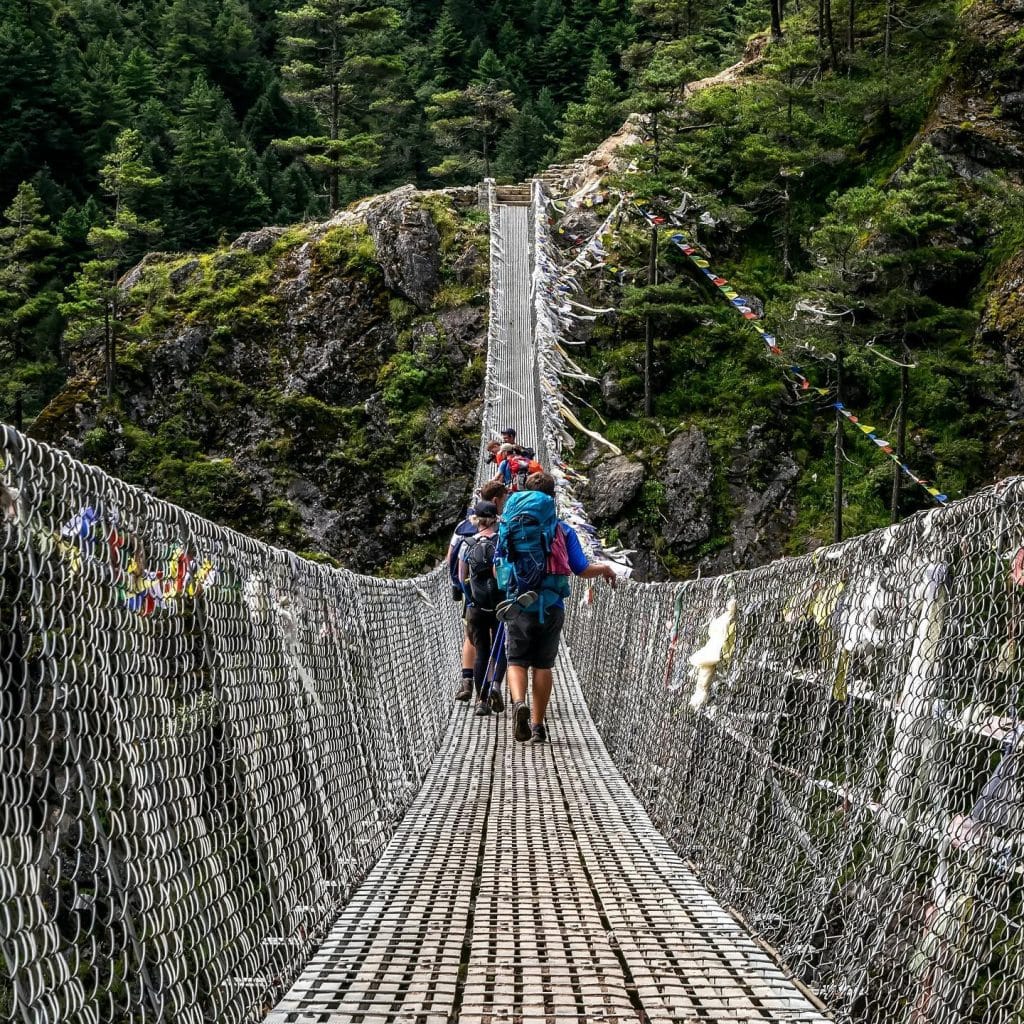
Table of Contents
What Is the Best Time to Trek to Everest Base Camp?
The best time for trekking is from March to May and October to November. These months see steady weather, fewer clouds, and moderate temperatures. Let me tell you more.
When does the Everest Base Camp trek season peak and why?
The trek season peaks in spring (March to May) and fall (October to November). These seasons offer clear skies and good trails, perfect for stunning views. This makes climbing safer and more enjoyable. Learn about the best time to trek.
How does weather impact the trekking experience at different times of the year?
Weather greatly affects your trek. In spring, flowers bloom with warm days and cool nights. In fall, clear skies give the best mountain views. Summer brings rain and slippery paths. Winter is very cold, with snow making some paths hard to use.
What are the perks of trekking during the off-season?
Trekking off-season can mean fewer crowds and lower costs. You’ll get more time with locals and better deals at tea houses. Still, prepare for cold or wet weather and shorter days. It’s a trade-off – solitude for comfort.
Remember, a safe trek also needs flexible plans. Weather in the Himalayas can change fast, so adding extra travel days is wise. This helps if flights get delayed or you need more rest. With good gear and a tough mind, any season can be your best time for trekking to Everest Base Camp.
How Do I Prepare for the Everest Base Camp Trek?
You can’t just wake up one day, grab a bag, and head to Everest Base Camp. Real prep takes work. Wonder what to pack? Put warm clothes, solid boots, gloves, hats, and shades on your Everest packing list. Your list must have 10+ items, some for cold, some for rain, and don’t forget your meds!
“How should I train to meet the demands of high-altitude trekking?” This is key. Start with hikes to bump up your fitness. Aim for hikes that last hours, not minutes. You need to walk up hills a lot. Trekking is hard work, and height makes it tougher. Your legs and lungs must be ready.
The fitter you are, the better time you’ll have. The trek needs you to walk far, for many days. A hike that feels fine at sea level can wind you at 18,000 feet. Hit the gym too. You’ll want strong legs and core to handle the hills and rocky trails. To train right, mix long walks with gym work.
Now, your body isn’t the only thing to prep. You need to know about high up air. It’s thin. You’ll huff and puff more. This is why you train. But it’s more than just catching your breath. At high altitudes, air can make you sick. To dodge this, hike high, then sleep low. It helps your body get used to less air.
Remember, your gear and shape must be on point. Hit the trial, gear up, and learn about high-altitude hacks. Do this, and you’ll nail the Everest Base Camp trek prep.
Why Is Acclimatization Key for Everest Trekkers?
You might wonder, “Why is acclimatization so important on Everest?” Simply, it helps your body adjust to less oxygen. High up there, the air is thin. Without acclimatization, you could get sick. Now, let’s dig deeper.
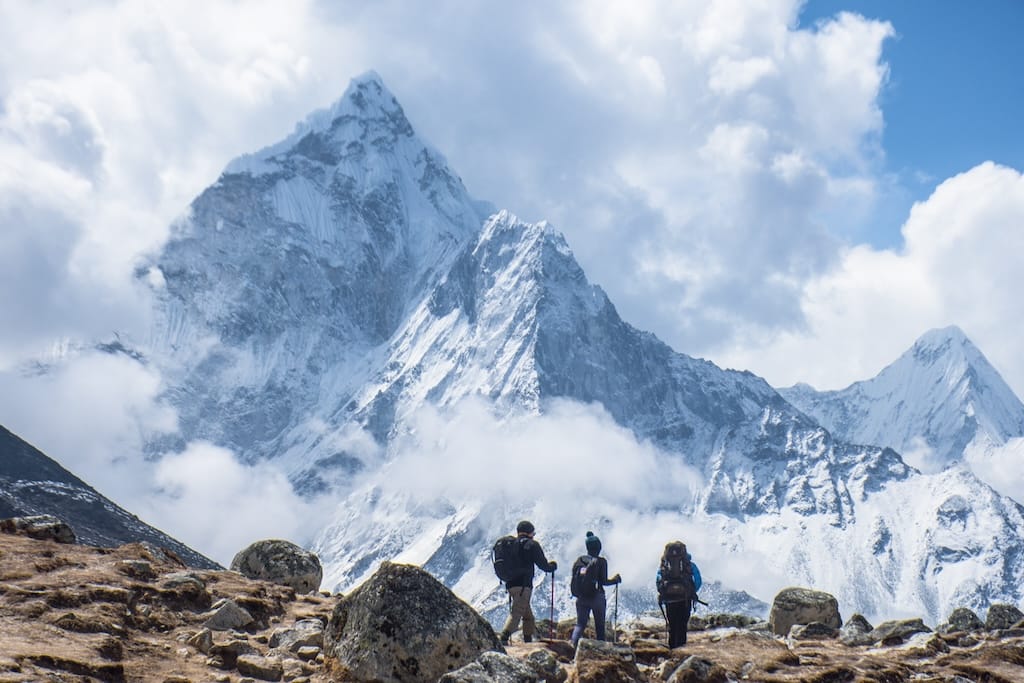
Strategies for acclimatization include climbing high during the day and sleeping low at night. The idea is to let your body experience higher altitudes but not to overwhelm it with a sudden change. This gradual process helps reduce the risk of getting sick from the altitude. A tip I can’t stress enough is to take it slow. Rushing can harm your body and spoil your trek. Hiking slowly not only saves your energy but also allows your body time to get used to less oxygen.
Knowing the signs of altitude sickness is key. Look out for headaches, dizziness, and trouble sleeping. If you feel these, take action. Rest, drink water, and if things don’t get better, it’s best to head to lower ground. Ignoring these can lead to severe health issues.
Taking acclimatization seriously has long-term perks for your health. When you acclimate well, you enjoy the trek more and keep a clear head. Plus, you’re less likely to face tough situations that can cut your adventure short. I’ve seen trekkers who acclimatize properly have a smoother trek and soak in the beauty of the trails, like the forests of rhododendron and the peak of Kalapatthar.
Remember, health is wealth, especially at these heights. Check tips for acclimatization from your guide. They can make or break your Everest Base Camp experience in 2025. Stay safe, take it slow, and your journey to Everest will be one to remember for life!
What Should I Know About Sherpa Culture Before My Trek?
The Sherpa people are the heart of the Everest region. Their culture and way of life will shape your journey. Learning about their traditions is key. Their customs add depth to your adventure.
How do Sherpa traditions enhance the trekking experience?
Sherpa traditions give soul to your journey. They share tales, beliefs, and warmth.
During your trek, the kindness of the Sherpa people stands out. They invite you into their homes and lives. You hear stories from the mountains and learn about their spiritual ways.
What cultural etiquette should I be aware of while visiting Sherpa communities?
Showing respect is vital in Sherpa villages. Here are key points:
- Always greet with “Namaste” and a smile.
- Take off your shoes before going into a home.
- Don’t touch people’s heads or point your feet at others.
- Ask before taking photos, especially of people.
What are some can’t-miss cultural sights on the EBC trail?
Keep your eyes open for prayer wheels, flags, and monasteries. Here are the must-sees:
- Tengboche Monastery: A spiritual hub ringing with chanting.
- Stupas and prayer wheels: Spin them as you walk for good karma.
- Mani stones: These carved rocks guide your path with mantras.
In Namche Bazaar, you dive into local life. The Saturday market brims with goods and gatherings. For views, climb to Kalapatthar. It unveils a sunrise over Everest like no other.
Sherpa culture creates bonds beyond words. It turns a tough trek into a rich tale to tell. From their warm tea to their mountain songs, you gain more than just steps towards Everest Base Camp. You gain stories for a lifetime.
How Can I Ensure Safety and Respect the Environment on My Trek?
In 2025, the rules of Everest Base Camp (EBC) trek safety and eco-care keep getting tighter. That’s good! To stay safe and green, take a peek at what you need to know.
What are the key safety measures to consider on the EBC trek? It’s vital to have a guide who knows the path, weather, and how to handle wild changes. Always listen to your guide. Pack right, with gear for cold and rain. Let folks know your travel plan. Drink lots of water and watch for altitude sickness.
As for safety back-ups, you can find quick help if sick or hurt. Places en route have first-aid kits, and there are ways to call for a heli lift if you need it fast. Rely on your guide to know these things.
How do I practice eco-friendly trekking and leave no trace in the Himalayas? Simple steps can mean loads. Like, stick to the trails and camps set up just for trekkers. This helps nature stay unharmed. Keep your trash in your pack until you can toss it right, and use water with care – the less, the better. And about those waste spots along the way? They’re there for a reason – use them!
The cool thing is, when you trek right, you help the big and wild beauty of the Everest region stay that way for years to come. That means future trekkers can get the same awe and joy you did. Plus, you aid the locals who call this place home, making sure their land stays safe and sound. It’s a win all around!
So there you have it! Keep these points in mind for a trip that’s safe for you and kind to the Earth.
What Can I Expect in Terms of Food and Accommodation?
On the Everest Base Camp trek, you’ll taste local flavors and stay in cozy lodgings. Tea houses serve meals like lentils, rice, pasta, and soups. Yes, they can handle dietary needs if you ask ahead. For sleep, you get rooms with beds and shared baths in tea houses.
Your journey to Everest’s base is more than a hike; it’s a dive into the culture through every meal and night’s rest. Picture this: After a day’s trek, as the sun dips behind snowy peaks, you’re greeted by the warm smile of a tea house owner. They lead you to a simple, yet inviting room with wooden beds and soft blankets. The air is filled with a mix of spices and firewood smoke, promising a hearty meal to refuel your body after the trek.
The meals at the tea houses are a comforting blend of Nepali staples and familiar international dishes. You’ll often find dal bhat, a traditional meal of lentils and rice, which is a trekker’s energy booster. If you’re not feeling adventurous, pasta, potato dishes, and soups are common backups that provide the carbohydrates you need for the trail.
If you walk into a tea house with special eating needs, don’t worry. Just talk to the staff when you book or arrive. Most places are used to trekkers with unique diets, like vegetarian or gluten-free, and they’ll do their best to cater to you. However, choices may be limited as you go higher, and the cost can rise for special requests.
Let’s talk sleep. Each night, you’ll tuck yourself into a tea house room shared with fellow trekkers or your travel pals. Rooms are basic – think a couple of beds with mattresses, pillows, and blankets. Toilets and washrooms are usually shared and located down the hall. Remember the chill of the mountains creeps in at night, so extra layers or a sleeping bag are a wise idea for a proper night’s rest.
As you’re bonding over momo-making lessons in a family-run tea house or staring up at a canvas of a billion stars from the doorstep of your room, it becomes clear that this trek is as much about the Nepali hospitality as it is about the stunning landscapes. These homey touches at the end of a hard day’s trek make the journey just as memorable as the destination.
So, food and sleep might not be as you’re used to at home, but they are key threads in the beautiful tapestry of the Everest Base Camp experience. Stay open to new tastes, stay cozy in your nest, and each day, you’ll wake ready for the next leg of this unforgettable adventure.
Conclusion
We covered when to trek, how to prep, and staying safe on Everest’s trails. Take these tips, respect the mountains, and your trek will be a great one. Remember, blending in with nature and Sherpa culture makes the journey more than just a climb. It becomes a life story you’ll always share.
Ready to make your dream trek a reality? Join Exotic Mountains for our exclusive 2025 Everest Base Camp trek!
With our personalized support and expert guidance, your adventure will be seamless and unforgettable. From the first step to the final view of Everest, we’ll be there every step of the way to ensure your safety, comfort, and success. Don’t miss this chance to trek with seasoned professionals who combine firsthand local expertise with unmatched hospitality.
Book your spot today and let’s conquer Everest Base Camp together in 2025!