TL;DR:
- Consider your fitness level and interest: Easy treks like Nagarkot suit beginners; seasoned hikers may prefer tougher routes like Annapurna Circuit.
- Best trekking months in Nepal: March to May (spring) and September to November (autumn) for optimal weather.
- Acclimatization is crucial for high altitude treks to avoid sickness, with planned rest days being essential above 8,000 feet.
- Cultural experiences: Treks like Langtang Valley and Annapurna Circuit offer rich Tibetan culture and local interactions.
- Respect etiquette: Greet with “Namaste,” remove shoes indoors, and follow local customs for a respectful experience.
- Unique flora and fauna vary by trek, with Annapurna known for pheasants and blue sheep, and Langtang for its rhododendrons.
- Budget for treks ranges from hundreds to thousands of dollars, including guides, permits, food, and lodging.
- Hiring a guide is advised for safety, cultural insights, and emergency aid.
- Safe and sustainable trekking: Use marked trails, manage waste properly, and protect the natural environment.
- Permits are required, varying by trek; tourist visas are available on arrival; ensure you have emergency evacuation insurance.
- Choose a trek that aligns with your goals, timing, fitness level, budget, and desired experiences.
Ready to trek Nepal’s mighty Himalayas? Know this: not all trails match all trekkers. Your dream hike awaits, but how do you pick? Let’s dive in and match you to your perfect Nepalese adventure. Get set for a journey that fits your spirit and skill!
Table of Contents
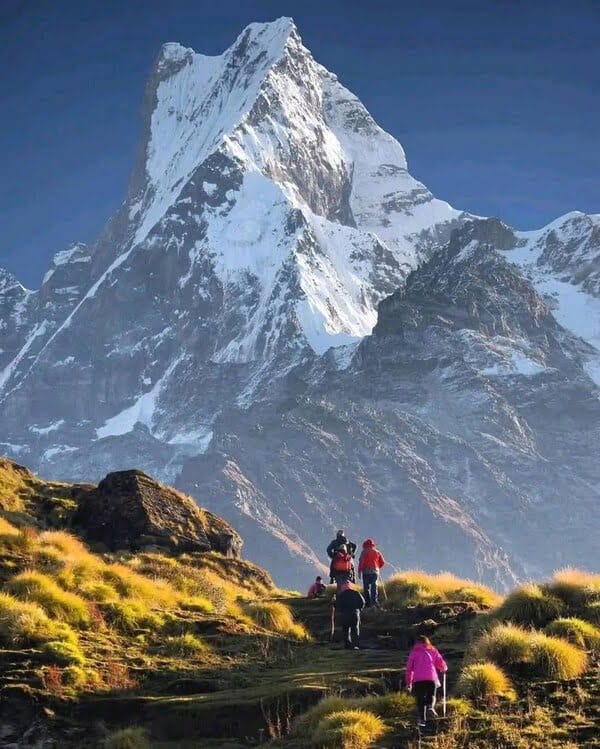
What Factors Should I Consider Before Selecting a Trek in Nepal?
How Does the Difficulty Level of Nepalese Treks Vary?
To choose the right trek in Nepal, consider the trek’s difficulty level. Nepal treks range from easy walks to tough climbs. First, decide if you want light, short walks or a challenging climb. For instance, I can stroll through the hills of Nagarkot or push my limits on the Annapurna Circuit. Young or less active trekkers often enjoy gentler routes. More seasoned hikers may seek out treks that ascend to higher, steeper paths. When picking a route, think about your fitness and what thrills you most.
Be sure to match your physical abilities with the trek’s demands. This matters for your safety and enjoyment.
What Are the Best Months for Trekking in Nepal?
The best months for trekking in Nepal are the spring and autumn. These seasons offer clear skies and good weather. In spring, which is March to May, trails pass through blooming flowers and lush greenery. As for autumn, from September to November, you get clear views and stable weather. Pack right for these times. This means warm clothes for cool nights and breathable gear for daytime hikes.
What Should I Know About Acclimatization to Altitude?
High treks demand acclimatization to avoid getting sick. Your body needs time to get used to less oxygen at higher elevations. Take rest days to adapt, especially above 8,000 feet. It helps to climb slowly and stay hydrated. This practice can make or break your trekking experience. Some trails, like those around Everest Base Camp, include planned acclimatization days. This helps your body adjust, keeping you safe and well. Remember, safety over speed always wins in the high mountains.
Which Treks in Nepal Offer the Most Authentic Cultural Experiences?
When you’re looking to dive deep into the rich traditions and lives of local folks in Nepal, some treks rise above the rest. They weave through communities where you can share in the daily rhythms and witness cultural ceremonies firsthand.
What Can I Expect From Cultural Treks Like the Langtang Valley or Annapurna Circuit?
In treks such as the Langtang Valley and the Annapurna Circuit, expect a strong presence of local Tibetan culture. These regions are brimming with colorful prayer flags and monasteries. The Langtang trek, in particular, runs through areas that hold deeply rooted Tibetan traditions. The Annapurna Circuit brings you close to diverse ethnic groups, each with their unique customs.
How Can I Respect Cultural Etiquette While Trekking in Nepal?
Respecting cultural etiquette in Nepal means greeting with a “Namaste,” taking shoes off before entering a home, and eating with your right hand. It means not touching people’s heads or pointing the soles of your feet at anyone. Always be kind and do what locals do, it shows respect.
What Unique Flora and Fauna Might I Encounter on Different Treks?
Depending on the trek you choose, you’re in for a treat with Himalayan flora and fauna. The Annapurna area is home to birds like pheasants and animals such as blue sheep. In Langtang, you might see the national flower, the rhododendron, bloom in vibrant colors.
Remember, each trek offers a window into the soul of Nepal, from city sights to mountain heights. Choose one, and you pick a path not just through nature, but also through the heartbeat of local life.
How Do I Prepare for High Altitude and Remote Treks in Nepal?
Is the Everest Base Camp Trek Right for My Fitness Level?
Yes, if you train well and are in good shape. The Everest Base Camp trek is long and goes high up. It’s important to check if you can handle walks for many hours and adjust to less air. People not used to high places or long walks should train before they try this. Start with smaller hills and work up to harder climbs. Also, include exercises like running or biking to build up your stamina.
What Preparations Are Essential for the Manaslu Circuit Trek?
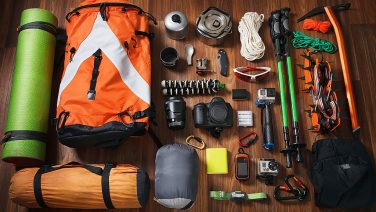
You must be ready for rough trails and changes in weather. Have good gear like warm clothes, a sleeping bag, and good boots. Learn about the place and the route. Knowing what to expect can help you a lot. Be ready for rests to help your body adjust to less air. And, don’t trek alone; get someone who knows the Manaslu Circuit to guide you.
How Do I Assess My Physical Fitness Before a High Altitude Trek?
Check how well you can handle long walks and carrying a pack. Go on hikes that get harder over time. This shows if you can deal with the stress of a hard trek. See a doctor to make sure it’s safe for you to go to high places. Also, look at how you handle cold weather, as being too cold can make a trek harmful.
In Nepal, the tale of every trail differs. Whether you aim for the Everest Base Camp trek or the lesser-trod paths of the Manaslu Circuit, the demands are high. People come to this land for its sky-touching peaks and the call of the wild unknown. In the shadow of these giants, your spirit finds both a challenge and peace.
Getting fit for these treks is no small feat. Physical fitness for trekking is vital. You’re up against thin air, tough paths, and loaded packs. And sure, those online tips are handy, but real prep beats theory any day. Test your lungs; hike those local slopes! Master your breaths, and soon, you’ll be pals with Nepal’s heights.
Remember, your heart’s aim is as crucial as your body’s strength. Why do you trek? Splendid snow peaks, wild creatures, or bright prayer flags dancing in the wind? Blocking out days on your calendar, tying up your boot laces, choosing between tea houses or tents—all start with your trek goal. Keep that goal clear, and the mountains will guide you.
For newbies, Everest Base Camp might seem a dare too steep. Worry not! There’s a trek for all, from feather-light walks to the mightiest climbs. Treks to Everest brim with tales of triumph and woe. So measure your might with care. Rushing leads to aches, or worse, a chopper ride back.
As for remote treks like Manaslu, thrill meets solitude there. Of all the wonders in Nepal, this one’s less known but no less grand. Here, local guides become your North Star. Their know-how, a treasure beyond gold. Trust in them, for they walk you through heaven’s gates safe and sound.
But can bodies tame these wilds? Assess your might well before you face high altitudes. Heed your heart’s voice and touch base with a medic. This isn’t just a trip; it’s a journey that tests your every sinew and soul fiber.
In Nepal’s trekking textbook, the chapters of joy and awe are yours to write. But pen them with care. Read those who walked before you, their wins and their woes. They hold the map to your highland fling. Know your heart, know your body, plan smart, and the pathway to the clouds is open.
What Are the Logistics of Trekking in Nepal Regarding Costs and Guides?
How Much Should I Budget for a Trek in the Nepalese Mountains?
Prepare to spend from a few hundred to several thousand US dollars. Your budget for trekking in Nepal will vary widely based on the trek you choose, travel style, and the duration of your stay. A short, local trek could cost only a few hundred dollars. But a longer trek could need more for guides, permits, food, and lodging.
Most costs will cover your basic needs like food, stay, and travel. For a comfy trip, set aside cash for extras like hot showers and better rooms. Also, don’t forget a fund for sudden needs or accidents.
Should I Hire a Guide for My Trek in Nepal, and Why?
Yes, it’s wise to hire a guide. They ensure safety and enrich your trekking experience. A guide helps with directions, language, and culture. They know the trails, weather, and best rest spots. Also, guides can help during emergencies. With a guide, you’ll engage more with local people, places, and customs. This adds a layer of depth to your trek that alone you might miss.
Is It Safe to Go Solo Trekking in Nepal?
Solo trekking can be safe but comes with challenges. You must know the trail, weather, and local customs. Solo trekkers face risks like getting lost or falling ill without help. When alone, there’s no one to assist in emergencies. It’s safer to go with a guide or group. If solo is your style, pick popular trails with plenty of fellow trekkers and tea houses. Always let someone know your route and check in regularly.
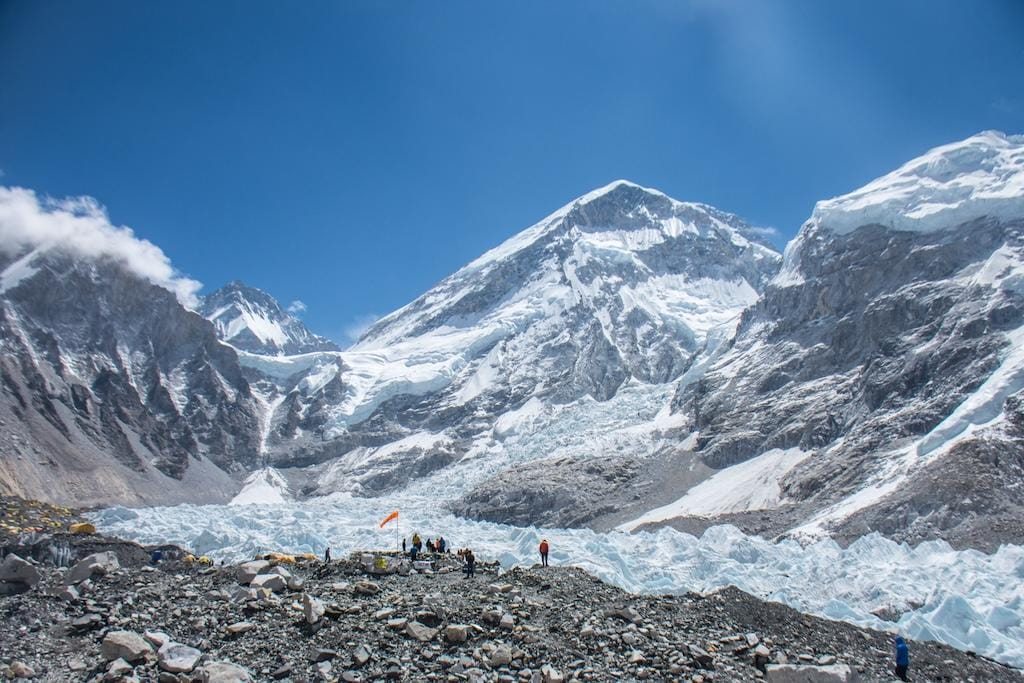
How Can I Implement Safe and Sustainable Trekking Practices in Nepal?
What Are the Best Practices for Ensuring Safety While Trekking?
When trekking in Nepal, safety is key. Make sure you have the right gear. A good pack, boots, and clothing help a lot. Check weather reports often. Storms can hit fast. Trek with buddies. If you get hurt, they can help you quick. Learn about the local wildlife. Some animals are best to avoid. Always tell someone where you’re going. Then they know where to look if you’re late.
For safe trekking practices in Nepal, start with getting to know the area. Look at maps and talk to people who have trekked there before. Hire a local guide if you can. They know the trails and can keep you safe. They also know how to handle high altitudes and tough paths. Bring water treatment tools. Clean water keeps you going strong. And don’t push yourself too hard. Listen to your body and take breaks when you need them.
How Can I Trek Sustainably to Protect Nepal’s Environment?
To trek sustainably, take care of nature. Always stay on marked trails. This protects the plants and soil. Carry out what you carry in. Waste hurts wildlife and the Earth. Use less plastic. Pick food and gear with less packaging. And if you see trash, do a good deed by picking it up.
Recycle anything you can when trekking in Nepal. Join clean-up treks if you can find them. They help keep the trails and campsites clean. Watch how you use resources. Use solar chargers if you can. And save water when you wash or cook.
What Is The Importance of Waste Management During My Trek?
Managing waste is big. It keeps Nepal clear and clean. It stops animals from getting sick or hurt. It also keeps water sources clean for everyone. If trash piles up, it can ruin the natural beauty. And that’s not good for people who live there or come to visit.
Bring bags for trash and sort it if you can. Nepal has places where you can put different kinds of trash. Don’t burn trash. It can be harmful and start forest fires. And, use toilets or dig a hole far from water to go to the bathroom. That keeps the water clean for all.
Remember, your choices make a difference. By following these tips, you can enjoy the trek and leave Nepal as beautiful as you found it.
How Do Trekking Permits Work, and What Are the Necessary Legal Considerations?
What Permits Will I Need for Different Treks in Nepal?
When you pick a trek in Nepal, you first need a permit. Most areas require an Annapurna Conservation Area Permit (ACAP) or a Sagarmatha National Park permit. Some treks, like Upper Mustang or Manaslu, need special permits. In restricted areas, you also need a guide.
A permit is your ticket to the trails. Without one, you can’t start your trek. You get these permits in Kathmandu or Pokhara. Some can be obtained at the start of your trek. Costs vary, but expect to spend around $20-$50. Check current prices before you leave.
How Do I Navigate the Visa Process for Nepal?
Visitors to Nepal must have a visa. Most travelers get a tourist visa on arrival. The fee depends on how long you stay. For a 15-day stay, it costs $30. Extend or get a new one in Kathmandu if needed. Always keep your passport handy.
What Should I Know About Emergency Services and Evacuation Procedures?
Safety is key. Always have travel insurance that covers emergency evacuation. High altitudes can be risky. Many trekkers face health issues like altitude sickness. If this happens, a helicopter rescue might be your only option.
Emergency help can be far in remote treks. Carry a first aid kit, and know the nearest help points. Get a local SIM card for your phone. This way, you can call for help if needed. Share your travel plans with someone you trust.
Remember, your health and safety depend on planning. Always know your limits. Choose a trek that suits your fitness. Prepare for the unexpected. With the right permits, visa, and safety plans, your Nepal adventure will be set to start!
Choose the Right Trek in Nepal: How?
To choose the right trek in Nepal, think about your goals. Do you want to see high mountains or explore local culture? How fit are you? Can you handle long walks up hills? Your trek should match your body’s ability. Think about how many days you want to trek. Pick a trek that fits into your schedule, with some extra days just in case. Money is key too. You will need cash for permits, a guide, food, and gear. If you get a package deal, it can help save. What place excites you? Everest, Annapurna, or somewhere quieter? When you trek matters too. Spring and autumn have the best weather. Always check what permit you need. You can ask trek companies to help. Look up what other people say about their treks. Choose based on what you like. Do you like being alone or chatting with locals? Stay safe. Some treks are close to cities and safer. And don’t forget insurance, it’s a must.
When planning to choose the right trek in Nepal, it’s important to align your trek with your fitness level and interests. For those who love snow-capped peaks, treks like Everest Base Camp or the Annapurna Circuit offer breathtaking scenery. Want to immerse in culture? Langtang or the Manaslu region could be your pick. Every trek in Nepal varies in difficulty. So, knowing your Nepal trek difficulty level is important. Assess honestly to enjoy without strain.
Timing also matters. The best time for trekking in Nepal is during spring and autumn. These seasons promise clear skies and pleasant temperatures. Plus, the risk of rain or snow is lower. Keep this in mind when trekking to remote areas like Everest Base Camp, as weather can change trek plans quickly.
As for your budget? It’s more than just the trek fee. Consider the cost of guides, permits, and gear too. It adds up. Package tours might seem pricey, but they often include all these costs.
And remember, every trek needs a permit. In Nepal, regulations and permits keep treks safe and preserved for everyone. Trekking companies often handle this, making it easier for you.
Lastly, listen to others who’ve trekked before. Their advice is priceless. It can help you choose what’s right for you. They’ll share about the trek, the guides, and hidden costs.
There you have it. Choosing the right trek in Nepal means looking at your goals, health, time, budget, and the kind of experience you want. It’s about balance and being true to what you can handle and enjoy. Safe trekking and happy trails!
Conclusion
In this guide, we tackled how to choose the right trek in Nepal. We dug into trek difficulty, weather, and acclimatization. We explored cultural treks and what to expect from them, like the local customs and wildlife you’ll meet. We covered prep for tough treks and the logistics you need to think about, like costs and whether to hire a guide. We also talked about trekking safely and with care for nature. And, we looked at permits and legal stuff. Remember, the right trek can make your adventure epic. So, take what you’ve learned and plan a trek that fits you like a glove!