TL;DR:
- Langtang Trek is a rewarding adventure, best undertaken in spring (March to May) or fall (September to November).
- Physical preparation is crucial; the trek is moderately difficult, requiring endurance and strength for varied terrains.
- Langtang’s highlights include panoramic views of Langtang Lirung Glacier and serene Kyanjin Gompa.
- Langtang National Park offers rich biodiversity, including red pandas and vibrant rhododendron blooms.
- Trek logistics involve permits from the Nepal Tourism Board, such as the Langtang National Park entry and TIMS card.
- Accommodation mainly involves teahouses; packing layers and proper footwear is essential for safety.
- Sustainable trekking emphasizes eco-friendly practices like reducing plastic use and supporting local businesses.
- Cultural immersion in Langtang reveals vibrant festivals, traditional foods, and resilient communities who rebuilt post-2015 earthquake.
Ready for a journey through Langtang’s lesser-known gems? As a trekking enthusiast, I promise the Langtang Trek will steal your heart. It’s not just about the majestic peaks; it’s the vibrant culture, stunning views, and thrilling challenges. From glaciers to ancient monasteries, Langtang is packed with wonders waiting to be explored. Let’s uncover its hidden treasures together and ensure your trek becomes an unforgettable adventure.
Table of Contents
How Can You Prepare for the Langtang Trek?
The Langtang trek is a magnificent journey through lush valleys and towering peaks. Knowing how to prepare will make your trek even more enjoyable. It’s not just about packing your bags but also about understanding the terrain, weather, and your physical limits.
Physical Preparation and Training Plans
Before setting foot on the Langtang trek, it’s essential to be in good shape. How long is the Langtang trek? Precision answer: About 9-14 days. Though it sounds doable, each day involves several hours of walking through varied terrain. Preparing your body for the challenge is critical.
You should begin with simple walks in your neighborhood. Gradually increase the distance and difficulty, adding hills and carrying a backpack. You don’t need a gym membership to get fit for this trek. A pair of good hiking shoes and determination will go a long way. It’s not just about endurance but about balance and leg strength, too. Include exercises like squats, lunges, and calf raises. They help in strengthening leg muscles and increasing endurance.
Understanding the difficulty level of the Langtang trek is vital. How difficult is the Langtang Trek? Precision answer: Moderately difficult. The trek varies from forest paths to rocky trails, sometimes steep. Regular training helps build the stamina necessary to tackle this beautiful but challenging path.
The Best Time for Langtang Trek
The best time to trek Langtang? Precision answer: Spring or fall. These are the seasons with the best weather conditions. In spring (March to May), the trails are lined with blooming rhododendrons, adding vibrant colors to your trek. Temperatures are pleasant, and the skies usually clear. In fall (September to November), the post-monsoon air offers excellent visibility. This is the time to capture stunning mountain views through your camera lens.
Winter and summer treks are possible but not ideal. During winter (December to February), snow can block paths, making the trek more challenging and less enjoyable. In summer (June to August), the monsoon rains make trails wet and slippery. Leeches are also a nuisance, so most trekkers avoid this season.
Understanding Langtang’s Weather Seasonal Changes
Langtang trek weather conditions change with the seasons. These changes affect how you pack and plan. In spring and fall, you can expect moderate temperatures during the day, ranging from 10°C to 15°C at lower altitudes. As you ascend, it gets colder and can drop to below zero at night.
Layers are your friend. Pack lightweight, breathable clothing and a good jacket for the cold evenings. A rain jacket is a must, especially if you embark during early spring or late fall when unexpected showers could occur.
Effects of Altitude and Acclimatization Strategies
One of the unique aspects of the Langtang trek is the altitude. At its highest points, you’ll be trekking over 4,900 meters above sea level. Acclimatization is crucial for your health and success.
Here’s an effective strategy: “climb high, sleep low.” It means to incorporate short treks to higher altitudes during the day, then return to a lower altitude to sleep. This approach helps your body adjust to the lower oxygen levels.
Stay hydrated. Drink plenty of water as you trek. It helps your body adapt and reduces the risk of altitude sickness. Pay attention to any signs: headaches, nausea, or dizziness. If you experience these, it means you’ve climbed too fast. Rest, and consult with your guide if symptoms persist.
In Langtang, you trek through beautiful landscapes and diverse climates. Preparing well means any surprises are pleasant ones. With each step, you not only move forward on the map but also deepen your connection with the stunning natural world around you.
What Are the Highlights and Challenges of the Langtang Trek?
Trekking on the Langtang Valley Trek is like immersing yourself in a world filled with majestic beauty and cultural richness. The trek offers both incredible highlights and demanding challenges that require dedication and preparation. I’ll take you through some key points and answer a few pivotal questions first, using the Stanford Question Answering Dataset (SQuAD) approach for clarity.
Key Highlights Along the Langtang Valley Route
What is the most remarkable view on the trek? The most breathtaking highlight is undoubtedly the view of the Langtang Lirung glacier, towering over 7,200 meters. This spectacular sight greets you as you ascend the valley, reflecting the sun’s rays from its icy peaks. The pristine nature around these glaciers showcases the raw power of nature, making every step toward them worth it.
You will also encounter Kyanjin Gompa, a serene monastery perched at 3,850 meters. This tranquil spot is ideal for reflection and offers a glimpse into local Tibetan Buddhist traditions. The views from here, with panoramic sights of snow-capped peaks, are nothing short of mesmerizing.
What makes Langtang diverse in nature? Langtang’s diversity is encapsulated within the Langtang National Park. As Nepal’s first Himalayan national park, it offers glimpses of red pandas, Himalayan tahr, and a variety of birds. Walking through its forests, filled with rhododendron and oak trees, you can sense nature’s balance and complexity.
Scenic Views: Langtang Lirung Glacier and Kyanjin Gompa
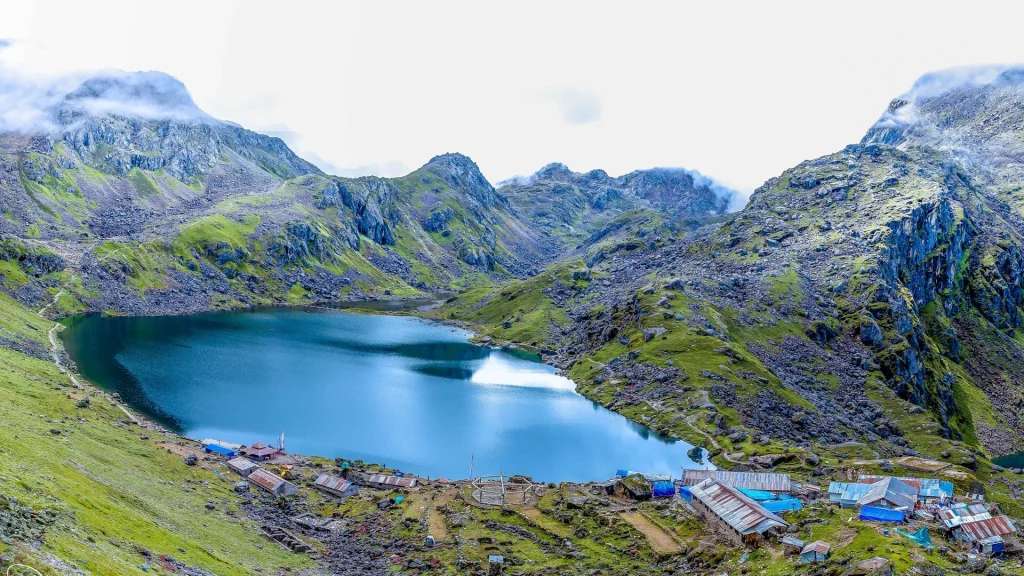
Why do these spots stand out? Langtang Lirung glacier is a dominant feature in the valley landscape. Its grandeur captivates even seasoned trekkers. The air is cooler, crisper here, and the glacier’s icy blue surfaces are a marvel against the stark mountain background.
Kyanjin Gompa, on the other hand, offers spiritual solace amidst nature’s wild beauty. It’s not only about the views but also the serenity that envelops you in this quiet place. Monks chanting prayers further deepen the experience, adding an extra layer of wonder to the trek.
Identifying the Trek’s Challenges and How to Overcome Them
Is the Langtang Trek difficult? The Langtang Trek’s difficulty level is considered moderate but should not be underestimated. The journey involves steep inclines and narrow paths that require stamina. The challenge lies in the combination of these physical demands with high altitude, which can affect even the fittest trekkers.
What are the key challenges?
Altitude Sickness: The trek reaches heights beyond 3,500 meters. Acclimatization is crucial, so take rest days and ascend slowly.
Changing Weather Conditions: The weather changes rapidly, especially during the transition of seasons. Dress in layers to adapt quickly.
Rugged Terrain: The trail can be rocky and uneven. Proper footwear is essential to prevent slips and injuries.
To conquer these challenges, mental preparation is as important as physical training. Keep hydrated, listen to your body, and don’t rush.
Exploration of Langtang National Park Biodiversity
Why explore this park? Langtang National Park is a sanctuary of diverse ecosystems. You’ll traverse through vibrant meadows, dense forests, and up to alpine pastures. This terrain diversity supports an array of wildlife such as red pandas, snow leopards, and over 250 bird species.
What’s unique about the park? The park is home not just to animals, but also to thriving plant life. In spring, rhododendrons bloom, painting the trails with shades of red and pink. This is an ideal time for botanists and nature lovers to visit.
Exploring the park gives you a sensory tapestry of sights, sounds, and smells that are quintessentially Himalayan. It’s a reminder of nature’s wonder and the need to preserve such precious habitats.
Trekking in Langtang is an adventure that challenges and energizes. It requires awareness, respect for nature, and a spirit of exploration. By embracing this experience, you discover the hidden gems of Nepal that are often overshadowed by more famous routes like Everest Base Camp or Annapurna. Whether you’re staring at the mighty Langtang Lirung or finding peace at Kyanjin Gompa, each moment on the trail stretches the limits of both body and spirit. As a trekker, be prepared, be respectful, and be inspired.
How Does Culture Influence the Langtang Trek Experience?
Culture shapes the Langtang trek in amazing ways. When you visit Langtang Village, you feel a deep connection to its people. Did anyone from Langtang village survive? Yes, many villagers survived. Their spirit and strength are incredible. After the 2015 earthquake, they rebuilt their homes and lives, showing immense community strength. You can see their courage in how the village thrives today.
Overview of Cultural Immersion in Langtang Village
Walking through Langtang Village, you step into a living, breathing world of culture. The air buzzes with stories from the past and present. Villagers wear clothes with colorful patterns, symbolizing their heritage. You might hear the sweet melodies of traditional songs resonating through the valley. Every face tells a story, offering you a glimpse into a life woven deeply with history.
The warmth of the people is like a hug. They invite you into their homes, eager to share their way of life. In the simple beauty of their daily routines, you find magic. From tending yaks to crafting local goods, each task is done with care and pride. It’s a rare chance to feel what it’s like to live in a place where time slows down.
The Resilience and Recovery of Langtang Village Community
Langtang Village’s tale of endurance is as powerful as the peaks surrounding it. The earthquake scarred the land, but not its people. They faced loss and fear with unwavering strength, coming together to rebuild what was broken. When you visit, you don’t just see a village; you witness a community reborn. Their laughter and hard work echo resilience.
Every structure now symbolizes hope and determination. Homes, schools, and shops have risen from rubble, standing tall. Helping hands were many, but it was the villagers’ resolve that lit the way forward. When you walk these paths, you feel their unbroken spirit in the air.
Key Cultural Festivals and Traditional Food Experience
Celebrations in Langtang are vibrant displays of local joy and tradition. The festivals become colorful parties for everyone. Each dance step is a connection to the past, and every song is a gift of the present. The community’s zest for life shines in these joyous moments.
Do not miss out on local dishes that tickle your taste buds with their unique flavors. Meals are simple yet nourishing, offering a true taste of the land. Dhal bhat, a comforting rice and lentil dish, warms the soul. You might savor yak cheese, rich with a distinct tang. As the flavors explode in your mouth, you taste the heart of Langtang.
Insights into Local Crafts and Architecture
Langtang Village offers a window into the skilled craftsmanship passed down through generations. Hands sculpt clay and wood into stunning art. You can watch artisans weaving their magic into fabrics that tell stories in every thread. These creations carry the soul of the people, sharing a piece of their heritage.
Buildings blend beautifully into the landscape, harmonizing with nature. Stone and wood form structures that look like they’ve always been part of the valley. Each home has its distinct charm, showcasing intricate designs and reflecting Langtang’s unique character. As you admire these works of art, you understand how architecture here is more than shelter; it is a testament to tradition.
Explore the Langtang Valley further to discover more intricate details that shape the cultural experience. Its hidden corners and delightful surprises await.
What Should You Know About Langtang Trek Logistics?
When planning a trek to Langtang, you must consider a few logistics. From selecting the right itinerary, booking accommodations, and understanding permit regulations, here’s everything you need to know.
Different Langtang Trek Itineraries and Routes
Many set out for the Langtang Valley Trek, with routes offering varied experiences. The most popular path begins in Syabrubesi, a town reached by bus from Kathmandu. Trekkers usually follow a trail that hugs the Langtang River. Some itineraries may include side trips, like the climb to Tserko Ri, which grants trekkers breathtaking views of Langtang Lirung and the surrounding peaks.
Logistics play a key role in determining the trek duration. While most itineraries extend over a period of eight to ten days, tailoring them to match personal goals or fitness levels is common. One itinerary might focus on a steady pace, covering less ground per day. This approach provides time to explore further, embrace the culture, or photograph the scenery. Another might opt to cover more distances each day, making time for additional explorations in Kyanjin Gompa or a trek to the sacred lakes.
Essential Accommodation Tips: Teahouses and Lodges
Accommodation en route from Syabrubesi to Kyanjin Gompa predominantly consists of teahouses. Simple but welcoming, these lodges serve as the heart of trekking culture. Beds are basic, often shared with others in the same space. Hot water for showers is sometimes available at an additional cost. Though these places offer the necessities, it’s wise to bring a sleeping bag to ensure warmth.
Dining follows a typical setup: visitors encounter a shared room with tables lined with padded seats. Meals usually include staples like dal bhat, noodles, or soup. While the food is fulfilling, it’s important to sample local dishes when possible. The interactions around these tables foster community among the trekkers, sharing hikes and stories.
Booking ahead is rarely needed during off-peak months, but this changes in busy periods. Despite the prevalence of teahouses, rooms can fill quickly during peak trekking seasons. In these months, advance arrangements guarantee a place to rest after a long day’s walk.
Permit Requirements and Entry Regulations for Trekkers
Before setting off for the Langtang region, gather essential permits. The first is the Langtang National Park entry permit, which grants access to the protected area. Officials issue this from the Nepal Tourism Board office in Kathmandu.
In addition to the park entry permit, trekkers require a TIMS (Trekkers’ Information Management System) card. Created to protect trekkers in the Nepalese Himalayas, it serves as a record of routes taken. Trekkers can obtain this at the same location as the national park permit or often in Syabrubesi.
Expect checks at various points en route. Passing through checkpoints verifies permits and track progress. Officials usually ensure all regulations are followed during entry. These measures excel in monitoring impacts on both the environment and local communities.
Packing Essentials and Safety Measures
Packing appropriately ensures safety and enhances enjoyment. Layered clothing addresses the drastic temperature changes typical at higher elevations. Begin your base layers with moisture-wicking materials to keep you dry. Add insulation to maintain warmth with an outer waterproof layer to combat wind and rain.
Hiking boots with ankle support make a paramount difference. Trails often change in surface and sometimes pass through rocky areas. Break boots in before leaving home to avoid discomfort and blisters that could ruin your experience.
Consider carrying essentials in a daypack. Ensure it holds water, snacks, a map, sun protection, and a personal first-aid kit. Altitude sickness is a concern; medications such as acetazolamide reduce its effects. But staying hydrated and ascending gradually remains key.
Cell service can be sporadic; sharing your itinerary with someone before departure increases safety. Trekking in the company of someone else provides support and companionship. Guide services offer not only logistical help but also deeper engagement with the culture and landscape.
How Can You Ensure a Sustainable Trek in the Langtang Region?
When you venture into the Langtang Valley, you step into a world of natural beauty and cultural richness. But with great beauty comes great responsibility. How can you ensure your trek leaves a footprint of consciousness rather than pollution? By embracing eco-friendly trekking tips, respecting local customs, and supporting conservation efforts, you make a big difference.
Eco-friendly Trekking Tips for Minimizing Impact
Your journey through the Langtang Valley holds more than sights; it holds responsibilities. Trekking can harm the environment, but simple actions prevent that. Start by carrying reusable water bottles and purifying tablets. This reduces plastic waste and prevents littering. Avoid using single-use plastics like wrappers and bags, as they stick around, harming wildlife and the landscape.
Every step you take should reflect your care for nature. Stick to marked trails to safeguard delicate vegetation. Off-road paths damage budding plants and soil. Your decision to stay the course protects this vibrant ecosystem for future trekkers. Also, use biodegradable soaps and shampoos. These eco-friendly aids keep the region’s water sources free from harmful chemicals.
Packing organic snacks is another way you bring less waste. Organic wrappers, if packed out, keep the environment clean. As you pass through villages, buy local fruits and veggies. This supports the economy and reduces your waste footprint. Also, never leave behind any garbage. Use decomposable bags for waste and always pack out what you bring in.
The Role of Langtang National Park in Conservation Efforts
Langtang National Park is not just a backdrop; it is a living, breathing sanctuary. What role does it play in conservation efforts? The park safeguards diverse wildlife, from the elusive red panda to the blue sheep. Stringent rules and vigilant rangers protect these creatures and their homes. Regular checks ensure enforcement of habitat protection and poaching prevention.
The park spans 1,710 square kilometers and includes multiple climate zones. Each zone supports unique flora and fauna, sustaining vital ecological cycles. Efforts in the park include reforestation projects, part of its recovery strategy post the 2015 earthquake. These efforts help restore damaged areas, renewing habitats for wildlife.
But the park needs more than internal efforts. Your participation is crucial. When you buy a park permit, you directly fund these essential conservation projects. Every permit purchase supports activities from animal monitoring to tree planting initiatives. Respect park rules and report any violations to aid in these comprehensive conservation endeavors.
Supporting Community-based Tourism and Sustainability
Your trek has a powerful ally: the local community. Engage with and support them through community-based tourism. This style of tourism empowers locals and sustains the economy. Your choices help boost livelihoods without straining resources.
Stay in locally-run teahouses, lodges, and homestays. These accommodations are crucial in providing income and reducing migration pressure. They support authentic experiences while maintaining smaller eco-footprints than larger establishments. Sharing meals with local families offers insights into the culture and sustains their futures.
Spending money where it matters fuels sustainable projects. Buy hand-crafted goods and local art as gifts and souvenirs. These purchases keep traditions alive and foster cultural pride. Joining village-guided tours is equally rewarding. Community guides tell the stories behind the ancient traditions and sacred sites, enriching your journey with deep understanding.
Ethical Trekking Practices Respecting Local Customs
Respect is the cornerstone of ethical trekking. The Langtang Valley is home to cultures rich in tradition and spirituality. How do you respectfully tread through these sacred lands? By understanding local customs and engaging with sensitivity.
Visit monasteries and Gompas with an open heart. These are spiritual havens, so approach with reverence. Dress modestly and remove shoes when entering sacred sites. Your behavior reflects your respect for local beliefs and practices. When photographing people or places, always ask for permission. A simple request shows honor for privacy and personal space.
The Langtang Valley’s spirituality weaves through its festivals and rituals. Respect the sacredness of these events by observing them with understanding. Engage joyfully but mindfully, knowing that traditions hold deep meanings and long histories.
Speaking a few words in the local language matters. Learn simple greetings and thanks—it breaks barriers and builds bridges. These respectful exchanges nurture meaningful interactions with the locals you meet. By walking not just through, but alongside tradition, you tread a path of mutual respect and understanding.
Conclusion
We’ve explored everything needed for a great Langtang trek. From preparing your body and picking the best time to go, to understanding the weather, altitude challenges, and local culture—you’re now set for this adventure. Visit breathtaking sites, enjoy local customs, and trek responsibly. Prepare well, respect local traditions, and cherish every moment of this incredible journey. Embrace Langtang’s beauty and its people while leaving a light footprint. Safe travels!