TL;DR:
- Nepal boasts a diverse array of landscapes, from subtropical lowlands to the highest mountain peaks on Earth, making its trekking routes varied and breathtaking.
- Top treks include the challenging Everest Base Camp Trek and the diverse Annapurna Circuit Trek, offering high-altitude hikes, diverse landscapes, and cultural immersion.
- Preparation for Nepal treks requires physical fitness, quality trekking gear, an understanding of high altitude conditions, and knowledge of Acute Mountain Sickness (AMS).
- Trek difficulties are determined by Nepal’s Trek Grading System, which considers factors like trail conditions, daily walking hours, terrain steepness, and altitude.
- Trekking seasons in Nepal vary greatly due to its extreme altitude disparity, with each season offering unique advantages for trekkers.
- Solo vs group trekking depends on individual preferences and experiences. Solo trekking offers freedom and demands self-reliance, while group trekking provides shared experiences and safety.
- Visit Exotic Mountains Treks & Expedition for more details.
Ever found yourself dreaming of Nepal’s majestic peaks? Of trails that gift not just spectacular vistas but cultural gems too? Your dream can now take the shape of a breathtaking reality! This guide to the best trekking route in Nepal unravels the mystery for you – highlighting must-see stops, offering preparation tips, and more. Get ready for an adventure of a lifetime!
Table of Contents
Why are Trekking Routes in Nepal Considered the Best?

Now, you may wonder, why do trekkers rave about Nepal? Let’s look at Nepal’s unique geography first. Nestled between India and Tibet, this small country holds a diverse range of landscapes. From the subtropical Terai lowlands to the highest peaks on Earth, Nepal has it all. Each step brings a different scenery, making Nepal’s trekking routes anything but monotonous.
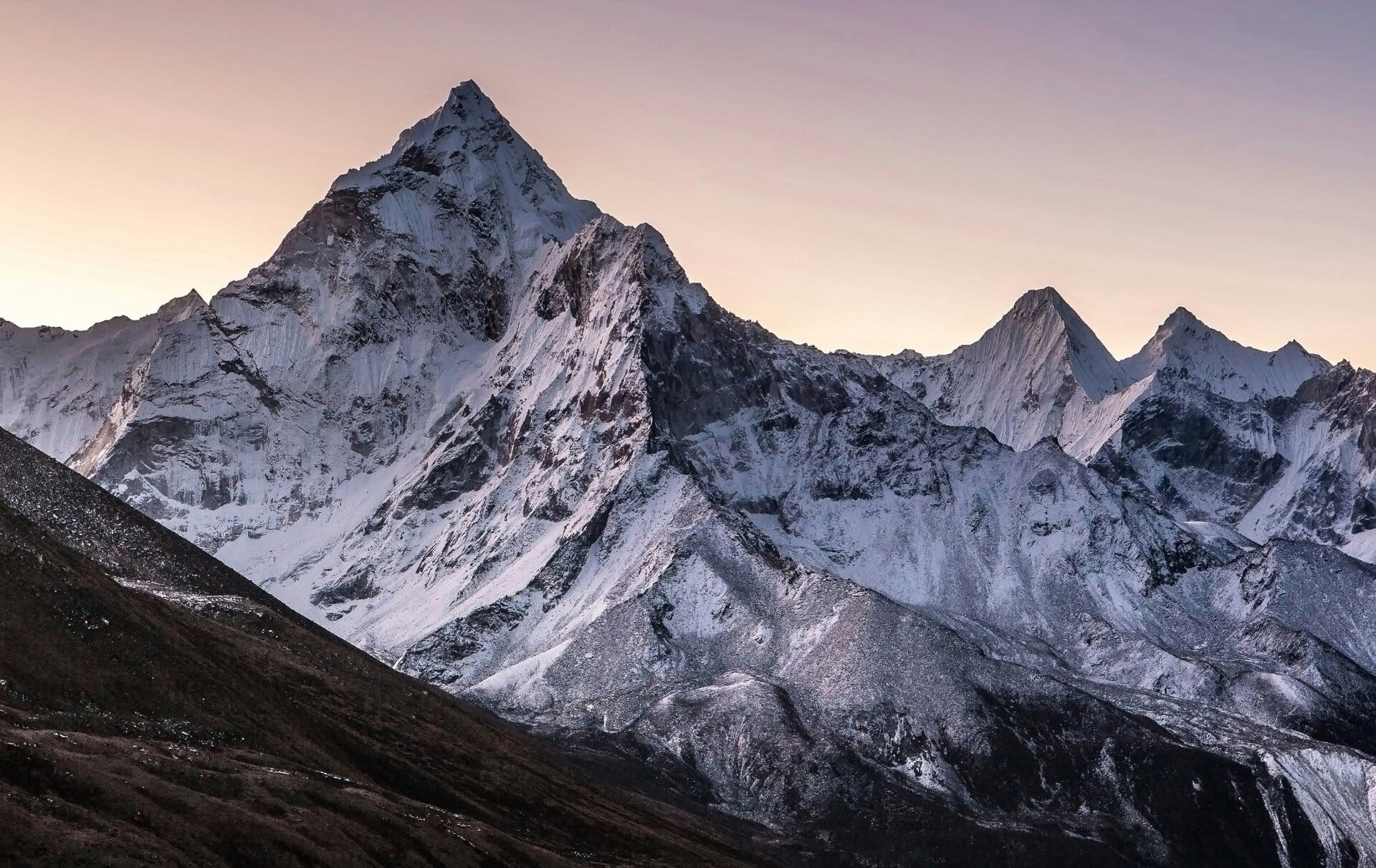
Since we’re talking about peaks, let me tell you about the allure of the Himalayas. Majestic, intimidating, and awe-inspiring, the Himalayas are a massive mountain range stretching across five countries, with the largest portion in Nepal. They hold eight of the ten highest peaks globally, including Mount Everest. Walking their trails, you don’t just see mountains; you witness giants.
Himalayan peaks, however, aren’t just there to admire from a distance. They beckon adventurers to test their mettle against altitudes that reach the sky. Nepal offers a multitude of trek options varying in length, difficulty, and altitude. Whether you’re an expert hiker looking for your next challenge or a rookie embarking on your first trek, there’s a trail that fits your fitness level.
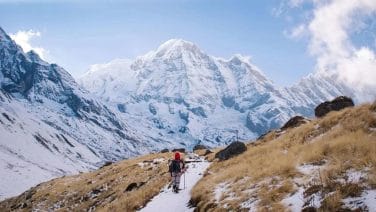
For instance, the well-known Annapurna Circuit is a demanding trek, taking 14 to 21 days to complete. The views of Annapurna and Dhaulagiri, two of the world’s highest peaks, are a feast for the eyes. As you follow a trail that runs for 112-128 miles, you’ll undergo a total elevation change of over 10,500 feet, pushing your strength to its limits. Yet, the trek is not an isolated one. The route is festooned with friendly tea houses, where you can rest, replenish, and enjoy the local culture.
For those looking for a moderate challenge, the Annapurna Basecamp and Everest Basecamp treks are solid options. They offer equally gripping views with less demanding routes. On the Everest Basecamp trail, you can step onto the same path followed by mountaineers on their way to kiss the Everest summit.
In essence, the best trekking route in Nepal is very subjective. It depends on your fitness level, the type of scenery you like, and ultimately the adventure you want to experience. That’s the beauty of Nepal’s trekking routes. They cater to everybody, from the casual walker looking for serene hill walks to the hardy enthusiast wanting to tackle towering heights. As we delve deeper into this topic in upcoming sections, you will be able to chart your path and prepare for the challenge of your choice.
Why choose Nepal as your trekking destination? Look no further than its varied geography, the allure of its majestic peaks, and the multitude of trek choices it offers for all fitness levels. Trust me, once you embark on a Nepal Himalayan adventure, no other trek will measure up. But don’t just take my word for it. Try it for yourself to witness firsthand what makes Nepal the ultimate trekking paradise. You won’t be disappointed.
What are the Most Popular Trekking Paths in Nepal?
From the heights of Everest to the scenic corners of Annapurna, Nepal boasts some of the most popular trekking paths around the globe. If you’re hunting for your next challenge, two of the highlights stand out: the Everest Base Camp Trek and the Annapurna Circuit Trek.
Let’s journey into the specifics of each starting with the ultimate choice for many – the Everest Base Camp Trek. This trek is considered the king of all treks, known for challenging even the most seasoned climbers. You can expect altitudes of 17,598 ft, yet the beauty of glistening peaks piercing the skyline is worth every heavy breath. The popularity of this rigorous trek stems from the majestic sight of Everest’s peak and the sense of accomplishment when reaching Base Camp – a shared dream amongst many trekkers. This comprehensive guide should help you in planning your next trek.

Meanwhile, the trophy for the most diverse trek undoubtedly goes to the Annapurna Circuit Trek. What makes it unique is the ever-changing landscape on the way to the top. One day you’re passing through a lush jungle, and the next you face a desolate, moon-like scenery. This trek lasts around 14 to 21 days, where you will come face to face with some of the world’s highest peaks, including Dhaulagiri and Annapurna. With the trail stretching between 112 and 128 miles, it’s truly an experience of a lifetime. This route is popular due to the varied sceneries, rich culture, and trails dotted with teahouses for easy relaxation after long trekking days.
Now comes the question, Everest or Annapurna: which one is for you?
If you are a challenge-seeker, then the Everest Base Camp Trek will quench your thirst. It provides an unparalleled sense of achievement coupled with breathtaking views. Be ready to immerse yourself in the vibrant Sherpa culture, cross endless suspension bridges, and venture through Sagarmatha National Park. It’s an intense test of endurance, but the reward is unmatched.
On the other side of the coin, if you are after variation and cultural immersion, then the Annapurna Circuit Trek should top your list. Picture yourself passing through fascinating Nepalese villages, interacting with friendly locals, and witnessing their customs first-hand. The route takes you through diverse landscapes, from high mountain passes to subtropical valleys, ensuring each day is a unique trekking experience.
Remember, each trek offers unique ventures and carries its essence. Your ultimate pick should align with what you are looking for – whether it’s jaw-dropping heights, cultural immersion, or varied landscapes. Whichever path you choose, one thing stays firm – an unforgettable experience awaits you in Nepal.
Choosing the perfect trek is not just about the allure of the trail. It’s about choosing an adventure that suits you, your abilities, and your goals. Whether you choose the glory of the Everest Base Camp or the rich diversity of the Annapurna Circuit, remember that it’s your journey that counts – the trek is merely where it begins. Happy trekking!
How Should One Prepare for a Trek in Nepal?
Among the many exciting adventures, you could undertake, a trekking expedition in Nepal sits at the top. But, to fully appreciate all that Nepal treks offer, you must come prepared.
First and foremost, you need to focus on your physical fitness. Trekking in Nepal is not a stroll in the park. It’s a rigorous adventure that tests your endurance. A robust conditioning regimen encompassing cardio, strength, and flexibility exercises can help prepare your body for the trek. You need to be physically fit to navigate the beautiful trails of Nepal without getting excessively weary. On a personalized note, my training regimen always involves long-distance walking, with the last few weeks dedicated to carrying a weighted backpack similar to the one I’ll be using on the trek.
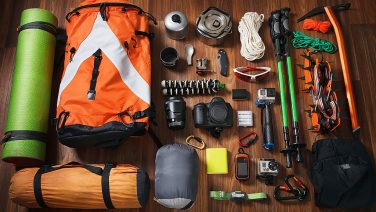
An essential part of your trekking preparations is packing the right equipment. Do not underestimate the significance of premium quality trekking gear. Your backpack essentials should include a sturdy pair of hiking boots, high-quality trekking poles, durable clothing suited to the weather conditions, a hat to protect against the sun, sunglasses, a water bottle, and a headlamp. A handy tip I learned from my years of trekking in Nepal is always to carry a pair of thermally insulated gloves. Trust me, your fingers will thank you when you reach those chilling high altitudes.
Speaking of altitudes, you need to understand and adapt to high-altitude conditions. On routes such as the Everest Basecamp or the Annapurna Circuit, you’d find yourself in thin-air environments. Once above 2500m, the oxygen in the air reduces significantly, leading to a condition known as Acute Mountain Sickness (AMS). Recognizing the symptoms of AMS and knowing how to deal with this condition is paramount for a safe trekking experience. Several resources available online can guide you in gaining more knowledge about AMS.
Finally, forsaking the bustling city life and immersing yourself in the wild outdoors is a profound experience, especially when you’re trekking in Nepal. Still, this adventurous journey requires preparation to ensure that every step you take on the rugged trails is safe and enjoyable. Neatly chalk out your trek precautions and preparations before you embark on this unforgettable adventure.
What Factors Determine the Difficulty Level of Nepal Treks?
Exploring the Himalayan trails of Nepal, you’re faced with the challenge of deciding which trek to embark on. Trust me when I say, the excitement blends with a pinch of confusion when you’re standing in front of the world’s best trekking routes. The key here is understanding each trek’s difficulty. The difficulty level of treks in Nepal is dictated by several variables.
Similar to your treks back home, multi-day trekking in Nepal requires you to consider terrain and duration. The trek becomes more challenging as you hike on rigorous paths for an extended period. The Annapurna Circuit, famed for its varied landscapes, is a prime example. Its steep climbs, rocky terrains, and remote trails deem it a Very Strenuous trek.
High-altitude trekking in Nepal undoubtedly adds another layer of complexity. You’re probably wondering what altitude has to do with trek difficulty levels. Let’s put it this way, with ascent, the air gets thinner and oxygen reduces. This change in altitude can cause discomfort, a slower pace, and even altitude sickness. Remember, high-altitude adventure needs acclimatization, making treks like Everest Basecamp labeled ‘strenuous’.
But don’t let these factors dissuade you. Trekking is more than just marking a trail on your adventure list. It’s about taking in Nepal’s mountain grandeur at your own pace. Whether it’s a peaceful hike through Langtang or a thrilling endeavor to Manaslu, there’s a trail for every adventurous soul out there. For a more detailed trek difficulty guide, do check out ExoticMountains. Happy exploring!
What is the Role of Seasons in Planning a Trek in Nepal?
Let’s discuss trekking seasons in Nepal, a crucial factor for your adventure. Should you consider monsoon trekking in Nepal? How about visiting during the high season? The answers to ‘when’ to plan your trek are closely tied to the country’s weather patterns.
Nepal’s weather varies greatly, thanks to its extreme altitude disparity. Four main seasons decorate the calendar: Spring (March to May), Summer (June to August – yes, monsoon time), Autumn (September to November), and Winter (December to February).
Spring sees moderate temperatures and clear weather, making it ideal for trekking. This is one of two peak trekking seasons in Nepal due to these favorable conditions.
Summer is monsoon season, filling the landscapes with lush green vegetation but also unexpected rains and often blocked views of the peaks. Is it for everyone? No. But for some, monsoon trekking in Nepal, with its challenges and rewards of teal landscapes and diverse fauna, is an unparalleled experience.
Autumn, hands down, is the best time for trekking. It’s after the monsoons, so the atmosphere is clear with perfect visibility. Expect daytime temperatures in the moderate range – just enough to break a sweat. It’s the perfect season to hit those high altitudes without worrying too much about the weather.
Hold on, we have Winter too! Winter treks are less frequented but hold a charm of their own. Expect colder weather and, in some regions, a lot of snow. Trails at high altitudes like Everest Base Camp might be closed due to heavy snowfall, but lower treks like Ghorepani Poon Hill are pretty doable.
Now, here’s the deal. For all the adrenaline addicts out there, off-season treks bring a whole new level of adventurous trekking. Not a walk in the park, but the beauty of solitude on trails and an entirely different, equally mesmerizing view of the landscapes can be a tempting change.
Critical is understanding weather patterns and how they impact treks; and which season aligns with your trekking preferences and expectations. Choose wisely! The planning doesn’t end here though, stick around as we uncover more handy tips on successfully and safely navigating your way through Nepal’s trekking trails.
Remember, when it comes to trekking, especially in a country as diverse and magnificent as Nepal, every choice you make plays a role in the adventure you create.
Solo vs. Group Trekking in Nepal: Which One to Choose?
If you’re itching to explore the mesmerizing trekking routes of Nepal, a crucial question arises: Do you set off alone, or journey as part of a group? Let’s delve into the pros and cons of solo and group trekking in Nepal.
Advantages and Disadvantages of Solo Trekking
Solo trekking in Nepal presents an exhilarating freedom. You’re the master of your rhythm, choosing when to start and when to rest. Would you skip a lunch stop to reach the snow-dusted high pass bathed in the golden light of the setting sun? Only you decide.
But remember, along with independence comes responsibility. You need solid navigation skills, even though most Nepali trekking routes are well-marked. A close eye on the weather and understanding altitude sickness symptoms are a must. Lastly, solitude, for some, can turn from a pleasant companion to a heavy burden on a long trek.
Benefits of Group Trekking
Group trekking in Nepal, on the other hand, combines the joy of discovery with the fun of shared experiences. At the end of the day, you recount adventures around a warm hearth and anticipate the next day’s journey, all in the company of like-minded folks.
Remember, group trekking requires compromising on pace and decisions. However, the trade-offs can be worth it. An experienced guide navigates, manages logistics, and keeps the group safe. In a medical emergency, help is readily available.
Which One Suits Your Trekking Style?
Whether you prefer solo trekking or group trekking in Nepal depends on your personality, experience level, and attitudes towards risk. Solo trekking suits the fiercely independent and self-reliant. If you thrive in the company of others, or if you’re new to high-altitude trekking, a group might be the way to go.
No matter what you choose, one thing is certain – the allure of Nepal’s majestic peaks and welcoming locals will provide you with unforgettable experiences and stories for the next adventure. So, are you ready for a trek of a lifetime in Nepal?
Conclusion
We’ve journeyed through the splendor of Nepal’s treks, showcasing why they’re rated top. Dive deep into popular treks like Everest and Annapurna, understanding their unique charms. Preparing well for these expeditions ensures a rewarding journey. Factors like terrain, trek duration, and high altitude forge a trek’s difficulty. Timing your trek with Nepal’s seasons can create a memorable adventure. Consider if a solo or group trek suits your style best! A trek in Nepal blends challenge with wonder, and nature with culture. Happy trekking!