TL;DR:
- Gokyo Ri Trek Duration: Climbing Gokyo Ri takes 3-4 hours, while the full trek is 12-15 days starting in Kathmandu.
- Key Itinerary Stops:
- Start: Kathmandu to Phakding via Lukla.
- Acclimatization: Namche Bazaar and Machhermo.
- Highlights: Gokyo Lakes, Gokyo Ri, Ngozumpa Glacier.
- Return: Ends in Kathmandu.
- Comparison with Everest Base Camp: Gokyo Ri offers a less crowded, scenic route with stunning Gokyo Lakes.
- Costs: Range from $1000-$2000, including flights, guides, and gear.
- Challenges: Includes high altitude and weather changes; acclimatization is vital.
- Best Seasons to Trek: Fall and spring for clear weather and views.
- Cultural Immersion: Explore Sherpa villages and respect local customs.
- Sustainability: Embrace eco-friendly trekking practices.
The Gokyo Ri Trek is one of the best Everest-region alternatives for trekkers who want turquoise lakes, quieter trails, glacier views, and a high viewpoint with Everest, Lhotse, Makalu, and Cho Oyu in one panorama. This guide explains the Gokyo Ri itinerary, difficulty, altitude, cost, best season, route options, and how it compares with the classic Everest Base Camp Trek.
If you are still comparing routes, use this article alongside our Everest Base Camp trek cost guide, Everest Base Camp altitude guide, and Everest Base Camp packing mistakes guide. Together, they help you choose whether Gokyo, EBC, or a combined Gokyo-EBC route is the better fit.
Table of Contents
How Can You Plan the Perfect Gokyo Ri Trek Itinerary?
Understanding the Duration of the Gokyo Ri Trek
Ever wondered how long it takes to climb Gokyo Ri? It usually takes three to four hours. This is from the village of Gokyo and back to the starting point. Most trekkers schedule an early morning start. This helps with viewing the sunrise over Everest and the other great peaks. The full itinerary of the Gokyo Ri trek lasts about 12 to 15 days. This includes the time to get to Lukla and return. The trek begins once you arrive in Kathmandu.
Crafting a Day-by-Day Itinerary
Planning allows you to enjoy every moment of the trek. Here’s a sample itinerary to consider for your trip:
Day 1: Arrive in Kathmandu – Spend the day exploring the bustling city. Prepare for your trek, check gear and permits.
Day 2: Fly to Lukla, trek to Phakding – Enjoy the thrilling flight to Lukla. Begin your trek to the village of Phakding at 2,610 meters.
Day 3: Phakding to Namche Bazaar – Climb through forests and across bridges. Reach Namche Bazaar, a lively spot with shops and cafes at 3,440 meters.
Days 4-5: Acclimatization in Namche Bazaar – Use these days to rest and acclimatize. Hike to Syangboche Airport for views or visit the local museum.
Day 6: Namche to Dole – Trek to Dole, enjoy views of Thamserku and Kangtega peaks. The trail climbs steep and offers stunning mountain views.
Day 7: Dole to Machhermo – Trek further to Machhermo, known for its tales of the Yeti. Visit the HRA clinic for altitude advice.
Day 8: Machhermo to Gokyo – Reach Gokyo next to its beautiful lakes. Marvel at the turquoise waters and panoramic vistas.
Day 9: Climb Gokyo Ri – Early climb for breathtaking views of Everest, Nuptse, Lhotse, and Makalu. Descend to Gokyo for rest.
Day 10: Gokyo to Dole – Retrace steps back to Dole. Enjoy views from the opposite perspective on the return journey.
Day 11: Dole to Namche Bazaar – Return to the vibrant Namche Bazaar. A nice chance to unwind after the trek.
Day 12: Namche to Lukla – Trek back to Lukla, enjoy your last night in the mountains. Reflect on your adventure.
Day 13: Fly to Kathmandu – Return by plane to the capital city. Rest and explore further if time permits.
Day 14: Departure Day – Conclude your trek experience as you head back home or onward travels.
Incorporating Acclimatization Days
Acclimatization is crucial for safety and enjoyment. It helps the body adjust to the thinner air at high altitudes. Namche Bazaar offers the best spot for this. You can use this time for short hikes and explore local culture. Another option for acclimatization is in Machhermo. Activities like these help prevent altitude sickness.
Essential Stops and Highlights Along the Way
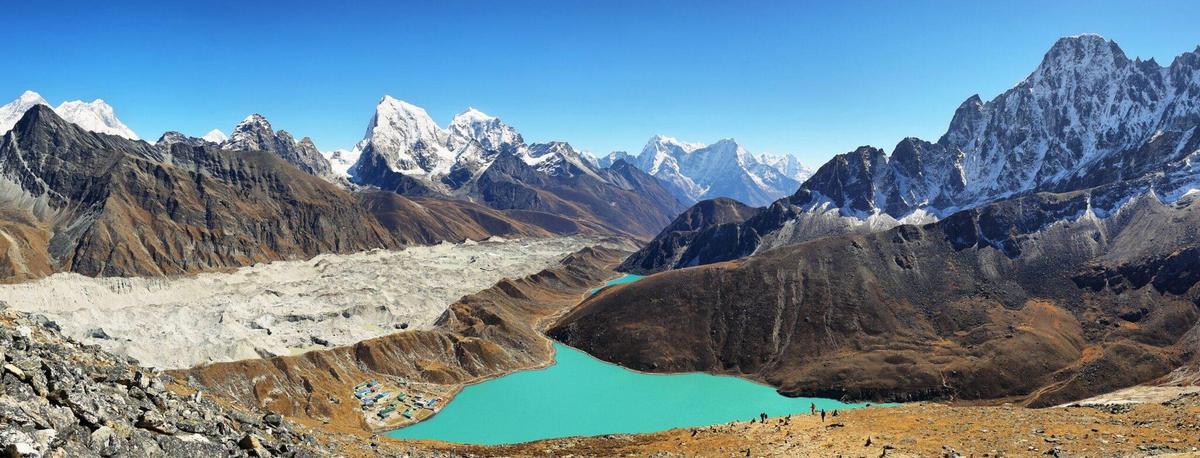
Every trekker cherishes visits to the Gokyo Lakes. The stunning blue-green waters are mesmerizing. Each lake varies in size and name, with Dudh Pokhari often admired. The climb up Gokyo Ri is another highlight. Trekking to the views of the Everest range is worth every step. The villages of Namche Bazaar and Phakding provide cultural experiences. You might discover local foods, customs, and craftsmanship. The views along the way include the Ngozumpa Glacier, the Himalaya’s longest glacier.
Tips for a Flexible Itinerary
While having a set plan helps, flexibility is key. Weather in the mountains can change rapidly. Allow for extra days to manage delays or slowdowns. Flight schedules from Lukla can also vary. There might be times when your trek needs adjustments due to unexpected events. Listen to your body. Adjust the pace as needed to avoid altitude sickness.
The Gokyo Ri Trek remains unforgettable due to its panoramic views and vibrant trails. Planning ensures you maximize the experience. It makes each step and climb worthwhile.
What Makes the Gokyo Ri Trek Different from the Everest Base Camp Trek?

The Gokyo Ri Trek is a quieter alternative to the Everest Base Camp Trek. Both routes start through the Khumbu and pass Namche Bazaar, but they serve different travelers. EBC is best if reaching the famous base camp is your main goal. Gokyo is better if you want lakes, glacier scenery, fewer crowds, and one of the strongest panoramic viewpoints in the Everest region.
| Question | Choose Gokyo Ri if… | Choose Everest Base Camp if… |
|---|---|---|
| Main goal | You want lakes, views, and quieter trails | You want to reach the iconic base camp |
| Scenery | Turquoise Gokyo Lakes, Ngozumpa Glacier, Everest panorama | Khumbu villages, monasteries, glacier moraine, Base Camp |
| Crowds | Generally quieter than the main EBC trail | Busier in peak spring and autumn seasons |
| Best add-on | Combine with EBC via Cho La Pass if experienced | Add Kala Patthar or Gokyo if time allows |
Differences in Terrain and Altitude
The Gokyo Ri trek takes you through a different landscape compared to the iconic Everest Base Camp trek. Gokyo features stunning glacial lakes, high-altitude valleys, and a less crowded path. While the Everest Base Camp trek peaks at the base camp itself, which sits at an altitude of 5,364 meters, Gokyo Ri offers an ascent to 5,357 meters. The altitude gain on the Gokyo trek is more gradual, which some find easier to manage.
Unique Scenic Highlights on the Gokyo Trek
The Gokyo Ri trek offers unique scenery that you won’t find on the Everest Base Camp trail. One of the main highlights is the stunning view of the turquoise Gokyo Lakes. These pristine glacial lakes are some of the highest in the world. Another highlight is the view from Gokyo Ri itself, offering panoramic vistas of four 8,000-meter peaks: Everest, Lhotse, Makalu, and Cho Oyu. The Ngozumpa Glacier, the largest glacier in the Himalayas, winds through this region, adding to the trek’s breathtaking beauty.
Cultural Experiences and Village Life
Walking through the Gokyo Valley, you’ll discover a quieter side of the Khumbu region. The trail passes through traditional Sherpa villages, offering a glimpse into local life. Dole, Machhermo, and Gokyo Village are key stops where you can experience Sherpa hospitality. Unlike the busier trek to Everest Base Camp, the Gokyo route feels more intimate and undisturbed.
Trekking Routes and Access Points
The Gokyo Ri trek can be accessed from Lukla, starting just like the Everest Base Camp trek. However, it veers off at Namche Bazaar, the bustling Sherpa capital, allowing trekkers to explore lesser-trodden paths. Some adventurers choose to combine the two treks, trekking to Everest Base Camp through Gokyo and then crossing the Cho La Pass, which is challenging but rewarding.
Challenges and Preparation Requirements
Though the Gokyo trek is considered less crowded, it still presents challenges. The Gokyo Lakes trek is around 12 to 14 days long. The path includes steep climbs, especially when ascending Gokyo Ri, which tests even seasoned hikers. So, is Gokyo Ri difficult? Yes, it requires physical stamina and good acclimatization to prevent altitude sickness. Preparing for these challenges includes training, proper gear, and understanding the trek’s demands.
In essence, the Gokyo Ri trek provides a distinctive experience. It offers solitude, unique vistas, and cultural immersion. While the Everest Base Camp trek is iconic for its fame and views of the mighty Everest, Gokyo Ri charms with its serene beauty and peaceful trails. Choosing between the two depends on what you’re looking to experience in the Himalayas. If you seek a mix of adventure, culture, and stunning landscapes without the crowds, Gokyo might be your ideal trek.
What Are the Costs and Necessary Preparations for the Gokyo Ri Trek?
Budgeting for your Gokyo adventure begins with understanding the basic costs. The Gokyo Ri Trek attracts adventurers with its stunning views, but financial planning is key. Many trekkers ask, “How much does the Gokyo Ri trek cost?” Expect to spend between $1000 to $2000, depending mostly on personal choices and duration. This range includes costs for flights, food, lodging, permits, gear, and guides.
Understanding Costs: Permits, Guides & Gear
Before you hit the trail, you’ll need a few permits. The Sagarmatha National Park Entry Permit costs $30. You’ll also need a TIMS card, which is $20 if trekking solo. Hiring a guide costs more but adds safety. Expect to pay around $30 per day, plus their food and lodging. If you prefer solo trekking, research thoroughly and be prepared with maps and guides.
Gear is another important expense. Warm clothes and sturdy boots are essential. If you don’t have gear, renting is cheaper than buying. In Kathmandu or Namche Bazaar, you can rent boots, poles, and jackets. Make a list and check if renting or buying suits your budget better.
Tips for Budget-Friendly Trekking
Budget-friendly trekking involves making smart choices without sacrificing essentials. Consider going during the off-season to save on lodging. Carry some high-energy snacks to cut back on buying treats on the trail. Choose teahouses over lodges for a cheaper and authentic stay. Negotiating gently for better room rates can also save you money.
For a more genuine experience, try local meals. Dal Bhat, a staple meal, is nutritious and affordable, usually allowing free refills. By opting for this, along with soup or noodles, you maintain energy while saving your pennies.
Essential Gear and Where to Rent
Proper gear ensures safety and comfort on your trek. At a minimum, you’ll need trekking boots, warm layers, a sleeping bag, and a backpack. If you’re considering renting, shops in Kathmandu or Namche Bazaar offer both quality and variety. Inspect carefully when choosing rental gear to ensure everything fits well and is in good condition.
Consider investing in quality socks. Your feet bear the brunt, so comfort is non-negotiable here. You might also rent a good-quality down jacket if you expect very cold nights. Trekking poles can reduce strain on your knees, especially during descents.
Local Tips for Cost-Effective Lodging and Meals
Trekkers often seek advice on finding good food and lodging without overspending. Use teahouses, which cost around $5 to $20 per night. These offer simple yet cozy facilities. For meals, sticking to local cuisine helps keep costs down. Western food is more expensive and often not as satisfying after a long trek.
Chat with other trekkers for insights and to share costs. Group travel can help split guide fees and expenses. Additionally, carrying a water purifier means you won’t need to buy bottled water along the trail. This saves money and reduces plastic waste.
For a deeper cultural experience, engage with teahouse owners. They often share advice on the trail, weather, and more. Some might offer discounted rates or special meals if you engage positively or stay longer. This not only enriches your experience but can further stretch your budget.
How Can You Overcome the Challenges of Trekking Gokyo Ri?
The Gokyo Ri trek is both stunning and challenging. Many ask about the trek’s difficulty. It’s important to know what to expect and how to deal with what comes your way. Here are key points on how to face and overcome these challenges.
Assessing the Gokyo Ri Trek Difficulty
Is the Gokyo Ri trek difficult? Yes, due to its high altitude and varying terrain. The trek reaches over 5,000 meters. At this height, breathing becomes harder. The trail itself is rocky and steep in parts. Despite these obstacles, the trek is rewarding with unmatched views of Everest and the serene Gokyo Lakes.
To prepare, know your fitness level. Trekking hills, running, or cycling can build your endurance. Strength training helps manage the tough terrain. Understand that this trek requires a decent fitness level. It’s not about rushing, but about pacing yourself.
Physical and Mental Preparation
Physical readiness is vital, but mental strength matters too. Trekking requires patience and resilience. You need to handle unforeseen challenges or setbacks calmly. Visualize success and be positive. Train your mind to stay calm under pressure. Imagine the calm lakes and mighty peaks as motivation.
Training with a pack close to the weight you will carry is wise. It builds stamina and gets you used to the feel. Walking up and down hills with your pack will help prepare you.
High-Altitude Tips for Gokyo Trekkers
At high altitudes, oxygen is less. This can cause altitude sickness. Symptoms include headaches and tiredness. To prevent this, trek slowly and allow your body to adjust. Hydrate often, more than you usually would.
Acclimatization days are crucial. These days help your body adapt to the high altitude. Utilize these days to rest and explore local villages slowly. Most importantly, listen to your body. If symptoms worsen, descend to a lower altitude.
Managing Weather Challenges
Weather in the Gokyo region can be unpredictable. It can change quickly, from sunny skies to snowfall. Check weather forecasts often and plan accordingly.
Bring sturdy, waterproof gear. Layers are useful to adapt to changing temperatures. Wind and waterproof jackets are lifesavers. They shield you from cold winds and sudden rain. Quality trekking boots are essential. They prevent slips and blisters, making the walk smoother.
Staying Safe and Healthy on Your Trek
Safety should always be your top priority on the Gokyo Ri trek. A well-stocked first-aid kit is essential. Include plasters for blisters, antiseptic, and any personal medication you need.
Stay informed about your route. Maps or GPS devices are useful tools. Insurance is a must for trekking due to possible emergencies. It should cover high-altitude trekking and rescue if needed.
While trekking alone offers freedom, consider hiring a guide. Guides know the terrain. They provide insight into culture and safety. Additionally, a guide can offer first-hand help and support if required.
Food safety calls for attention too. Eat at places with high turnover to avoid stale goods. Stay hydrated by using water purification tools or drinking boiled water.
Trekking Gokyo Ri is an unforgettable journey. By preparing for its challenges, you ensure a safe and enjoyable experience. Remember, every step brings breathtaking views and memorable stories. Adjust your pace, respect your limits, and cherish the experience awaiting you.
When and Why Should You Trek to Gokyo Ri?
If you’re wondering when to trek to Gokyo Ri, the seasons speak volumes. Fall (September to November) and spring (March to May) are the ideal times. During these months, the skies clear up, offering stunning views of the Himalayas. The temperatures are moderate, making it easier to trek. These factors contribute to an unforgettable experience when you visit Gokyo Ri during these seasons.
How long does it take to climb Gokyo Ri? It usually takes around 4 to 5 hours from Gokyo village to Gokyo Ri and back. The trek requires stamina because of its steep and rocky paths. Yet, the panoramic views of Everest, Lhotse, and Makalu at the top make the effort rewarding. Starting your hike early in the morning is advisable to enjoy the sunrise over the mountains, adding a magical touch to the journey.
Weather patterns play a crucial role in the trek to Gokyo Ri. As you ascend, temperatures drop significantly, especially at night. Winter, from December to February, brings heavy snow, which could cause closures of trails. Monsoon season, from June to August, sees heavy rain. This leads to slippery paths and possible landslides. Thus, it’s less advisable to trek during these times.
Each season has unique advantages for trekking. In the fall, the cool breeze and crystal-clear skies maximize the viewing experience. Spring introduces a different charm with blooming rhododendrons lining the paths. For those who love solitude, winter might appeal. However, it requires high resilience to cold and potential isolation.
Understanding the crowd levels can enhance your trekking experience. Gokyo Ri is serene compared to the more popular Everest Base Camp. Trekking in fall or spring typically attracts more adventurers, making trails busier. For a quieter experience, winter provides fewer crowds despite tougher conditions. Such solitude offers a more personal connection to the majestic landscapes around you.
Preparing for random weather changes might seem daunting but is necessary. Weather in the Himalayas can be unpredictable. Packing rain gear and layered clothing can help manage sudden shifts in conditions. Being in constant communication with guides and checking weather forecasts is key for safety. They help navigate changes and ensure you stay comfortable during unexpected weather.
In summary, choosing when to trek to Gokyo Ri depends on what you want: stunning views in clear weather, nature’s blossoms in spring, or a quiet winter adventure. Each season offers something unique, and understanding weather patterns can prevent unwanted surprises. With the right gear and informed decisions, your trek to Gokyo Ri can be both safe and unforgettable.
How Can You Immerse Yourself in the Culture and Nature of Gokyo Ri?
Trekking to Gokyo Ri offers an amazing chance to learn and see new things. The journey not only takes you through stunning landscapes but also through rich cultural experiences. Let’s dive into what makes the Gokyo Ri Trek unforgettable.
Exploring the Unique Villages on the Trail
As you walk towards Gokyo Ri, you pass through wonderful villages. The villages like Namche Bazaar and Dole are full of life and history. They are home to the Sherpa people, who are famous for their friendliness and strength. They live in beautiful wooden houses that seem to blend perfectly with the stunning mountain backdrop.
While walking, you might hear stories of past trekkers and climbers. Locals often share tales of their adventures in the towering Himalayas. Each village you visit offers a glimpse into the daily life of the people. You see farmers tending yaks and women spinning wool for winter clothing. Walking through these villages feels like stepping back in time to a simpler life.
Cultural Norms to Respect During Your Trek
Respecting cultural norms during your trek is very important. The Sherpa people follow Tibetan Buddhism and hold certain customs dear. When visiting a monastery or a sacred site, always walk clockwise around it. This practice is known as circumambulation and is a sign of respect. Also, remember to remove your shoes before entering homes and monasteries.
Greeting locals with a “Namaste” and a smile is appreciated. It’s a simple gesture that shows respect and kindness. When offered food or drink, accept it with gratitude. Sharing a meal is a very social and important aspect of Sherpa culture. It might be polite to leave just a little bit of food on your plate to show you are satisfied.
Spotting Wildlife and Natural Beauty
The trek to Gokyo Ri is a treat for nature lovers. The area is rich with diverse wildlife and towering peaks. You might spot the colorful pheasant, Nepal’s national bird. Blue sheep wander the slopes, while eagles soar above.
The natural beauty includes more than just mountains. You will see waterfalls, dense forests, and the famous turquoise Gokyo Lakes. These lakes are sacred to both Hindus and Buddhists and reflect the snow-capped peaks around them. Walking alongside these lakes is a serene experience you will not forget.
As you journey higher, the views become even more breathtaking. From the top of Gokyo Ri, you can gaze at the majestic Everest and neighboring peaks. This is one of the best viewpoints in the world—a 360-degree view of the Himalayas.
Connecting with Local Traditions and Practices
Connecting with local traditions enriches your trekking experience. The Sherpa people celebrate various religious festivals with music, dance, and prayers. If you’re lucky, you might witness a local festival with its colorful costumes and lively dances.
The Sherpa people also practice deep spiritual rituals. Prayers are often chanted in the early morning, accompanied by the sound of large prayer wheels. These moments of spirituality add a layer of peace to your trek. Participating in such rituals, even as a quiet observer, can be an enlightening experience.
Sustainable and Eco-Friendly Trekking Practices
Being eco-friendly is very important during your trek. The pristine beauty of the Himalayan region needs protection. Carry a reusable water bottle and filter your water to reduce plastic waste. Many lodges offer safe water stations for trekkers.
Respect the trails by staying on the marked paths. This helps to preserve the environment and avoid disturbing wildlife habitats. Proper waste disposal is crucial; always carry your trash until you can dispose of it properly in the villagers’ recycling spots.
Choosing to stay in locally-owned lodges supports the community. It helps the local economy and furthers sustainable tourism. You are not only enjoying their hospitality but also giving back in a meaningful way.
By trekking mindfully, respecting locals, and caring for the environment, the Gokyo Ri trek becomes more than just an adventure. It transforms into a journey of cultural immersion and appreciation of nature. As you walk these sacred trails, every step becomes a story, every view a memory. Each interaction with the local people becomes a cherished part of your journey.
Conclusion
Planning your perfect Gokyo Ri trek requires smart planning, realistic pacing, and cultural awareness. From understanding the trek duration to choosing acclimatization days, route options, gear, and budget, each detail shapes your experience. The Gokyo route is especially strong for trekkers who want Everest-region scenery with fewer crowds than the classic base camp trail.
Gokyo Ri Trek planning checklist
- Choose spring or autumn for the best balance of views and trail conditions.
- Build in acclimatization time at Namche Bazaar and higher on the route.
- Confirm whether you want only Gokyo Ri, Gokyo Lakes, or the full Gokyo-EBC route.
- Compare costs, inclusions, guide support, permits, flights, and contingency days.
- Pack for cold mornings, strong sun, wind, and sudden weather changes.
- Buy travel insurance that covers high-altitude trekking and emergency evacuation.
- Ask your operator how they handle Lukla flight delays, altitude symptoms, and route changes.
If you want a quieter Everest-region trek with lakes, glacier scenery, and a major viewpoint, start with our Gokyo Lake Everest Base Camp Trek. If your priority is the classic route to base camp, compare it with our Everest Base Camp Trek.