Your Himalayan Adventure Awaits.

Secure Your Spot for 2025 EBC Trek!
MENU

TL;DR:

  • Annapurna Circuit: 16-18 days, 160-230 km, demanding altitude at Thorong La Pass (5,416m), diverse landscapes.
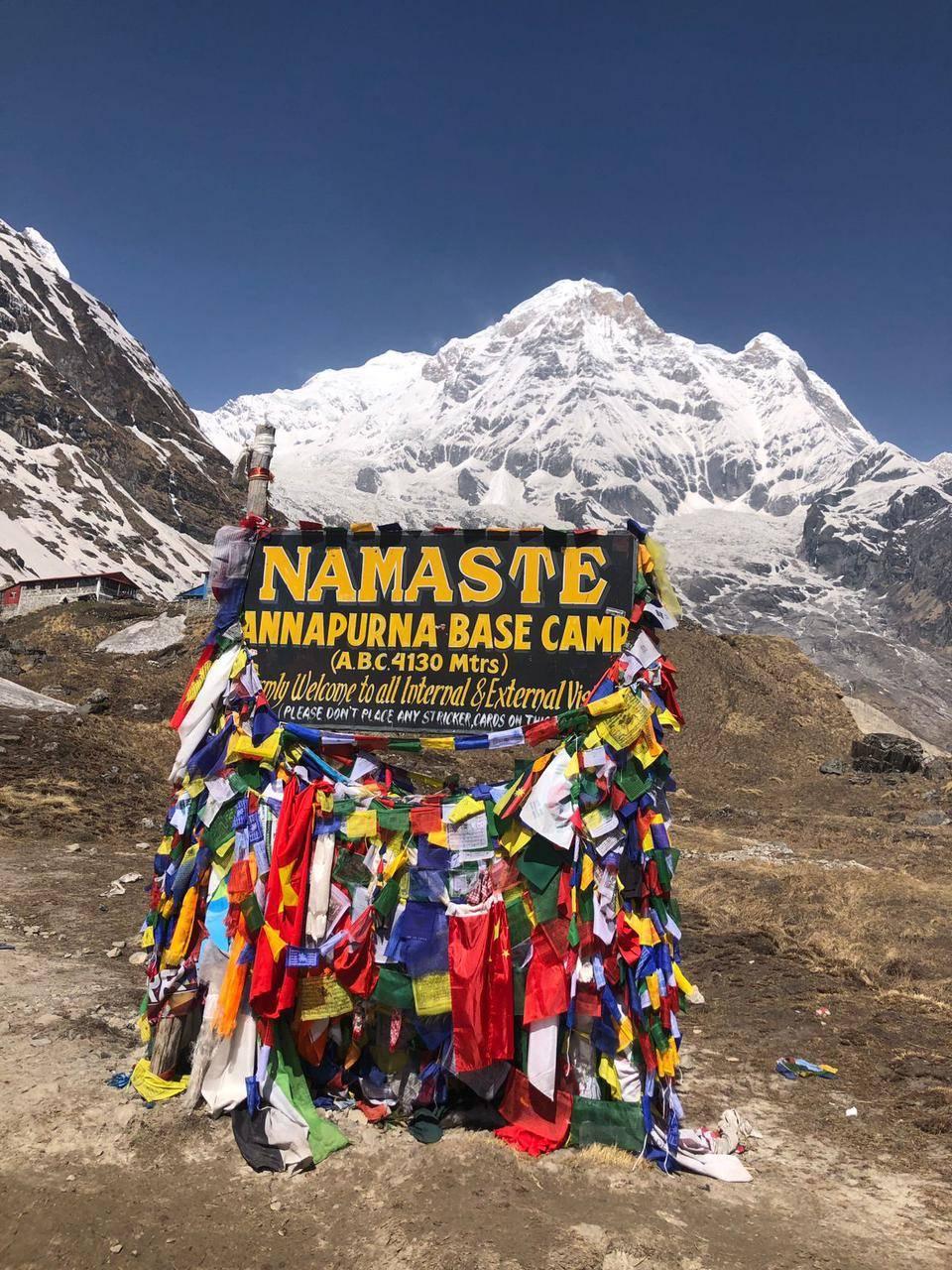
  • Annapurna Base Camp: 7-12 days, reaches 4,130m, scenic mountain amphitheater, moderate difficulty.
  • Short Treks:
    • Ghorepani Poon Hill: 3-5 days, scenic sunrises, busy during peaks.
    • Mardi Himal: 5-7 days, quieter, close views of Fishtail Mountain.
    • Khopra Danda: 5-7 days, peaceful, community lodges.
  • Remote Treks:
    • Tilicho Lake, Nar Phu Valley: Cultural solitude, require permits.
    • Upper Mustang: 10-12 days, preserved Tibetan culture.
    • Jomsom-Muktinath: 5-7 days, cultural sites, serene landscapes.
  • Best Seasons: Autumn (Sep-Nov), Spring (Mar-May).
  • Permits & Guides: ACAP, TIMS, licensed guide mandatory.
  • Packing: Layered clothing, reliable sleeping bag, trekking poles.
  • Health & Safety: Hydration, acclimatization, insurance coverage.
TrekDaysHighest pointDistance (approx.)DifficultyBest seasonPermits
Annapurna Circuit16–185,416 m (Thorong La)160–230 kmChallengingSep–Nov, Mar–MayACAP, Guide + TIMS
Annapurna Base Camp (Sanctuary)7–124,130 m~110 kmModerateSep–Nov, Mar–MayACAP, Guide + TIMS
Ghorepani Poon Hill3–53,210 m~40–50 kmEasy–ModerateSep–Nov, Mar–MayACAP, Guide + TIMS
Mardi Himal5–74,500 m (viewpoints)~40–50 kmModerateSep–Nov, Mar–MayACAP, Guide + TIMS
Khopra Danda5–7~3,660 m~40–60 kmModerateSep–Nov, Mar–MayACAP, Guide + TIMS
Nar Phu (restricted)12–155,091 m~80–100 kmChallengingSep–Nov (prime)Restricted permit + ACAP, Guide + TIMS. (Nepal Tourism Board)
Upper Mustang (restricted)10–12~4,200 m~80–100 kmModerateMay–Oct (rain-shadow)Restricted permit + ACAP, Guide + TIMS.

Wondering which Annapurna Region treks might suit you best? As someone who’s trekked these trails, I know the choices can seem overwhelming. With paths like the Annapurna Circuit, Ghorepani Poon Hill, and Mardi Himal, there’s a trek for every adventurer. This guide helps you find the perfect match based on your time, fitness, and interests. Let’s make your journey through Nepal’s culture and landscapes unforgettable!

Which Annapurna Region Treks Are Best for Your Time, Fitness, and Interests?

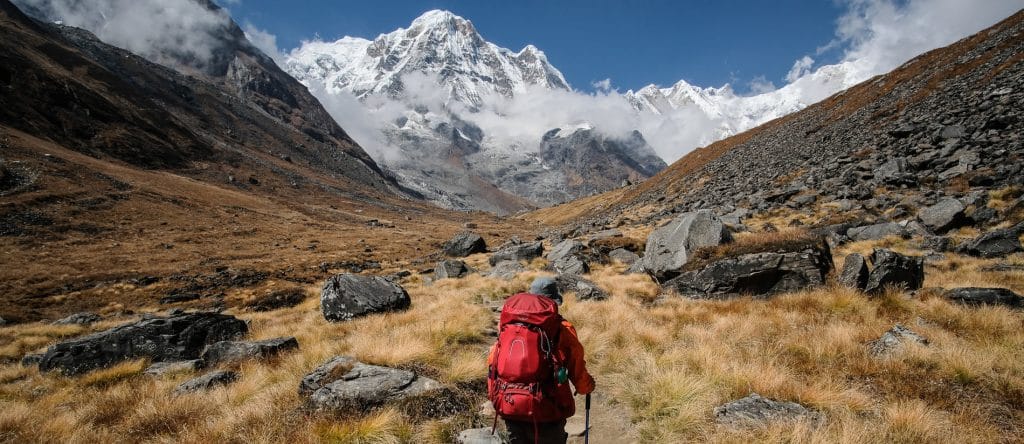
Annapurna region treks offer some of the most breathtaking routes in Nepal, perfect for trekkers of all experience levels. Choosing the right trek in the Annapurna region depends on various factors such as time availability, fitness level, and personal interests. The annapurna circuit trek is a classic choice, renowned for its diverse landscapes, ranging from subtropical forests to high-altitude desert valleys. It demands a significant commitment of time and physical stamina, typically taking 16 to 18 days to traverse its 160–230 km length, with its highest point at Thorong La Pass (5,416 meters). In contrast, the annapurna base camp trek offers a shorter, yet intense journey lasting about seven to 12 days, reaching a lower maximum altitude of 4,130 meters and focusing more on the dramatic amphitheater of mountains surrounding the Annapurna Sanctuary.

How do Annapurna Circuit and Annapurna Sanctuary (ABC) compare on duration, difficulty, highest point, distance, scenery, and teahouses?

When comparing the annapurna circuit trek and the annapurna sanctuary trek, both offer distinct experiences. The Circuit is longer and generally more challenging, especially at higher altitudes. Its highest point, Thorong La Pass, provides sweeping views of the Annapurna and Dhaulagiri ranges. The route can cover up to 230 km and generally spans 18 to 22 days, putting it firmly in the “challenging” category.

In contrast, the annapurna base camp trek, also known as the Annapurna Sanctuary trek, is shorter and slightly easier on the knees. A trek into the serene sanctuary takes around nine to 13 days, with daily walks averaging four to six hours. Although it reaches up to 4,130 meters, the moderate difficulty level makes it a popular choice for trekkers with limited time who still seek breathtaking vistas. Both treks have a well-developed network of teahouses, offering simple but cozy accommodation and meals, such as the perennial favorite, dal bhat.

Popular Annapurna Treks in Nepal

Explore top Annapurna treks like Base Camp, Circuit, and Sanctuary—each offering stunning Himalayan views and unique experiences.

Which short classics (Poon Hill, Mardi Himal, Khopra Danda) fit 3–7 days—and how crowded are they?

For trekkers with less time, the ghorepani poon hill trek is an ideal option, easily completed in about three to five days. Known for its sunrise views over the Annapurnas and Dhaulagiri, it’s a busy route, especially in peak seasons. The steady flow of trekkers is balanced by the cultural encounters in the lively Gurung villages along the way.

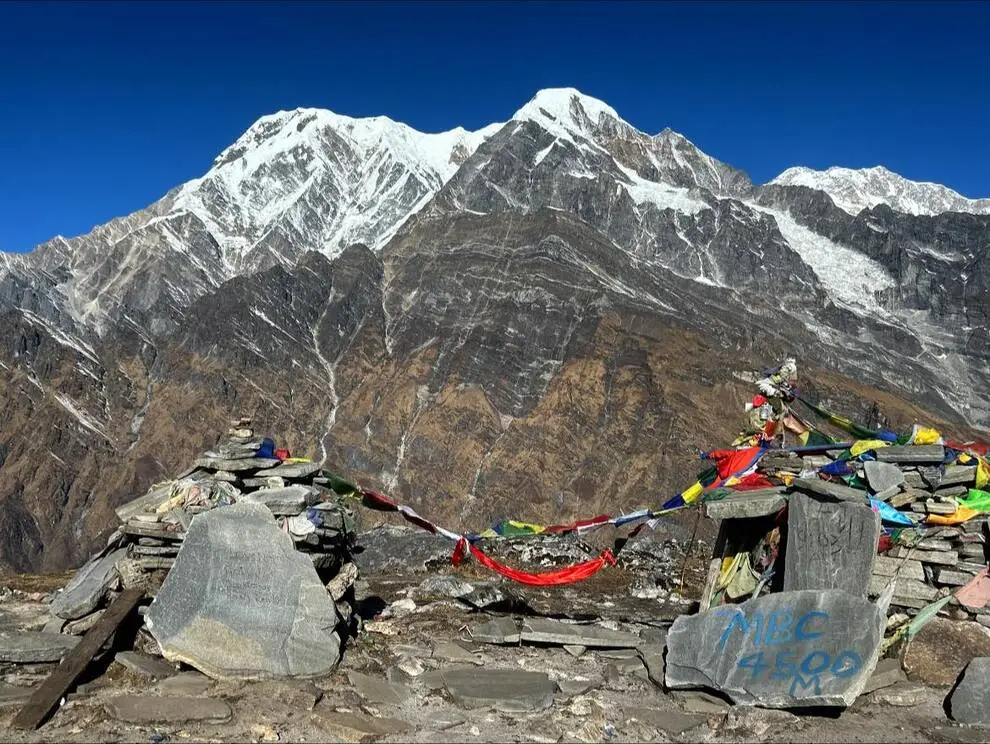
The mardi himal trek offers a quieter, less-trodden alternative. Taking five to seven days, this route delivers stunning close-ups of Machhapuchhre (Fishtail Mountain) with fewer crowds, allowing for a tranquil experience. It passes through rhododendron forests that seem to set the hills ablaze during the spring bloom.

Equally enticing is the khopra danda trek, a hidden ridge trail that unveils panoramic views of the Kali Gandaki Valley and lofty peaks like Nilgiri, offering a peaceful retreat away from the usual hustle. The relatively new “community lodge” concept here enriches the experience with local hospitality over five to seven days of trekking.

Short Classic Treks in Nepal

Choose from short treks like Poon Hill, Mardi Himal, and Khopra Danda—ideal for 3–7 days with stunning views and fewer crowds.

Are Tilicho, Nar‑Phu, Upper Mustang, or Jomsom–Muktinath worth adding for culture, desert scenery, and solitude?

Each of these treks boasts unique features for those seeking cultural depth and solitude. The tilicho lake trek offers a side adventure from the Annapurna Circuit to one of the highest lakes in the world at 4,919 meters. It’s an awe-inspiring diversion that showcases barren glacial beauty.

The nar phu valley trek is a secluded escape into raw Tibetan culture, nestled amidst the Annapurna Conservation Area. Spanning 12 to 15 days, this trek requires special permits due to its restricted-area access but rewards with stone villages, yak herding settlements, and ancient monasteries.

For a journey through Nepal’s “forbidden kingdom,” the upper mustang trek winds through a high-altitude desert landscape similar to the Tibetan Plateau. This 10 to 12-day trek offers a window into preserved Tibetan culture with its dramatic scenery and is less trodden compared to the Circuit.

Finally, the jomsom muktinath trek combines cultural pilgrimage with natural beauty across 5 to 7 days. Trekkers visit Muktinath Temple, a sacred site for both Hindus and Buddhists, amid the breathtaking backdrop of the snow-capped Annapurnas. This route is busiest near Thakali villages but offers the quiet solace of the Kali Gandaki Gorge’s arid terrain.

Local Insights

Treks like the Khopra Danda and Mardi Himal are perfect if you prefer a quieter journey. Consider spending a night at the Tibetan-run teahouse at Khopra Ridge, where the stars feel tangibly close. Immerse yourself in homestays in villages like Ghandruk or Marpha, where traditional Nepali hospitality shines through steaming cups of sweet tea served with warm smiles.

No matter your choice, the Annapurna region promises a blend of adventure and introspective serenity, each trek unveiling different layers of culture and nature. Whether it’s the thrill of high passes or the meditative walks among rhododendrons, the mountains have a way of leaving a lasting impression beyond the camera’s frame.

When is the best season for Annapurna treks and what weather should you expect?

The best time for Annapurna Circuit and Annapurna Base Camp treks is typically during the autumn months of September to November and the spring season from March to May. These periods provide stable weather and clear mountain views, enhancing your trekking experience. In autumn, after the monsoons retreat, the skies open up revealing expansive vistas, such as the towering Annapurna massif and the formidable Thorong La Pass. Statistics point to over 60% of trekkers choosing this season due to its favorable conditions. Similarly, spring invites trekkers to witness the spectacle of rhododendron blooms, carpeting areas like Poon Hill in a sea of pinks and reds, enriching the visual experience.

What are the prime weather windows for the Circuit, ABC, and Mustang—and what are the shoulder‑season trade‑offs?

For the Annapurna Circuit, including Thorong La Pass, and the Annapurna Base Camp (ABC), autumn and spring offer the most reliable conditions. September to November greets trekkers with post-monsoon clear skies, moderate temperatures, and vibrant landscapes, while March to May promotes a warmer climate perfect for viewing diverse flora such as rhododendrons at Poon Hill. However, shoulder seasons like late November and early March feature quieter trails and offer unique perspectives, albeit with cooler temperatures and less predictable weather.

The Upper Mustang region benefits from the rain shadow effect of the Annapurna and Dhaulagiri ranges, allowing trekking even during the monsoon from June to August. Here, trekkers experience dry trails and access to the culturally rich Tibetan-influenced villages. Though this can mean trading denser attractions for more isolation, it creates opportunities for distinct cultural interactions and a deeper immersion into local Tibetan-Buddhist traditions.

How do monsoon rains and winter cold affect trail conditions, avalanches, and potential pass closures?

Monsoon trekking in Annapurna, from June through August, brings a host of challenges. Rains can lead to slippery paths and leeches in lower altitudes. The trails become considerably more challenging due to frequent landslides, especially in areas like the Modi Khola Valley leading to ABC. Conversely, heavy winter snows from December to February often cloak passes like Thorong La with snow, increasing the risk of avalanches and causing pass closures, sometimes extending up to early April. Historically, Thorong La has closed several times mid-winter due to heavy snowfall. Ensuring you have detailed weather forecasts from sites like the Department of Hydrology and Meteorology can aid planning.

Winter trekking in Annapurna requires rigorous preparation for extreme temperatures, particularly at high altitudes. With temperatures dropping well below freezing, ensuring safety through suitable gear is essential. For instance, several local tea houses recommend carrying crampons for icy conditions when planning winter hikes at higher elevations.

Where can you check reliable forecasts for high passes like Thorong La before committing to a crossing?

Before tackling high-altitude sections like Thorong La Pass, checking accurate weather forecasts is crucial. Resources such as the Mountain Forecast for Thorong La, updated regularly, can provide insights into expected snow conditions, wind speeds, and sudden temperature drops. The Department of Hydrology and Meteorology’s website is another valuable resource for comprehensive weather updates. Additionally, the Himalayan Rescue Association offers on-ground advice and also communicates current trail and weather conditions, crucial for safely navigating the pass.

Locals often provide an unparalleled vantage point on weather. For instance, guides in Manang or Yak Kharka are attuned to shifts in climate conditions, offering first-hand insights that often predict upcoming weather patterns with remarkable accuracy. Such local expertise is indispensable in planning safe and enjoyable trekking experiences through the captivating yet challenging terrains of the Annapurna region.

What permits, guide rules, and transport do you need before you start?

To embark on any Annapurna trek, including the Annapurna Circuit, several permits are essential: the Annapurna Conservation Area Permit (ACAP), the Trekkers’ Information Management System (TIMS) card, and, for certain routes like Nar-Phu Valley and Upper Mustang, restricted-area permits. ACAP is necessary for all trekkers in the Annapurna region and costs around NPR 3,000 for foreigners. The TIMS card, required to ensure safety and manage trekking in Nepal, is priced at NPR 2,000 when trekking in a group with an agency. Both permits can be efficiently obtained in Kathmandu or Pokhara through the Nepal Tourism Board offices. For treks like the Nar-Phu Valley, the restricted-area permit is priced at USD 100 per week per person and only issued through registered agencies, coupled with the stipulation of having a licensed guide.

Since April 2023, Nepal mandates that all trekkers in mountain regions travel with a licensed guide to bolster safety and enhance local job opportunities, thus ending the era of independent trekking. Hiring a guide is straightforward through your trekking agency or directly in key hubs like Pokhara. On average, the daily rate for an Annapurna trek guide is between USD 30 to 35, reflecting factors like experience and language proficiency. For those desiring additional support, hiring a porter is also popular. Porters usually charge around USD 20 to 25 per day and can carry up to 15kg of gear. It is essential to engage operators who not only comply with fair pay and work conditions but also respect weight limits, ensuring the well-being of the porters.

Accessing the beginning of your trek requires careful logistical planning, partly dictated by road conditions and transportation availability. The Annapurna Circuit traditionally starts near Besisahar, accessible by a bus ride from Kathmandu, which takes approximately 6-8 hours. Weather and road conditions can sometimes make this journey unpredictable, so checking current updates is wise. Practical challenges also exist for the segment from Besisahar to Chame, where jeep roads periodically suffer from landslides.

To reach trailheads like Nayapul for the Annapurna Base Camp or Poon Hill treks, a jeep or bus can be arranged from Pokhara, a bustling city near the Annapurna region offering luggage storage services for trekkers wanting to secure belongings during their adventure. Facilities like Trekkers’ Lounge in Pokhara provide trusted storage solutions.

For those concluding their trek in Jomsom, direct flights back to Pokhara are timely and scenic when operational; however, they can be subject to cancellations due to weather, particularly in monsoon or winter. Always monitor flight statuses closely or be prepared to opt for a scenic, albeit longer, overland journey back to Pokhara if necessary.

Immersing in Annapurna’s breathtaking landscapes and rich cultural tapestry is a genuine privilege, but preparation is key. Understanding the regulatory, logistical, and environmental aspects ensures a rewarding and ethical trekking experience aligned with both your personal goals and Nepal’s community and conservation standards.

How should you plan your Annapurna Circuit itinerary, acclimatization, and side trips?

Planning your Annapurna Circuit trek itinerary starts with deciding on a 14-day schedule that includes acclimatization days and highlights key overnight stops. Typically, this trek is done anticlockwise for a more gradual ascent to the Thorong La Pass, which stands at 5,416 meters. This path ensures a safer degree of altitude adjustment compared to a clockwise route. The trek begins at Besisahar (760 meters) and intends to end in Pokhara, covering an approximate distance of 160 to 230 kilometers, depending on your chosen detours.

On the third day of an ideal 14-day itinerary, trekkers reach the village of Pisang (3,200 meters), where the choice of resting for an acclimatization day can prevent altitude sickness. However, more popular among trekkers is the acclimatization day in Manang (3,519 meters), as recommended by seasoned guides due to better trail accessibility and richer cultural experiences. Spending time here offers opportunities to explore high-route side trips, including the Ice Lake hike, which helps the body adjust to elevations experienced later in the journey.

Key side trips like a visit to Ice Lake from Manang stand out in acclimatization strategy. The trail rises to about 4,600 meters and offers picturesque views of Annapurna II and Gangapurna, bridging cultural exchanges with the locals brewing yak butter tea right at the lake’s edge. Another highly regarded side trip is Tilicho Lake, accessible via the village of Shree Kharka. The trek to Tilicho adds about two or three days to your itinerary but rewards with views of one of the highest situated lakes in the world, surrounded by dramatic, snow-laden peaks. Its path demands attention to weather conditions, especially in the moraine fields, where avalanches are a legitimate concern. Checking the local weather forecast, such as from the Himalayan Weather Information System, helps plan safe crossings.

For those pondering whether to take this Tilicho Lake detour, it’s worth noting the device of following on seasoned trails that promote gradual gains in altitude. Adaptations on the trek include pacing slowly from Shree Kharka to Tilicho Base Camp (4,150 meters) and keeping an extra day in your schedule for weather-induced delays. Acclimatization around Tilicho necessitates supplemental oxygen carried personally or available at nearby tea houses, recognized as a safety net by trekkers.

Considered crucial to preparing for the Annapurna Circuit’s most arduous segment—the Thorong La Pass—is engaging in acclimatization hikes around Manang. The Upper Pisang to Ghyaru to Ngawal trail is particularly advantageous, boasting altitude gains of over 1,000 meters at points, and panoramic views that range miles across the Annapurna ranges.

Manang’s acclimatization bunks offer practical, cultural interactions. Tea houses like the esteemed Mountain Hawk Lodge serve as social hubs to experience local Saturday dinners, enhancing the mountain narrative within these high-altitude retreats. Trekking guides often stress the value in communicating with lodge hosts or circuit guides regularly, enriching the cultural trill by learning Nepali delicacies and protocols, and reminding all to respect and integrate into local traditions.

Trekking from Manang to the subsequent stop at Yak Kharka (4,040 meters) progresses through alpine landscapes backed by the Merriam-Webster-defined world of nature the Himalayas portray. Expect to taste the freshness of mountain air, hear herds of sheep bleating amid the whispers of wind playing through various mountain shrubs.

Portraying the Annapurna Circuit can never be divorced from the precision involved in map use. Referenced circuit maps with villages mapped-out act as navigational touchstones for understanding elevations. These schematics provide perspective to elevation ascents and descents well before reaching the beginning step. Aiming for Pisang Peak—a side trip—equips trekkers with mountaineering insight, extending antler-shaped rock formations and hanging glaciers on its western flanks.

Furthermore, acclimatization also implies listening to your own rhythm. The everyday endurance needed by Annapurna trekkers recalls memories of peaks climbed by acclaimed past-beacons and prevailing summit narratives. In particular, both descents and ascents from and to high passes require acute awareness of climatic zones. Thorong La’s conditions change rapidly; winds gather, prompting possible avalanches, while snow depths modify daily passage, often dictated by forecasts vital for seasoned travelers.

Overall, crafting a safe and enriching 14-day Annapurna Circuit itinerary involves balancing logistics with introspection. Evolving along ancient paths under the umbrella of formidable mountaintops equally delivers scenic rewards and elemental life lessons. This essence defines the route—as opposed to achieving pure land mileage accomplishments—offering an internal trek parallel to geographic movement for all who embark upon its transformative descent.

How much do Annapurna treks cost and what should you pack?

Understanding the Annapurna Circuit trek cost breakdown is essential for planning, as it includes a variety of expenses like permits, accommodation, and meals. Typically, the total cost for the Annapurna Circuit trek can vary depending on the services and luxuries you choose. On average, trekkers should budget around $20-$40 USD per day, not including flights to Nepal. This total includes accommodation, meals, transportation, and permits.

What’s a realistic daily budget and total cost breakdown (permits, rooms, meals, transport, guide/porter, extras)?

For a detailed annapurna circuit trek cost breakdown, consider the following essentials on a daily budget:

  • Permits: The two main permits needed are the Annapurna Conservation Area Permit (ACAP) and the Trekkers’ Information Management Systems card (TIMS), costing around $30 USD and $20 USD respectively. You can obtain these permits in Kathmandu or Pokhara.

  • Accommodation: Tea houses on the Annapurna Circuit offer basic twin-share rooms for about $3-$5 USD per night. Places like Tal and Manang offer cozy rooms where trekkers often find themselves warming up near a wood-burning stove in the communal area on chilly nights.

  • Meals: Budget approximately $10-$15 USD per day for food on annapurna teahouses. Meals often consist of hearty portions of dal bhat, noodles, Tibetan bread, and momo. Some tea houses, like those in Ghyaru, boast dishes with locally sourced ingredients.

  • Transport: Getting to the starting point in Besisahar from Kathmandu costs around $10-$15 USD on a public bus. A jeep transfer can be more expensive but shortens the journey time. On finishing the trek in Pokhara, the return by bus to Kathmandu costs roughly $8-$12 USD.

  • Guide/Porter: Since 1 April 2023, hiring a guide is mandatory and can range from $20-$25 USD per day. Porters, highly recommended for easing your load, generally charge $15-$20 USD daily. It’s important to choose ethical operators who provide fair wages and conditions.

  • Extras & Miscellaneous: Budget some additional funds for snacks, hot showers, charging electronic devices, and Wi-Fi, which may cost a few extra dollars each.

Including these elements, a conservative estimate is a total of $600–$800 USD for a 15 to 20-day circuit trek. Variables such as the choice of guide service and personal spending habits can influence your total expenditure.

What to pack for Annapurna trekking—and which items can you reliably rent in Kathmandu or Pokhara?

A carefully considered packing list for annapurna trekking can make your journey comfortable and safe. In Kathmandu or Pokhara, you can rent trekking gear like sleeping bags and down jackets if you’re trying to keep your baggage light or avoid purchasing expensive equipment for a single use. Here’s a list of essentials:

  • Clothing: Layered clothing system—thermal base layers, fleece jackets, rainproof outer shells, and a warm down jacket. Weather in regions like Thorong La Pass can be unpredictable, demanding flexibility in your wardrobe.

  • Footwear: Broken-in hiking boots are crucial for comfort and avoiding painful blisters. Additionally, carry multiple pairs of socks, especially warm woolen ones for the higher altitudes.

  • Sleeping Gear: While tea houses provide basic bedding, a high-quality sleeping bag is paramount for warmth at night. Reliable sleeping bag rental pokhara services can be found if you choose not to carry one from home.

  • Trek Gear: Don’t forget trekking poles, a headlamp, sun protection (sunglasses, sunscreen, hat), a multi-purpose knife, and a first aid kit including personal medications.

  • Sim Card and Data: Purchase a local SIM card (NTC or Ncell) with data packages upon arrival in Nepal. This keeps you connected for navigation and communication while trekking through remote areas.

How do you stay healthy at altitude (hydration, water treatment, AMS awareness) and what insurance/rescue cover do you need?

Staying healthy on the trails involves being proactive with hydration, acclimatization, and preparation for altitude-related challenges.

  • Hydration: Always maintain high fluid levels by drinking purified water. Safe drinking water stations annapurna offer a reliable source, or you can use methods like filtering or iodine/chlorine tablets for water purification on annapurna trails. Purchasing bottled water is discouraged due to environmental concerns.

  • Altitude Sickness Awareness: AMS (acute mountain sickness) awareness is vital. Ascend gradually and take rest days, particularly in Manang, which helps acclimatization. Recognize symptoms early—headache, nausea, dizziness—and descend if symptoms worsen.

  • Insurance/Rescue Cover: Trekking insurance for nepal hikes is crucial, covering emergency evacuations and high-altitude medical treatments. Consult companies like the Himalayan Rescue Association for guidance on the specifics of coverage needed for trekking.

Among local tidbits, the sleepy village of Marpha offers an aromatic surprise: the scent of handcrafted apple cider wafts through the air, complementing the visual feast of orchards lining the trails. This blend of cultural experiences and nature’s drama embodies the true spirit of trekking in the Annapurna region.

What are the key FAQs on difficulty, days, and navigation for annapurna region treks?

Understanding the Annapurna region’s trek difficulties, duration, and navigation essentials is crucial for first-time and returning trekkers alike. For beginners asking how hard is annapurna circuit for beginners, difficulty depends largely on physical fitness and acclimatization. The Circuit is challenging due to its high altitude and long daily walks. Starting low at around 760 meters in Besisahar and ascending to 5,416 meters at Thorong La Pass, the trek demands stamina as trekkers face steep climbs and sometimes harsh weather. Beginners should consider training with cardio and strength exercises months in advance. Hiring a licensed guide post-April 2023 not only ensures compliance but provides much-needed expertise and encouragement on tough days.

Trekking the Annapurna Circuit in December is possible but requires proper planning as temperatures drop and snow can make paths slippery. December trekking offers quiet trails and pristine landscapes, but prepare for cold nights that can reach well below freezing, especially at higher altitudes. Good quality gear, including insulated clothing and a durable sleeping bag, becomes vital. Most trails remain open, but weather checks—available from the Department of Hydrology and Meteorology—are recommended for the latest conditions.

The number of days needed for specific treks varies based on starting points in Pokhara. For the popular Poon Hill trek from Pokhara, generally plan for 4–5 days. This trek, charmingly moderate, bestows mesmerizing sunrise views over the Annapurna Massif from the vantage point of Poon Hill, located at 3,210 meters. In Pokhara, tea houses such as the well-reputed Hungry Eye Restaurant offer hearty meals to refuel.

The Mardi Himal trek itinerary can typically be completed in 5 days, making it an ideal choice for those with limited time. The trek features off-the-beaten-path experiences, weaving through rhododendron forests, and culminating at High Camp with breathtaking sights of Machhapuchhre. Gather local insights and trail conditions from guides at Pokhara’s tourism office; their knowledge is invaluable.

Annapurna Base Camp (ABC) trek itinerary is typically a 7-day journey if starting from Pokhara. This route meanders through villages such as Chhomrong, offering close-ups of towering peaks like Annapurna I and Fishtail. The ambiance vibrates with the scent of pines and sound of chirping birds. Tea house accommodations add cultural flavor, offering dal bhat, a local favorite, perfect for long trekking days.

Navigational aids are essential in these remote trails. Reliable maps or GPS tracks can be challenging to find but crucial for safety. The NTNC and TAAN provide resources, including annapurna base camp trek map pdf or annapurna circuit map pdf download options. Alternatively, seasoned trekkers can donate or share insights on maps and guides. For live tracking, Trekkers rely on applications that allow offline use, ensuring no data dead zones hinder navigation.

Before embarking on treks, confirming the routes are current is imperative. The annapurna circuit is open now for most parts, but conditions can change. Consulting local tourism boards or reliable online sources such as the Nepal Tourism Board provides peace of mind and route updates. Equally vital are the poon hill sunrise time today—knowledge gained directly at trek checkpoints or online, ensures you witness the day’s first light on the peaks without missing a beat.

In sum, while the Annapurna region is revered for its diverse treks—demanding both physically and logistically—thorough preparation transforms challenges into an enriching adventure. Safety, eco-responsibility, and cultural respect underpin successful journeys here. With guidance from seasoned locals and essential services in Pokhara, trekkers are well-equipped to embrace Nepal’s mountain magic.

Conclusion

Exploring the Annapurna region offers diverse treks for your time, fitness, and interests. Trekking here requires knowing the best season, permits, and proper planning. From thrilling Tilicho Lake views to cultural Nar-Phu valleys, choices abound. Costs vary, but thorough prep ensures safety and enjoyment. Whether you’re a seasoned trekker or new to the slopes, our guidance will prepare you for a rewarding journey. Join us and embrace Nepal’s rich culture and stunning landscapes. Adventure in Annapurna awaits you, bringing memories and stories to last a lifetime.

Leave a reply …

© Copyright 2025 Exotic Mountains.

Secured Payment: