
TL;DR:
- Optimal Trek Seasons: October-November, April-May for clear skies and manageable conditions.
- Essential Gear: Layered clothing, warm jacket, raincoat, sturdy water-resistant hiking boots, lightweight backpack.
- Packing List: Quality sleeping bag, head torch, medicines, thermal clothes, gloves, hat, steel water bottle.
- Physical Prep: Start fitness training early, focus on endurance, strength, incorporate cardio, long practice hikes.
- Altitude Sickness: Acclimatize gradually, monitor for symptoms, climb no more than 300-500 meters after 3,000 meters elevation per day.
- Cultural Experience: Engage with locals, participate in crafts, stay in family-run teahouses, respect traditions and etiquette.
- Safety Measures: Trek with a guide/porter, use GPS, be prepared for weather changes, recognize altitude sickness symptoms.
- Environmental Impact: Use a steel water bottle, minimize waste, choose eco-friendly accommodations, support local economy.
- Acclimatization Tips: Climb slowly, take rest days, stay hydrated, watch for altitude sickness signs, opt for garlic in meals.
Keep this concise guide handy to ensure a memorable and respectful journey through the Annapurna Circuit, blending the joy of exploration with cultural immersion and safety.
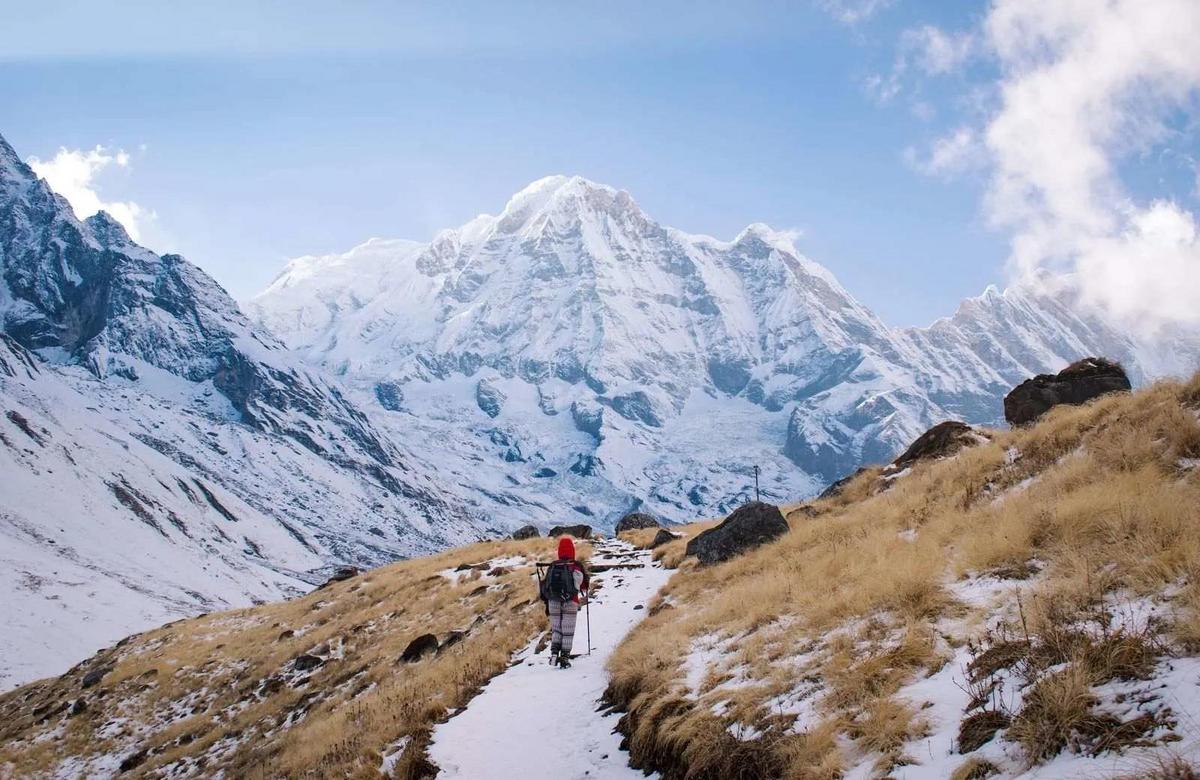
Hey mountain lover! Think the Nepal Annapurna Circuit might break you? It’s no walk in the park. This trail calls the brave, the fit, and lovers of high places. So, I’m here with the low-down on making this epic journey one for the books. Let’s dive into the nuts and bolts on what to pack for this trek from Pokhara to Annapurna and ensure you’re gear-ready for the heights you’ll conquer. No fluff, just the must-haves. Ready? Let’s pack smart and hit those trails with confidence!
Table of Contents
What Essentials Should You Pack for the Nepal Annapurna Circuit Trek?
How to Choose the Right Gear for High-Altitude Hiking?
For the Annapurna Circuit, pick gear that keeps you warm and dry. Go for layers you can put on or take off, depending on the weather. A good warm jacket is a must, so is a raincoat. Also, get hiking boots that are strong, comfy, and water-resistant.
Why is a Lightweight Backpack Essential in the Mountains?
On the Annapurna Circuit Trek, every extra pound feels heavier with each step up the mountain. With a lightweight backpack, hiking gets easier, and you save energy for the amazing views and tough climbs. So, pack smart and keep it light.
What Are the Must-Have Items in Your Annapurna Packing List?
Firstly, you need a quality sleeping bag. Nights get freezing and a warm bag is crucial for rest. Include a head torch for dark trails or late-night tent trips. Basic medicines help battle small health issues on the path. Your packing list for the Annapurna Circuit should also have warm clothes. Think thermal layers, gloves, and a hat. The trek from Pokhara to Annapurna can take you through rain or shine, so pack for both. And of course, where would we be without water? Carry a steel water bottle and refill at safe water spots. It cuts down on waste and keeps you hydrated.
This trek is not a stroll in the park. It’s a journey that can take from 12 to 21 days. You cross high passes, like the Thorong La at 5,416 meters. And while the trek may strain your legs, it fills your heart with views and local charm.
Always remember to pack less. Local porters carry up to 10 kg of your gear. Give them less. Plus, packing less gives you extra room for memories.
For the best trek, go during October-November or April-May. Clear skies, dry paths and great sights await! Cold-weather gear like a thick sleeping bag and crampons are needed for winter treks. You can find these in Kathmandu or Pokhara.
And don’t forget, altitude sickness can hit above 2,500 meters. Climb slow, keep sipping water, and watch out for headaches or dizziness.
Even in the dry season, the mountain weather can be a trickster. So toss in warm clothes and waterproof boots.
Feeling hungry? Local dishes, like the mighty dal bhat, satisfy tired trekkers. Buy snacks in Kathmandu to avoid high trail prices.
Respect local culture. Talk with the teahouse families and visit their gompas or temples. It adds soul to your Annapurna adventure.
Bring enough cash. There are no ATMs after Besisahar until you reach Jomsom. And remember, things cost more up high.
Crossing Thorong La Pass is tough but gives you something to brag about. Proper gear and a happy mood make it memorable.
So there you have it. Pack right, go at the best time, stay warm, eat well, and respect the culture and people. Your Annapurna Circuit trek will be a journey of a lifetime. If you need more info, check out the Annapurna Circuit Trek details for gear tips and travel tricks.
Please check out our blog for Complete Outfit Guide during your trek in Nepal.
When is the Best Time to Set Out on the Annapurna Circuit?
Why are Pre-Monsoon and Post-Monsoon Seasons Ideal for Trekking?
The best time for the Annapurna Circuit trek is from October to November or April to May. These months have clear skies and dry trails. You won’t battle rain or too much cold. Thus, they give you perfect weather for climbing.
October to November is post-monsoon. During this phase, the air is fresh and full of oxygen. Also, the skies offer the clearest views of the mountain peaks. This period is when many plan their Annapurna trek itineraries. Nature blooms with vibrant colors, and the valleys shine with autumn’s touch.
Then comes spring, from April to May. The region warms up. Flowers bloom all over, making the trails a sight to behold. The sun stays long enough for you to enjoy full trek days. Nights are cool but not too cold. It’s a time of new life in the Annapurna region, a treat for your eyes.
How Does the Annapurna Circuit Change with the Seasons?
The Annapurna Circuit takes different faces with each season. The monsoon, from June to September, fills the paths with mud. Leeches become common, and landslides can occur. Trekking becomes a challenge, as the rain can make paths too risky to walk.
After monsoon, from October to November, the world looks sharp and clear. The Annapurna Circuit offers the best views. The trek becomes safer as the paths dry. You can see far and wide, with the clearest skies above you.
When winter falls, from December to February, the circuit sleeps under snow. Days are short, and nights grow long and cold. Few brave this time. The paths are hard to walk, so it gets less foot traffic.
What Can You Expect from the Annapurna Circuit in Winter?
Winter on the Annapurna Circuit needs serious prep. If you choose winter, you must bundle up; it’s no joke up there. Plan for nights colder than -20°C. You will need a thick sleeping bag and even gear to walk on ice like crampons. These are a must but not a hassle. You can rent or buy them in Kathmandu or Pokhara before you make the trip up.
The air grows thin, and the trees wear snow caps. Views at this time are out of this world. But remember, the Thorong La Pass can close if snow makes it unsafe. Always check with local guides before you set out.
So, if you can handle some chill and have the right gear, winter can be a pure, quiet time to trek. You will see the Annapurna like few have. Still, for those new to high climbs, better to tread on the tried and clear paths of post-monsoon or pre-monsoon times.
If you’re plotting your trip to match the best trek dates, Intrepid Travel features a good post for where to set sights in November. It might just be the inspiration you need to lace up those boots and start your Annapurna journey.
Planning for the Annapurna trek needs care for when you choose to step onto those paths. Each season hands you a distinct look and feel of the trail. It points to a clear winner if you ask when is the best time for the Annapurna Circuit trek. Before or after monsoon months stand out. So, check your dates, pack your bags, and get set for an adventure that will etch into your memory for all time.
How Do You Prepare Physically for the Annapurna Circuit?
What Type of Fitness Training Should You Undertake?
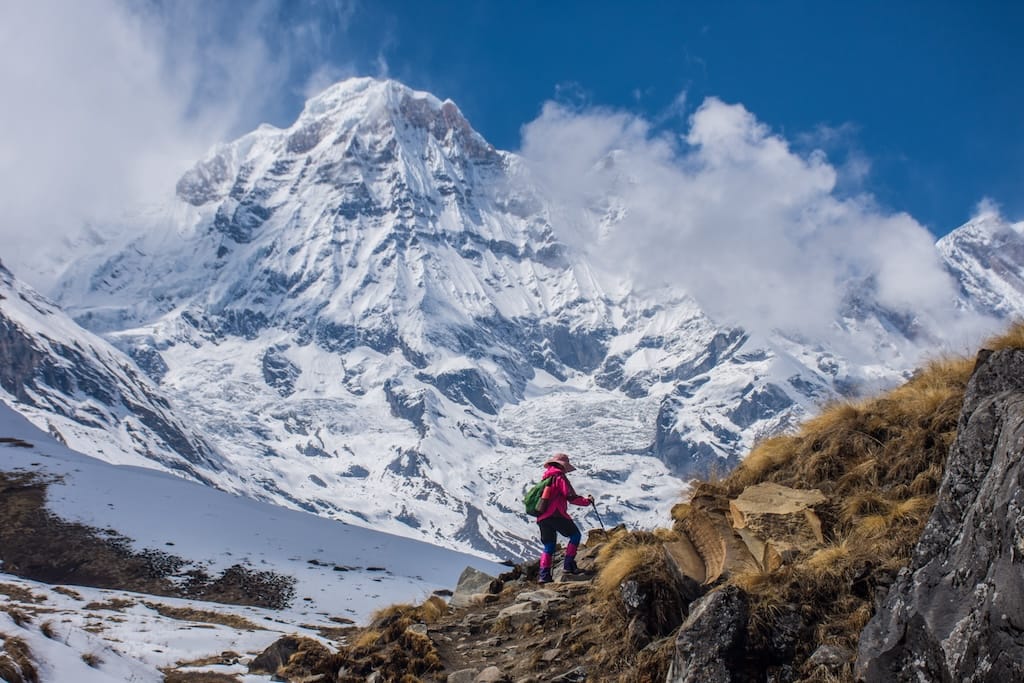
You need good strength to trek the Annapurna Circuit. Begin long hikes at home. Get comfortable with uneven paths. Add weight to your backpack. Slowly increase your hiking distance each week. Do this for at least two months before your trek.
Your legs carry you, so focus on them. Squats, lunges, and step-ups will help. Also, don’t forget your core. Strong core muscles keep you stable. Include planks and crunches in your workout.
Endurance is key. Cardio exercises like running, swimming, or cycling will boost your stamina. Aim for at least three cardio workouts a week.
Consistency is your friend. Stick to a regular training schedule. Mix different workouts to avoid burnout. Always listen to your body. Rest as needed. This way, you’ll be fit for the trek.
Why is Acclimatization Critical for High-Altitude Trekking?
Altitude sickness can hit anyone. It’s common on high treks like Annapurna. Your body needs time to adjust to less oxygen. Acclimatization is how you train your body for this change. It can save your life.
Start below 3,000 meters. Climb slowly. Sleep at a lower altitude than your highest point each day. This is the key to adjust without getting sick.
Spend extra days in places before climbing higher. This helps your body get used to the air. Simple walks or light activity at high points during these days can aid acclimatization. Take it seriously.
What Are the Strategies to Prevent Altitude Sickness?
Preventing altitude sickness starts with understanding it. Headaches, nausea, and dizziness are common symptoms. Knowing these helps you act fast.
Climb no more than 300 to 500 meters a day after 3,000 meters. Drink plenty of water. Stay hydrated. Avoid alcohol and smoking. They make symptoms worse.
Eat enough but not too much. Your body uses more energy at high altitudes. Keep energy levels up with carbs.
Listen to your body. If you feel bad, stop and rest. If it gets worse, go down. Never ignore the signs. Get to a lower altitude fast if symptoms show.
The trek will challenge you. But if you train well, pace yourself, and listen to your body, you’ll stand a better chance. Remember, it’s not about speed. It’s about the journey. Enjoy it and stay safe.
What Cultural Experiences Await Along the Annapurna Circuit?
Which Authentic Local Practices Can You Participate In?
As you hike the Annapurna Trail in Nepal, each step brings you closer to stunning culture. You can spin prayer wheels or join in during Mani Rimdu, a colorful festival with music and dancing.
In Manang Village during the Annapurna Trek, locals may show you how to weave cloth or make pots. This is your chance to really get hands-on. Learning these crafts feels special and brings smiles all around. Remember, the best way to learn about a place is by doing what the locals do. This could be helping in the fields or taking part in a community event. These experiences are not just ‘things to do.’ They bond you with the heart of Nepal’s Annapurna Region. With every step you take, remember that you’re not just a trekker – you’re a witness to centuries-old traditions.
Why Should You Engage with Teahouse Families on the Trail?
Let’s talk teahouses. They’re family-run spots where you can rest, eat, and sleep. When you stop, chat with the family. Their stories give life to the trails. They share tales of the mountains and teach you local recipes. This exchange is magic – it gives you a warm, human connection to the trail.
Teahouse families have seen many trekkers. They know the trails like their own hands. They might even share secret spots with you! Ask them about the hike or weather. Or, just talk about life. They often appreciate the company and the chance to share their world with you.
How to Show Cultural Respect and Etiquette in Nepal?
Respecting Nepali culture is key. Always greet people with “Namaste,” with hands pressed together. Take off your shoes before entering a home or temple. Never point your feet at anyone or any sacred symbol – it’s rude here.
Also, don’t touch anyone with your left hand. It’s considered impure. And always ask before taking photos. Some people might not want their picture taken. When they say “yes,” it’s because you showed respect.
If given food, eat it – this shows appreciation. And while it may be hard, try eating with your right hand like the locals. Yes, it can be messy, but it’s all part of the experience.
By respecting these practices, you make your Annapurna Trek more than just a hike. It becomes an adventure filled with rich culture and new friends. The Annapurna Circuit opens its arms to those ready for the challenge. So, put on your boots, pack your bag, and get ready to experience the heart of Nepal.
What Safety Measures Should Be Taken on the Annapurna Trek?
What Are the Key Precautions for Safe Trekking?
When trekking, stay safe. Watch where you walk. Prepare for quick weather changes. Listen to your body. If you feel sick, stop and rest. Drink much water to stay hydrated.
Wear good boots to protect your feet. Keep warm clothes handy, as temperatures drop fast. Eat well to keep your energy up. Know signs of altitude sickness. If you’re dizzy or have a headache, tell someone. Get to a lower place fast if you feel worse.
Why Should You Always Trek with a Local Guide or Porter?
A local guide knows the Annapurna Circuit well. They can show you the best path and share stories about the place. This makes your trip safer and more fun. They know weather patterns and can spot dangers you may not see.
Porters help carry your gear. You can walk easier without a heavy load. This is good for long treks with elevation changes. They also help local families make money. So, you stay safe and help the community too.
How to Use Technology for Safety on the Annapurna Circuit?
Use a global positioning system (GPS) while trekking. It can help you stay on the right path. If you get lost, it can help guide you back to safety. Bring extra batteries or a solar charger to keep your GPS on.
Also, let people know your plans before you start. Check-in with them as you trek. They can get help if they don’t hear from you.
Remember, technology can fail. A map and compass are good to have too. Learn how to use them before you trek.
Always remember, safety comes first. Take these steps and enjoy your trek in the beautiful Nepal Annapurna Circuit.
What are the Sustainable Practices for Annapurna Trekkers?
How to Minimize Your Environmental Impact While Trekking?
On the Annapurna Circuit, your choices matter. To lessen your mark, ditch plastic bottles for a sturdy steel one. Refill it at safe water spots. Choose snacks with less wrap. And always clean up after yourself. Trek light, respect nature, and leave places better than you found them.
When stepping onto the rugged trails of the Annapurna Circuit, consider each step as a vote for the planet. Earth-friendly trekking means less trash and more nature. Your steel bottle becomes a eco-hero in the fight against waste. Cleaning up isn’t just nice—it’s your duty as a green trekker. And remember, while Nepal’s charm lies in its wild untamed beauty, keeping it that way relies on you.
Why Should You Stay in Eco-Friendly Teahouses?
Eco-teahouses are a win-win on the mountain paths. They care for Earth and hook you up with cool, clean places to rest. Staying with local hosts also means you’re funding green growth in their community. It’s the smart way to cozy up at night on this high path.
Nepal’s tradition of hospitality shines in its eco-teahouses. By choosing these gems, not only do you pamper Mother Earth, but you also soak in the local vibe. Plus, remember, your stay boosts the local economy, helping Nepal stay green and serene. Snuggle into your eco-friendly spot and drift into the mountain night with a clear conscience.
What Steps Can You Take to Ensure Ethical Travel?
To trek the Annapurna ethically, stand by the locals. Chat with teahouse hosts, dig into their stories. Pay fair prices to honor their work. Keep to set paths to save the plants. And be kind to animals you meet on your way.
Ethical travel is about more than just the pretty views—it’s about the heartbeats you encounter along the way. Embrace the culture. Let your travel dollars lift up local lives. Whether you’re bargaining for a scarf or choosing where to lay your head for the night, your decisions make waves. So let’s make sure they’re the good kind, the kind that build, nurture, and respect the rich tapestry of the Annapurna Circuit.
How Do You Prepare Physically for the Annapurna Circuit?
The Nepal Annapurna Circuit is tough. To start, focus on fitness. Strong legs, lungs, and stamina matter most. Begin months in advance with regular cardio, like running or cycling. Next, practice hikes. Load your backpack and hit the trails often. These will prep your muscles for the long trek ahead.
Strength training also helps. Build your core, legs, and back to handle tough climbs and ease the strain on your body. Now let’s talk about the hike. The Annapurna Circuit Trek spans teeming jungles, arid plains, and high passes like the Thorong La Pass. It ascends above 5,416 meters, where air gets thin. So, you must acclimatize.
Here, slow and steady walks win. The faster you hike, the harder it gets. Rest days are vital for your body to adjust. Stay hydrated, and sleep well. Listen to your body. If it screams for a break, take it. Inside tip: a touch of garlic in meals may aid in acclimatization.
You’ll face swings in temperature along the trek from Pokhara to Annapurna. Layer up with thermal gear for cold mornings but be ready to shed layers as the day heats up. Sun protection matters, too. High elevation means stronger UV rays.
And don’t forget your head torch! Nights come early in the mountains. It’s also your beacon during early-morning starts to cross passes.
Altitude sickness looms over every step above 2,500 meters. Recognize its signs: headaches, nausea, and dizziness. The trick is to move to higher ground gradually and keep a tight watch on your health.
Pro tip: Chew on local ginger to soothe your stomach. And remember, the difficulty of Annapurna Circuit is real. But with the right preparation, you can conquer and enjoy this trek in the trekking map for Annapurna.
Remember, fueling your body matters just as much. The dal bhat – rice and lentils – is more than just a meal on the Annapurna trail in Nepal. It’s energy. Pack energy bars too.
Finally, respect where you trek. Engage with local Manang village residents during your Annapurna trek. Learn from them. Your journey is as much about culture as it is about conquering peaks.
Ready to start prepping for your Himalayan quest? Get your legs moving, your lungs ready, and your gear in check. Let’s take on the challenge of the Nepal Annapurna Circuit together!
Conclusion
In this post, we’ve covered all you need to plan an epic Annapurna trek. We talked about the right gear for high-altitude hikes, why light backpacks matter in the mountains, and must-have packing items. We also discussed why you should aim for the pre or post-monsoon seasons, how the trail changes with each season, and tips for braving winter treks.
Remember, preparing your body for the trek is vital. We looked at fitness, acclimatization, and avoiding altitude sickness. Don’t forget the rich culture you’ll experience and ways to respect it. And above all, safety should be your top priority, alongside keeping the Himalayas clean and green.
Tackling the Annapurna Circuit is more than just a trek—it’s an adventure that will test your limits and immerse you in Nepal’s natural wonders and local ways of life. Keep these tips in mind, and your journey through the Annapurna region will not only be unforgettable but also responsible and safe. Happy trekking!



