TL;DR:
- Pack season-appropriate gear; waterproof for rainy seasons, warm clothing for dry months.
- Essential items: boots, warm sleeping bag, map, hat, gloves, first-aid kit, water purifiers, and snacks.
- For high altitudes, focus on acclimatization, warm layers, quality sunglasses, a sun hat, strong sunscreen, and insurance that covers trekking and emergency evacuation. Supplemental oxygen is not standard for normal trekking routes and should only be used under proper medical or expedition guidance.
- Ghorepani Poon Hill, Kathmandu Valley treks, and Annapurna Base Camp suitable for first-timers.
- Best trekking times: pre-monsoon (Mar-May) for clear skies, flowers; avoid winters at high altitudes due to snow.
- Monsoon (Jun-Sep) offers lush landscapes but require waterproof gear and flexible plans.
- Altitude sickness: Be aware of symptoms; prevent with acclimatization, hydration, and consulting a doctor prior to trekking.
- Budget-friendly treks are possible with careful planning, but costs vary by route, season, guide support, permits, comfort level, and transport.
- Permit fees, transport, gear, meals, lodging, guide support, and emergency buffer money should all be included in your trekking budget.
- Local guides enhance safety and provide cultural insights; Sherpa guides offer invaluable high-altitude expertise.
- Practice sustainable trekking by minimizing waste, respecting cultural norms, and supporting local communities.
Hiking in Nepal can mean a short cultural walk near Kathmandu, a beginner-friendly foothill trek, or a multi-day Himalayan route through Everest, Annapurna, Langtang, or other mountain regions. The right trip depends on your fitness, season, available time, altitude experience, budget, and comfort with remote trail conditions. This guide helps you compare the essentials: what to pack, which treks suit first-timers, when to go, how to prepare for altitude, what to budget, and why local guide support can make the journey safer and more meaningful.
Table of Contents
What Essentials Should I Pack for Trekking in Nepal?
How Do I Choose the Right Gear for Different Trekking Seasons?
When you plan a trek in Nepal, match your gear to the season, altitude, and route style. Spring and autumn usually require breathable trekking clothes for the day and warm layers for cool mornings and evenings. Winter trekking requires stronger insulation, gloves, a warm hat, and a reliable sleeping system. Monsoon trekking needs waterproof layers, pack covers, quick-dry clothing, and extra flexibility because rain can affect trails and transport.
What Are the Must-Have Items in My Trekking Backpack?
You can’t trek without some key items. A sturdy pair of boots, a warm sleeping bag, and a good map are tops. Add a hat and gloves for cold, and always bring a first-aid kit. Don’t forget water purifiers and snacks, too.
You’ll want layers for when it gets hot or cold. Pack a few moisture-wicking shirts and pants with zip-off legs. Trust me, dressing right can make or break your hike. Also, pack a durable jacket that can stand wind and rain. For a full checklist, many trekkers look to the gear list provided by trekking experts like Exotic Mountains.
Are There Specific Recommendations for High Altitude Trek Gear?
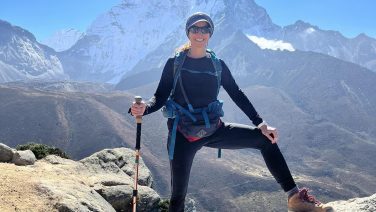
Yes. For higher treks such as Everest Base Camp, Annapurna Circuit, or other routes above 4,000 meters, focus on warmth, sun protection, and altitude safety. Bring UV-protective sunglasses, a sun hat, sunscreen, lip balm, insulating layers, a windproof outer layer, and gloves. Supplemental oxygen is not normally part of standard trekking gear; the better safety plan is a well-paced itinerary, acclimatization days, guide monitoring, and travel insurance that covers high-altitude trekking and evacuation.
To wrap up, Nepal’s trails will leave a mark in your heart. The peaks reach the clouds, and the locals’ smiles are pure joy. You’ll need to be ready for anything. Pack smart, and your trek will be as enjoyable as the majestic views.
Which Are the Top Treks for First-Timers in Nepal?
Why Opt for the Ghorepani Poon Hill Trek as Your First?
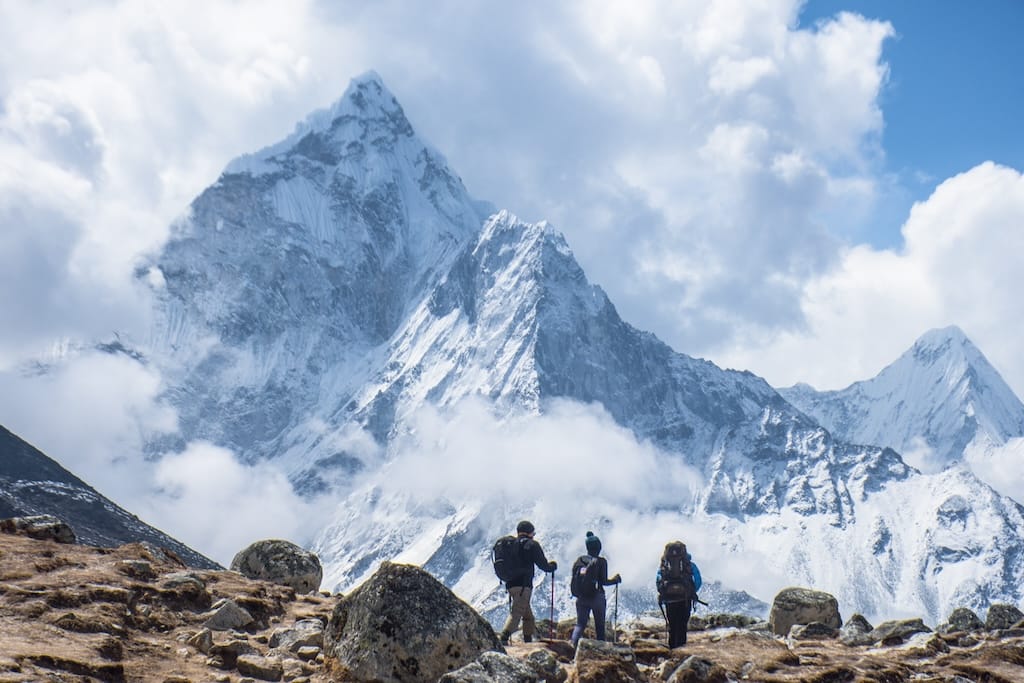
Let’s dive into the Ghorepani Poon Hill trek. It’s a go-to pick for anyone new to hiking in Nepal. This easy trek takes about 4-5 days, making it a best short trekking place in Nepal for those tight on time. It’s gentle on your legs and treats your eyes with sunrise views on Poon Hill. From up there, you can catch the Annapurna and Dhaulagiri ranges all lit up by the morning sun. You don’t need much gear, just stamina and maybe a taste for Nepali tea.
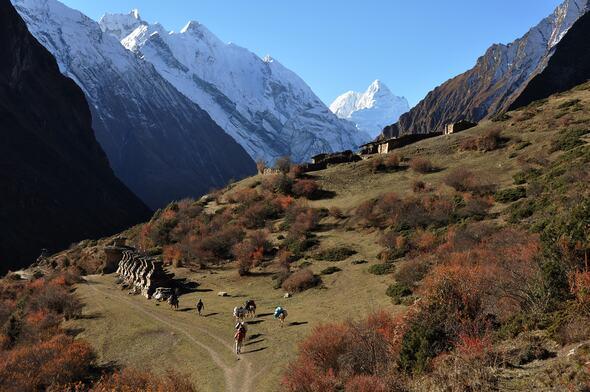
In the hike, you’ll travel through colorful forests and charming villages, great for meeting locals. Ghorepani Poon Hill is perfect for capturing Nepal’s beauty without the long days on other routes. And yes, you can hike here almost all year, except when it’s really wet or snowing hard.
Can The Kathmandu Valley Offer Fulfilling Treks for Beginners?
The Kathmandu Valley, surprisingly, holds some great starter hikes. These trails lie just a step away from the city’s hustle. They’re easy treks in Nepal that take you from temples to lookout points.
Try the Nagarkot trek for clear views of the Himalayas. You can walk through tiny towns, learn about local life, and relax amidst nature. Want a mix of culture and nature? Check out the Chisapani trek that includes both. This trek won’t wear you out and still offers those grand views Nepal treks are famous for.
What Makes the Annapurna Base Camp Trek Ideal for New Trekkers?
Annapurna Base Camp, or ABC, is more of a challenge but it’s totally doable for new trekkers with a decent fitness level. Over 10 days, you’ll get up close with Annapurna I, trekking through diverse landscapes. From forested paths to high ridge lines, each day brings something new.
It’s a moderate trek and you’ll need to step up your game a bit. There’s a steady climb, but you’re rewarded with some of the most stunning mountain scenes. ABC is also one of the best short trekking places in Nepal, as you can get a true taste of the Himalayas in less than two weeks. Like Poon Hill, the best times to hit this trail are spring and autumn when skies are clearest.
When Is the Best Time to Go Trekking in Nepal?
What Are the Advantages of Trekking During the Pre-Monsoon Season?
The pre-monsoon season, from March to May, is a prime time for hiking in Nepal. Skies clear up, and days are warm. Flowers bloom across the hills, painting the landscape in vibrant colors. This time is ideal for photographers and nature lovers alike, offering clear views of the majestic Himalayas. The temperature is comfortable, making the trek pleasant, and the longer daylight hours give you more time to enjoy the trails and soak in the breathtaking surroundings.
Is Winter Trekking in Nepal Suitable for All Trekkers?
Winter trekking, from December to February, can be a bold move. Some trails are snowed in, and temperatures drop significantly. This season typically sees fewer hikers, which means you can enjoy the trails at a slower pace. However, it’s important to note that not all treks are ideal during winter. Higher elevation treks may be too cold and risky due to snow. If you plan to hike during this season, make sure your chosen trail is safe and accessible. Sturdy boots, warm clothes, and proper gear are must-haves.
How Does the Monsoon Impact Trekking Routes in Nepal?
The monsoon season hits Nepal from June to September. It brings heavy rains that can make trails slippery and unsafe. Landslides and leeches are also common during this time. Despite this, some trekkers still venture out, as the rains transform the countryside into a lush, green paradise. Yet, it’s crucial to be well-prepared for the challenges. Sturdy, waterproof gear and flexibility with your trekking plans are key. Always check with local guides before heading out to ensure that your chosen route is open and safe.
Remember, the best time for hiking in Nepal also depends on the trek you pick. Every trail has its own perfect season. For example, the trekking seasons in Nepal for the Annapurna Circuit and the Annapurna Base Camp are autumn and spring, when the weather is mild, and the views are clear.
Planning your hike according to the right season will enhance your experience immensely. Not only will you get to enjoy the natural beauty at its peak, but you’ll also be safer, and more prepared for what each trail has in store. Remember to check local sources or visit trusted online guides like Exotic Mountains to get the most accurate, up-to-date information to plan your trip. Safe travels and happy trekking!
What Should I Know About Altitude Sickness While Hiking in Nepal?
How Can I Recognize the Symptoms of Altitude Sickness?
Altitude sickness can develop when you gain elevation faster than your body can adjust. Early symptoms may include headache, nausea, dizziness, unusual fatigue, poor sleep, or loss of appetite. These signs should be taken seriously, especially on treks that climb above Namche, Manang, Dingboche, Thorong La, or other high-altitude areas.
When hiking high in Nepal, watch for these signs. They tell you to stop and take care. If you ignore them, altitude sickness can get bad. It can even become life-threatening.
Are There Preventative Measures for Altitude Sickness on Nepalese Treks?
You cannot guarantee that altitude sickness will not happen, but you can reduce risk with a careful plan. Choose an itinerary that gains height gradually, includes acclimatization days, and avoids rushing over high passes. Drink regularly, eat enough, avoid pushing through worsening symptoms, and tell your guide early if you feel unwell. Before the trip, speak with a medical professional if you have health concerns or plan to use altitude medication.
Some trekkers discuss altitude medication with a medical professional before travel, but it should not replace gradual acclimatization or good decision-making. A trained guide can help monitor symptoms and recommend rest, descent, or medical support when needed.
What Are the Treatment Options if I Experience Altitude Sickness?
If altitude symptoms worsen or do not improve with rest, descent is the most important response. Do not continue higher with severe headache, confusion, loss of coordination, persistent vomiting, breathlessness at rest, or unusual weakness. Your guide should help assess the situation and arrange medical support or evacuation if needed.
In Nepal, the mountains are high and the air is thin. This means your hikes will be great, but you might face altitude sickness. Know the signs and how to prevent it. Have a plan if you get sick. This keeps you safe while you explore the beautiful peaks and paths.
How Much Should I Budget for a Trek in Nepal?
Can I Enjoy a Quality Trekking Experience on a Budget in Nepal?
Yes, you can have a great trek in Nepal without spending much. Nepal offers a range of hiking experiences fitting various budgets. Cost of hiking trips in Nepal varies based on the route, season, and your spending habits. If you plan carefully and choose budget treks in Nepal, you can save money and still take in the stunning views and culture.
Start with a realistic Nepal trekking package price in mind. Shorter low-altitude hikes can be relatively affordable, while longer routes such as Everest Base Camp, Annapurna Circuit, Manaslu, or remote restricted-area treks usually cost more because they require permits, guide support, transport, accommodation, meals, and contingency planning. Instead of comparing only the lowest price, compare what is included and how safely the itinerary is paced.
When you compare routes, look at the Annapurna Circuit, Annapurna Base Camp, Langtang, and Everest region treks differently. Popular teahouse routes may offer more lodging and meal options, while remote routes can require more organized logistics. Independent daily spending can vary widely by season, altitude, comfort level, and transport choices, so avoid relying on one fixed daily number for every trek.
How Do Permit Fees Influence the Overall Cost of Trekking in Nepal?
Permit fees are a necessary part of trekking in Nepal, but the exact permit depends on the route. Annapurna, Everest, Langtang, Manaslu, Upper Mustang, and other regions have different conservation-area, national-park, or restricted-area requirements. Permit rules and fees can change, so confirm current requirements before travel. A good trekking company will explain which permits are needed and whether they are included in your package.
What Additional Costs Should I Account for When Planning a Trek?
There are other costs you shouldn’t overlook. First, think about travel to and from your starting point. Internal flights, buses, and taxis can add up. Next, consider your food along the trail. While tea houses offer meals, prices can increase with altitude. Gear is another cost, including proper boots and clothing. Don’t forget a sleeping bag and backpack.
Also, think about water treatment options. Bottled water is costly and bad for the environment, so invest in a good water purifier or treatment tablets. Lastly, save some money for emergencies or unplanned expenses. It’s always smart to have a little extra.
To sum up, you can trek in Nepal without breaking the bank. You need to plan wisely and consider all costs. Do your research and use local trekking packages to help set your budget. With some careful planning, you can enjoy the beauty and culture of Nepal without spending too much.
How Do Trekking Guides Enhance My Hiking Experience in Nepal?
Why Should I Consider a Local Guide for My Himalayan Trek?
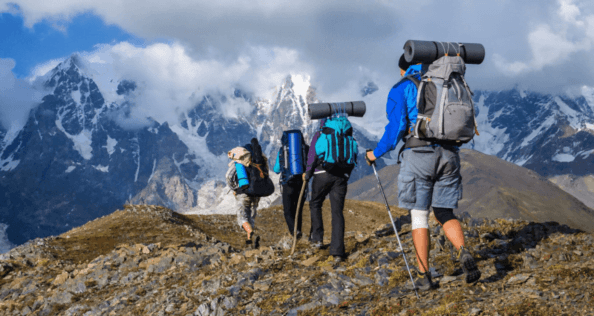
Local guides improve safety, navigation, communication, and cultural understanding. They know trail conditions, teahouse stops, weather patterns, altitude risks, and local customs. A good guide also helps set a realistic walking pace and can coordinate support if someone becomes unwell on the trail.
What Unique Insights and Benefits Do Sherpa Guides Offer?
Sherpa guides bring their culture to life on your trek. They teach local customs, help you talk with villagers, and explain the Himalayan ecosystem. Their skills in high-altitude hiking keep you safe.
How to Select the Best Trekking Agency for Your Nepal Adventure?
Look for an agency with experienced local guides, clear inclusions, transparent pricing, realistic itineraries, safety procedures, fair treatment of staff, and strong communication before the trip. Reviews matter, but also ask practical questions: How are altitude symptoms handled? Are permits included? What happens if weather delays a flight? Is emergency evacuation support explained before departure?
What Are the Sustainable Trekking Practices in Nepal?
How Can I Minimize My Environmental Impact While Trekking?
When you trek in Nepal, think of nature as your host. To thank it, leave no trace. Carry reusable water bottles to avoid plastic waste. Stick to marked trails to protect the land. Take all trash back with you or dispose of it properly. Your steps towards eco-friendly trekking in Nepal make a big difference!
What Role Does Cultural Sensitivity Play in Sustainable Trekking?
Trekking here is not just about nature. It’s about the people, too. Dress modestly. Learn a few local words. Always ask before taking photos. By being kind and showing respect, you care for the culture. This is a part of responsible trekking in Nepal. Cultural sensitivity keeps traditions alive and communities happy.
How Are Local Communities Benefiting From Sustainable Trekking Practices?
Your trek can help the people you meet on the path. Choose local guides and stay in village teahouses. Buy handmade gifts. Eat meals made with local produce. By doing this, you support jobs and keep culture strong. Sustainability on Nepali trails means locals benefit, too. You give back to those who make your trek special.
Trekking in Nepal should benefit both travelers and host communities. Choose local services where possible, reduce plastic use, respect village customs, and follow your guide’s advice on trail etiquette. To learn more about our local approach, visit Exotic Mountains.
How to choose the right Nepal hike
After comparing gear, seasons, budget, altitude, and guide support, narrow your choice by asking a few practical questions. How many days do you have? Do you want mountain views, culture, wildlife, or a physical challenge? Are you comfortable sleeping in simple teahouses? Have you been above 3,000 meters before? Do you prefer popular routes with more facilities or quieter trails with fewer services?
First-time trekkers often do well on Ghorepani Poon Hill, Kathmandu Valley hikes, parts of Langtang, or Annapurna Base Camp with enough time. Trekkers with more experience may consider Everest Base Camp, Annapurna Circuit, Manaslu Circuit, or Gokyo routes. The right choice should feel exciting but realistic.
If you are unsure, speak with a local trekking operator before booking. A good operator will ask about your fitness, previous hiking experience, travel dates, budget, comfort level, and safety needs before recommending a route.
Related Nepal hiking and trekking guides
- Trekking in Nepal guide
- What to wear trekking in Nepal
- Choose the right trek in Nepal
- Annapurna Base Camp Trek
- Everest Base Camp Trek
Conclusion
Hiking in Nepal is not one single experience. It can be a short valley walk, a beginner-friendly foothill trek, or a demanding high-altitude journey through the Himalayas. The best choice depends on your season, fitness, time, budget, altitude comfort, and preferred travel style. Pack for the route, choose a realistic itinerary, respect local communities, and work with experienced local support when the trail becomes remote or high. With the right preparation, Nepal’s trails can be both safe and deeply rewarding.