Quick answer: The best time to trek to Everest Base Camp is during the two distinct trekking windows: Autumn (late September to November) and Spring (March to May). Autumn offers the clearest post-monsoon skies, sharpest Himalayan visibility, and crisp, stable conditions, making October the undisputed peak month. Spring brings warmer daytime temperatures, blooming rhododendron forests at lower elevations, and the thrilling spectacle of international climbing expeditions setting up colorful tent cities at Base Camp. Outside these windows, winter (December to February) brings severe cold with empty trails, while the summer monsoon (June to August) brings heavy rainfall, obscured views, and frequent flight delays.
Because elevation on the trail ranges from 2,846m (Lukla) to 5,545m (Kala Patthar), weather conditions change dramatically between the lower Dudh Koshi valley and the Khumbu Glacier. This guide breaks down temperature profiles, month-by-month conditions, crowd levels, and seasonal trade-offs to help you select your ideal travel window. For our complete route stages, permits, and acclimatization profile, read our master Everest Base Camp Trek Guide.
| Month | Weather & Visibility | Namche Bazaar Temp (Day/Night) | Gorak Shep Temp (Day/Night) | Crowd Level | Verdict |
|---|---|---|---|---|---|
| March | Clear mornings; warming; snow on high passes melting | 12°C / -2°C | 2°C / -12°C | Moderate | Excellent early spring choice |
| April | Mild temperatures; vibrant rhododendrons; clear mornings | 15°C / 2°C | 5°C / -8°C | High (Peak) | Prime climbing & trekking month |
| May | Warmest spring month; afternoon clouds; summit bids | 17°C / 5°C | 7°C / -4°C | Moderate to High | Great weather; summit bustle at EBC |
| June–August | Monsoon rain; muddy trails; flight delays; clouds | 18°C / 10°C | 8°C / 2°C | Very Low | Not recommended (leeches & wet) |
| September | Monsoon receding; green valleys; clearing skies late month | 16°C / 6°C | 6°C / -3°C | Low to Moderate | Great from mid-late September |
| October | Cleanest atmosphere; crystal blue skies; stable conditions | 14°C / 0°C | 4°C / -10°C | Very High (Peak) | The #1 best month for views |
| November | Dry, sunny, and crisp; colder nights; thinning crowds | 10°C / -4°C | 0°C / -15°C | Moderate | Outstanding visibility; chilly nights |
| December–Feb | Freezing cold; snowy passes; brilliant clear skies | 6°C / -10°C | -4°C / -22°C | Low | Peaceful trails for winter-ready hikers |
Autumn (September, October, November): Crystal Clear Horizons
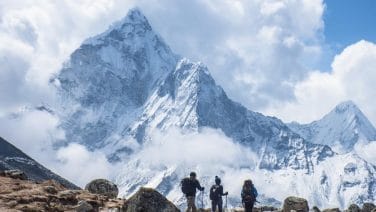
Autumn is Nepal’s undisputed premier trekking season. The summer monsoon washes dust and pollutants from the atmosphere, leaving behind razor-sharp visibility across the Mahalangur Himal. Everest, Lhotse, Nuptse, and Ama Dablam stand crisply etched against deep blue skies.
Why October Is the Busiest Month
October offers the gold standard combination: moderate daytime walking temperatures (12°C to 15°C in Namche), minimal chance of rain or unseasonable snow, and dependable flight operations. However, popularity comes with high trail traffic. Teahouses in Dingboche, Lobuche, and Gorak Shep fill to capacity, making advance lodge bookings by a licensed agency essential. Flights between Ramechhap and Lukla operate at peak frequency; see our Ramechhap to Lukla Flight Guide to plan transit logistics.
Cultural Highlight: Mani Rimdu Festival at Tengboche
A unique privilege of trekking in autumn is witnessing Mani Rimdu, the most significant festival of the Khumbu Sherpa community. Held at the sacred Tengboche Monastery (usually in late October or early November based on the Tibetan lunar calendar), the three-day festival features sacred masked dances (Chham), monastic horn performances, and blessings by the Tengboche Rinpoche to cleanse spiritual negativity.
Spring (March, April, May): Blossoms & Base Camp Tent Cities
Spring is the second major trekking window and the prime season for mountaineering expeditions aiming to summit Mount Everest. The Khumbu comes alive with energy, colorful prayer flags, and bustling yak caravans carrying expedition freight up trail.
- Blooming Valleys: Below Namche and Tengboche, dense forests of red, pink, and white rhododendrons (Nepal’s national flower) burst into full bloom in late March and April.
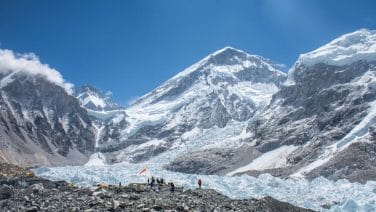
- A Vibrant Base Camp: In spring, Everest Base Camp is transformed into a temporary alpine city with hundreds of yellow and orange expedition tents, dining domes, and mountaineering teams preparing for their summit pushes through the Khumbu Icefall. (In autumn, Base Camp is generally an empty glacial expanse with the iconic memorial rock).
- Warmer Temperatures: Days are warmer than in autumn, making chilly mornings and evenings much more comfortable inside unheated teahouse bedrooms.
Winter (December to February): Solitude for Cold-Tolerant Trekkers
If you dislike crowded trails and do not mind sub-zero temperatures, early winter can be an extraordinary time to trek. The atmosphere is bone-dry and visibility remains crystal clear throughout the day.
However, winter travel requires serious preparation:
- Severe Cold: Nighttime temperatures at Gorak Shep and Lobuche regularly plunge between -15°C and -25°C. You need a four-season -20°C sleeping bag, insulated down mitts, and heavy down parkas. Check our guide on what to wear trekking in Nepal for extreme cold gear recommendations.
- Lodge Closures: Many teahouses above Dingboche close for the winter as owners migrate down to Kathmandu or Pokhara. A guided trek with Exotic Mountains ensures open accommodation is pre-arranged before you climb higher.
- Snow on High Passes: Routes crossing Cho La or Renjo La can become impassable without microspikes or crampons.
Summer / Monsoon (June to August): What to Avoid
We generally advise against trekking to Everest Base Camp between mid-June and late August. Summer monsoon currents push heavy rainfall across the lower Dudh Koshi valley, causing muddy trails, active leeches, and widespread landslide disruptions on roads to trailheads.
Crucially, low cloud cover and monsoon storms cause prolonged flight cancellations at Lukla Airport, stranding travelers for days. If you can only travel during summer (July/August), consider Nepal’s rain-shadow regions like the Upper Mustang Trek, which sits sheltered behind the Annapurna range and stays bone-dry.
Flight Reliability & Essential Buffer Days
Regardless of season, flights to Tenzing-Hillary Airport in Lukla fly strictly under Visual Flight Rules (VFR). If clouds, crosswinds, or fog descend over the runway, flights halt immediately. During transition weeks (late September and late May), delays can stretch to 24–48 hours.
Rule of Thumb: Always budget at least two buffer days in Kathmandu at the end of your trek before your international flight home. You can read our detailed survival strategies in our Lukla Flight Delays and Cancellations Guide.
Frequently Asked Questions
Which month has the least wind and best visibility at Kala Patthar?
October offers the most consistent windless dawns and razor-sharp visibility for the sunrise ascent of Kala Patthar (5,545m). Late morning winds pick up throughout the year, making early morning summits standard.
Is spring or autumn better for first-time trekkers?
Spring (April) is slightly more forgiving in terms of overnight cold, while autumn (October) offers more consistent blue skies. Both seasons are ideal for well-prepared first-timers trekking with licensed guides.
Do I need high-altitude travel insurance regardless of season?
Yes. Altitude illness does not depend on the weather. A comprehensive policy covering emergency helicopter rescue up to 6,000 meters is mandatory. Review our 2026 comparison of the best travel insurance for Nepal trekking.
Plan Your Dream Everest Trek with Exotic Mountains
Choosing the right departure date is the foundation of a safe, breathtaking Himalayan journey. Our 14-Day Classic Everest Base Camp Trek includes licensed Sherpa guides, porters, domestic flights, Sagarmatha National Park permits, handpicked teahouses, and 24/7 medical support.
14-Day Classic Everest Base Camp Trek
Stand face-to-face with the world’s highest peak. Includes roundtrip Lukla flights, licensed Sherpa guide, porters, national park permits, comfortable teahouses, and full acclimatization days in Namche Bazaar and Dingboche.