TL;DR:
- The Everest Marathon is the world’s highest marathon, starting at 5,356 meters (17,572 ft.) above sea level.
- It offers unique challenges such as high altitude, rugged terrain, and significant elevation drops.
- Participants honor the first ascent of Everest on May 29 each year, immersing in local culture and contributing to the economy.
- Runners need specialized high-altitude training, and acclimatization, and must carry mandatory gear for cold and rough conditions.
- Spectators engage with the race by cheering at key points and embracing Nepali culture.
- Local communities benefit through increased tourism and infrastructure development.
- The race is not only physically demanding but also transformative for runners, inspiring personal growth and resilience.
- Options available for different runner levels include a full marathon, half marathon, and an ultra, with treks offered before the race for acclimatization and cultural experience.
Imagine running through the clouds, with the world’s highest peaks towering above you. Welcome to the Everest Marathon, not just a race, but a quest. Today, I’m diving into what makes this high-flying adventure captivate runners’ hearts and challenge their limits. Is it the thrill? The views? Or the test of human endurance? Join me as we unlock the allure of the world’s highest marathon together.
Table of Contents
What Makes the Everest Marathon a Pinnacle of Trail Running?
What is the unique allure of racing at Everest’s high altitudes?
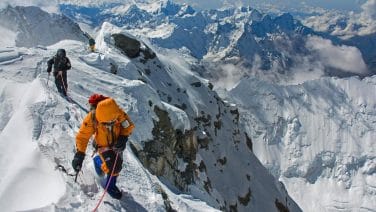
The air is different up there, crisp and thin. Picture this. You’re at Mount Everest Base Camp, geared up, heart pounding. You’re about to start the Everest Marathon. It’s the highest marathon in the world! You know the run ahead is tough. Snow crunches underfoot, and you eye the path that winds down through the mountains. This scene is real for those who take on this race. Racing at such high altitudes means coping with less oxygen. You feel every step. Each breath demands effort. This is the challenge that draws runners from across the globe.
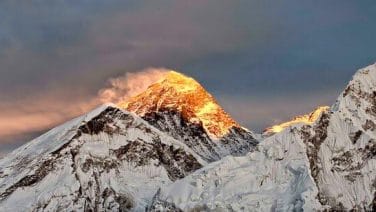
They chase more than just a race. They seek the Everest marathon experience. They strive to conquer the highest peaks marathon. Runners bask in the beauty of towering mountains, the kindness of locals, and the land’s deep history. All while pushing their limits on a course that’s never the same twice.
The Tenzing Hillary Everest Marathon honors the first ascent of Everest. Runners celebrate this anniversary each year on May 29. It’s a tribute to the human spirit, endurance, and adventure. This event has a spirit that pulls people back year after year.
How does the Everest Marathon compare to other high-elevation races?
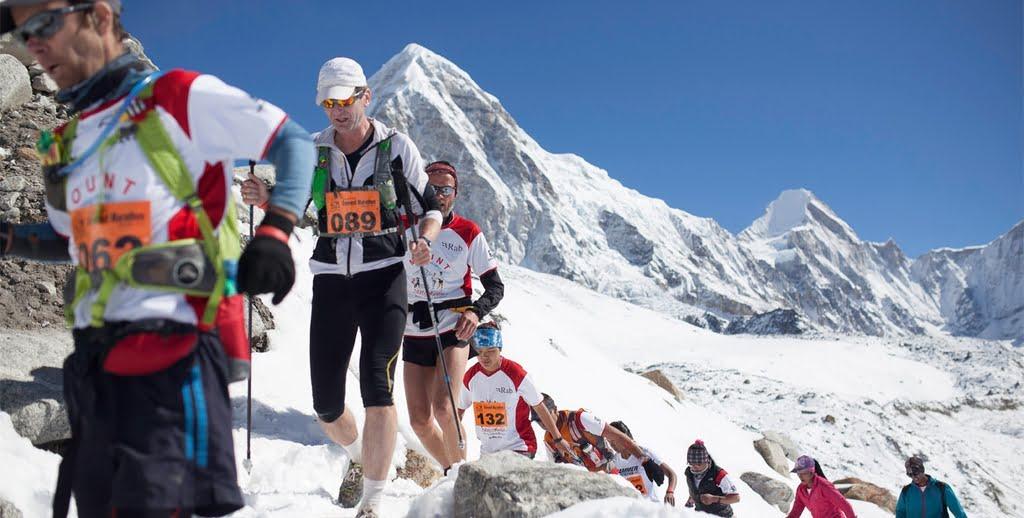
When you line up high-elevation races, the Everest Marathon stands tall. Starting at 5,356 meters (17,572 ft.), you’re already higher than many peaks around the world. Other races might climb high, but this marathon begins there. Then it plunges you into a 2,000-meter (6,561 ft.) descent to the finish line. It mixes snow, ice, and trails on narrow mountain paths.
Few other races can offer this mix of high altitude and rugged terrain. Many high-elevation runs boast their challenges, but Everest adds a majestic backdrop to its marathon. Every turn can reveal new peaks and valleys, making it a moving postcard in real-time. The sense of place here is unrivaled.
Runners pick their challenge from a full marathon, a half, and an ultra. They can join a trekking group too. This includes 15 days of sightseeing and getting fit for the run. This prep helps runners adjust to the thin air. They even climb Kala Patthar, peaking at 5,545 meters (18,192 ft).
What sets Everest apart, though, is its demand for true grit and skill. Checkpoints dot the route, offering aid. Yet the runners must carry on through tough conditions. A well-prepared athlete finds rewards in every step and vistas that inspire awe.
Now that you’re familiar with what makes the Everest Marathon resonate amongst trail running enthusiasts, it’s clear that this race is more than just about speed. It’s a testament to the human desire to explore and triumph, a venture where every step tells a story of courage, and a place where each breath taken is a reminder of the incredible planet we call home.
How Can Runners Prepare for the Everest Marathon?
What specific training does the Everest Marathon require?
Get ready to train hard for the Everest Marathon. You will need to build your stamina. Run long distances to get your body used to it. Also, you will run uphill a lot. So, find hills and run there often. You must learn to keep going even when tired. Your legs and lungs will feel it. But this will make you stronger.
Can you describe a typical altitude acclimatization process for runners?
Yes, altitude is tough. Your body needs time to adjust to less air. You start by living at a higher place for a while. Then go higher and sleep lower. Do this over days or weeks. This helps your body get more red blood cells. It is what carries oxygen around your body. This process is key for high races like this one.
What are the insider tips for acing the Everest Marathon?
First, know the race. The starting line is super high, over 5,000 meters (16,404 ft.) up. The air is thin. So, prepare for that. Train at heights if you can. Also, the climb up Kala Patthar is part of the prep. It is over 5,500 meters! Get the right gear too. Good shoes are a must. They should grip well and be comfy. Eat right before the race. Pack snacks like nuts or bars. Stay hydrated, but don’t drink too fast. And remember to take it slow at first, then pick up your pace. You need to save energy for later in the race. Keep these tips in mind, and you will do great!
What Should Participants Expect on Race Day?
What are the key factors to success on the Everest Marathon race day?
Race day at the Everest Marathon is no walk in the park. Prep, grit, and the right mindset are key. Runners face a trek from Mount Everest Base Camp at 5,356 meters (17,572 ft.) to Namche Bazar at 3,440 meters (11,286 ft.). Here, thin air tests your lungs, and tough climbs dare your legs. Still, with each step, this race offers a chance to push past your bounds.
To notch a win, or just to finish, you must be fit. You have to train for months, focus on your strength, and learn to breathe where air is scarce. On race day, eat well and check the map. Know where cheers, food, and drinks wait for you along the route. Lace-up your trusty shoes, wear the right gear for cold and wind, and set off with your eye on the trail. In this race, slow and steady often comes out on top.
How does the Everest Marathon integrate Nepal’s cultural elements?
The race starts on May 29, a key date in Nepal’s history. It marks the day Everest was first climbed. Every runner joins in honoring that feat. Plus, the race pours back into local stops like the vibrant town of Namche Bazar. Here, rich stories live in every stone and smile.
Runners in the everest marathon 2024 will feel this beat. They’ll see prayer flags float on the breeze and hear the sounds of monks’ chants. They’ll see homes tucked into the hills, smell incense, and taste local fare at checkpoints. It’s more than a race; it’s a peek into life high up in Nepal.
It’s true, this marathon is tough. But oh, what a sight it gives you! While you run, gaze out at giant peaks, cross icy patches, and leap over clear streams.
What are the Essential Gear and Survival Tips for High Altitude Marathons?
What is the mandatory gear list for Everest Marathon participants?
Runners need warm clothes, food, water, and a medical kit for the Everest Marathon. They start at 5,356 meters (17,572 ft.), where it’s cold and windy. The race is tough and at a high altitude. So, they must prepare well.
Let’s dive into the gear list. First, runners must wear layers. These include thermal clothing, wind-resistant jackets, and gloves. They should also bring sun protection like hats and glasses. Good shoes are key. They need them for grip on rough tracks. Runners also pack energy foods and water. A medical kit with altitude sickness meds is a must. This race is not a walk in the park. It’s vital for runners to have the right gear.
What are the must-know survival tactics for the Everest Marathon?
Survival at the Everest Marathon means knowing the route and staying warm. Participants use proper gear and follow the marked trail. They drink lots of water to avoid dehydration. They eat energy foods and rest when tired.
Survival also means watching your health. Runners look for signs of altitude sickness. Safety is a big deal here. They check in at all the route’s checkpoints. The race goes over snow, ice, and steep climbs. So, runners need to move with care. People cheer from Namche Bazar as they finish the race. This marathon is a tough challenge for the brave.
How Can Spectators and Supporters Engage with the Everest Marathon?
What opportunities are there for spectators during the Everest Marathon?
The Everest Marathon lets fans cheer at key points. This inspires runners and adds joy to the event. You can watch the start at Base Camp, feel the energy and excitement crackle in the cold mountain air, or wait at the finish line in Namche Bazar. There, you’ll see runners’ faces glow with pride as they complete their journey. Supporters often trek alongside the runners for a stretch, offering morale boosts and sharing in the adventure.
How do locals and international supporters celebrate the Everest Marathon?
During the marathon, the entire Khumbu Valley turns into a festival. Villages along the way burst into life. Locals and fans from far away display admiration for these athletes. They fill the air with cheers and chants. This support matters a lot because of the tough route that runners face. It’s steep and wild, with ice and open trail that will test even the strongest. Yet, with every tough turn, there’s a smile or a cheer from the crowd. This lifts runners’ spirits, urging them on.
Supporters, local and international, also gather for pre and post-marathon events. They explore the sights, celebrate with food, and share stories. It’s a time when the community comes together, bound by respect for the runners and the historic significance of Everest. This union of adventure, competition, and communal support truly makes the Everest Marathon a captivating spectacle.
Spectators’ involvement goes beyond the race itself. They engage with the culture, explore the mountains, and contribute to the local economy. This has a ripple effect, benefiting shops, lodges, and guides. It’s a once-in-a-lifetime event that sticks with you – the sights, the race, the camaraderie.
So, if you ever find yourself cheering on the brave souls running the Everest Marathon, know that your support goes far beyond the race. It becomes part of a larger journey, one that celebrates human spirit and endurance against the backdrop of the highest peaks on Earth.
How does the Everest Marathon contribute to the local economy and infrastructure?
The Everest Marathon helps locals earn more. Farms sell food for the event. Hotels fill up. Shops sell goods. Guides and porters get work. This race brings in money that helps build better homes, schools, and roads. This shows how sports can boost a place. The race pulls in visitors not just to run, but to look at the stunning trails and learn about the culture. This leads to a better life for those who call Everest home.
What personal transformations do runners experience through the Everest Marathon?
Runners change inside and out from the Everest Marathon. They train hard for high climbs and tough trails. Their bodies grow strong. But the big test changes their minds too. Runners face fear and tired legs but keep going. They learn they can tackle tough things. Many say they leave the race feeling new. They carry the mountain’s strength with them after they go home. It’s not just a race; it’s a journey that shapes them for life.
Why Does the Everest Marathon Captivate?
Let’s talk about what makes the Everest Marathon a must-do for runners. Not just any marathon, it takes place on May 29 every year. This date honors the first time people reached Mount Everest’s peak. Visitors to exotic mountains follow in the steps of brave climbers.
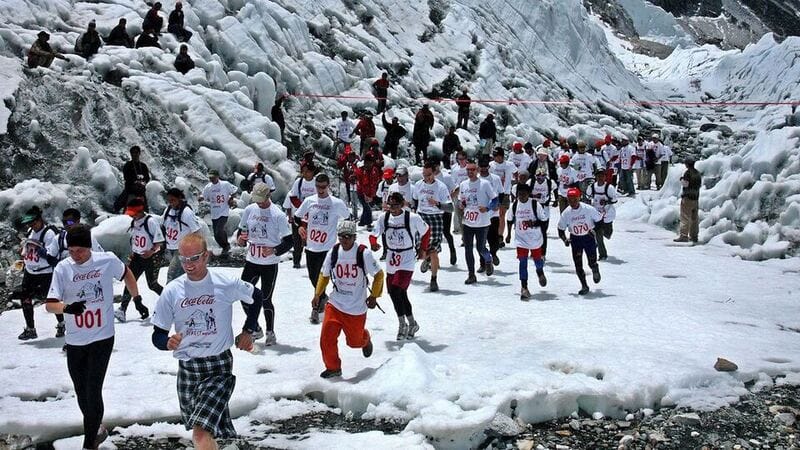
Now imagine running at 5,356 meters (17,572 ft.) high. This is where the starting line is at the Everest Base Camp. Just being there is a dream for many. Going past the Khumbu Icefall, you can feel the chill and the thrill. You run downhill to finish in Namche Bazar at 3,440 meters. What a drop!
There’s more than just a full marathon. Runners can do a half marathon or go all out in an ultra. Deepak Rai holds the record with an amazing time of 3:28. Can you beat that?
Some choose to trek for 20 days before the race. They see beautiful sights, stay in cozy spots, ride through Nepal, and eat tasty meals. This journey includes going up Kala Patthar at 5,545 meters to get used to the height.
The path has it all: food, water, snow, ice, and big climbs. The marathon is no walk in the park. With a 2,000-meter drop, you need strong legs and lungs. It’s a race fit for pros.
So why do people love it? The Everest Marathon is more than running. It’s a quest, a way to push your body to its max. You breathe hard and sweat. Your feet might ache, but your heart soars. Each step takes you closer to the sky, where few dare to run.
This marathon is special because you run among the world’s giants. The high peaks are all around you. You feel small, but you also feel big, alive, and part of history. If you come to Nepal, you take home tales of your own Everest adventure.
Gear Up for the Everest Marathon with Exotic Mountains
Prepare Purposefully: Elevate your Everest Marathon preparation with our specialized treks. Designed for optimal acclimatization and enriched by the stunning landscapes and vibrant culture of the Everest Region, Exotic Mountains’ treks pave your way to marathon success.
Why Opt for Exotic Mountains?
- Tailored Acclimatization Itineraries: Crafted for your peak performance.
- Immersive Cultural Experiences: Dive deep into the heart of Sherpa culture.
- Unmatched Scenic Paths: Train amidst awe-inspiring vistas.
- Experienced Guides: Journey with experts passionate about their homeland.
Ready for an Adventure?: Transform your Everest Marathon journey with us. Discover our trek options and secure your spot today. With Exotic Mountains, your path to readiness is as memorable as the race itself.
Conclusion
In this blog, we drove into what makes the Everest Marathon unique and how it stands apart from other peak races. We talked about how runners train and acclimate to altitude for this thrilling race. We touched on what gear and survival tips are key for tackling high altitudes. Spectators and supporters play a big part in Everest’s big day too. And let’s not forget the positive bounce the marathon brings to local folks and runners’ lives. So, gear up and get ready for an adventure that’ll change you inside and out. The Everest Marathon isn’t just a race; it’s a journey!