
TL;DR:
- The Everest Base Camp trek offers unique and breathtaking landscapes, cultural experiences, and challenges that are worth the effort and cost ($1,500 on average).
- Spring and fall are the best times to go for favorable weather. Past trekkers rate the experience highly, citing stunning views and a sense of achievement.
- While challenging for beginners, with proper training, many succeed. The trek involves 14 days of walking and adapting to high altitudes.
- Cultural engagement includes local Sherpa communities, ancient monasteries, and traditional hospitality.
- Eco-friendly trekking practices are essential, such as minimizing waste and supporting local businesses.
- Hidden costs may include tips, extra snacks, hot showers, and charging batteries.
- The trek is not just physically rewarding but also provides soul-enriching experiences, making it an unforgettable adventure.
Heads up, hiking fans! You’re thinking, “Is Everest Base Camp worth it?” We get it, it’s no small feat. Every step up that giant mount brings a mix of tough climbs and wow moments. What’s it like up there? Will I beat the challenges? Oh, and the views! Our chat today digs into all that and more. So, lace up your boots, grab a mug of something hot, and let’s talk about what awaits at Everest Base Camp. Ready for the ride of a lifetime? Let’s hit the trail.
Table of Contents
Is the Everest Base Camp Trek Truly Worth It?
What Can I Expect from the Everest Base Camp Trek Experience?
When you ask, “Is Everest Base Camp worth it,” the quick answer is yes. The trip itself is full of sights, sounds, and feelings you’ll find nowhere else. As someone who has ventured these paths, I can vouch for the life-changing Everest Base Camp experience. Your hike through the Himalayas will challenge you, but the rewards are beyond measure.
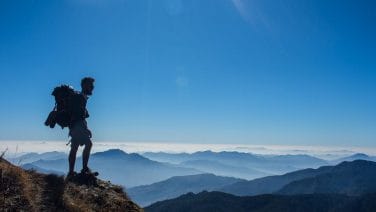
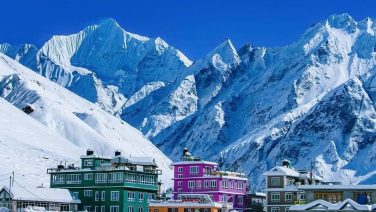
Every step takes you through landscapes that belong in myth. You’ll come across ancient monasteries, prayer flags fluttering in the wind, and vistas that stretch beyond the horizon. Warm greetings from the locals will enrich your journey. The tea houses will surprise you with cozy rooms and even hot showers lower down.
Affordability-wise, the trek cost may be less than you think. For our group, it was $1,500 each. This covered our sleep spots and meals. Getting there is part of the adventure. Flights into Lukla are daring but safer than you might have heard. And you can stay connected with a local SIM card for most of the way.
How Do Past Trekkers Rate Their Success and Satisfaction on the Trek?
Past trekkers, like Hope Chen, speak of their success on this path with pride. Her account mirrors my own. She found the tea houses comfy and was glad for easy calls home thanks to good cell service. She ate less meat than planned to play it safe. This turned out to be a smart move.
Her trip was warmer than expected too. Heavy gear got left behind on many hike days. Despite the busy paths with both people and yaks, the sights never failed to stun her.
She faced the high-altitude tickle in her chest, as we all do. Drink water, rest, and the feelings ease as you head back down. Her journey, like many before her, was a mix of awe and humble respect for nature’s might.
In the tales from past trekkers, common themes pop. They talk of tough climbs and close calls. But they also tell of a journey that touched their souls. Your own successful Everest Base Camp trek awaits. It could very well be the most meaningful venture of your life.
What Are the Challenges and Rewards of Trekking to Everest Base Camp?

How Difficult Is the Trek for a Beginner?
Is Everest Base Camp hard for new trekkers? Yes, it can be tough. The path to Everest Base Camp is a mix of rough trails, steep climbs, and high altitude. For someone not used to hiking, this trail will feel hard. But don’t let that stop you. Many beginners do make it, with the right pace and breaks.
The hike is long—about 14 days of walking. You must deal with thin air as you climb higher. Each step feels harder as you go up. You need to walk slow and let your body adjust. This is key for all trekkers, not just new ones. If you take time to train and get fit before you leave, you’ll find it easier.
What Accomplishments Do Trekkers Feel After Completing the Trek?
What do people feel after reaching Everest Base Camp? Pride, joy, and a sense of wonder. After days of walking, you finally look out at the huge mountains. You stand where world climbers start their Everest climb. You’ve done something hard and it feels great. You’ve seen new lands, met new friends, and pushed your limits.
The journey is more than just getting to the base camp. It’s about the stories you’ll tell, the memories you make, and the lessons you learn. For many, it’s a life-changer. The struggle up the hill makes the view from the top sweet. Every step reminds you of what you can do. Seeing Mount Everest up close is a dream for many. Making it happen is a big win.
Remember, each person’s hike to Everest Base Camp is their own tale. Some find the walk tough, but worth it. Others feel the joy in every step. But all who reach the base camp share a bond, a moment where they stood close to the top of the world.
When Is the Best Time to Embark on the Everest Base Camp Trek?
What Are the Optimal Seasons for Trekking to Everest Base Camp?
Want to know the everest base camp trek best time? Aim for spring or fall. These months offer the clearest skies and mildest temps for trekkers. Spring blooms in April and May, gifting you with vibrant rhododendron forests. Fall, from September to November, boasts golden hues and crisp air. Both seasons get you the best views of Everest without thick snow or monsoon clouds. The trails are busy, but the weather’s goodness makes it worth it.
How Does the Weather Affect the Trekking Experience?
Checking the weather forecast before your trek is key. Weather at this high altitude changes fast. The right season means sunny skies and stable conditions.
Even then, afternoons can get windy and nights cold, so pack layers. High passes can get snow any time, so be ready for chill and remember, weather impacts your safety. Check forecasts, pack smart, and learn about altitude sickness.
Hope Chen, from her October trek, reports the weather was warmer than she thought. This meant her heavy jacket stayed in her pack more often than not. But remember, surprises are common at high altitudes. Good gear and checking the forecast can save your day. Expect less traffic early or late in the seasons, though yaks and fellow trekkers will still dot your path. Early or late means more risk of snow but less bustle on your journey.
So, when is the everest base camp trek best time? In short, aim for April to May or September to November. Watch the weather, layer up, and stay aware of cold and winds. Enjoy clear paths and make your Everest dreams real in the best seasons.
How Should You Prepare for the Everest Base Camp Trek?
What Training Should You Consider Before Attempting the Trek?
You must get fit to trek to Everest Base Camp. Hike lots and build leg strength. Start cardio workouts like running and biking. Add hill climbs to your hikes. Before you go, walk with your trek bag. This makes you strong and ready for your trek.
What Should Be Included in Your Trekking Package?
Your trekking package must have guides and porters. Check for meals, places to sleep, and airport picks. It should cover permits and park fees. Look for health care help if you get sick. Make sure it matches your needs and budget.
You will walk with lots of people and yaks. Everyone may feel sick from the height. This is normal and will pass as you get low. The walk to Everest reminds us of the risk in high climbs. It’s a big win to finish, and you go home with great stories.
How Much Does It Cost to Trek to Everest Base Camp?
What Expenses Should You Budget for the Everest Base Camp Trek?
The total cost to trek to Everest Base Camp varies. On average, you may spend close to $1,500. That’s what Hope paid. This includes guides, porters, food, and places to sleep. You won’t just walk and eat. You must also think about flights, gear, and permits. It’s smart to keep extra cash for unplanned spends.
Remember, prices can change. It’s best to check the latest before you go. The Everest Base Camp Trek on TripAdvisor might show more on this. The link is easy to find online.
Are There Any Hidden Costs to Be Aware Of?
Yes, there can be hidden costs. First, know that tips for your guides and porters are normal. They work hard to help you. It’s nice to thank them this way. Also, you may want snacks or drinks while you walk. These cost more as you go higher. If you need a hot shower or battery charge, that adds more to your bill. Pack well and think about all you might need. That way, you stay happy and ready for the walk.
You may buy a SIM card for Internet. It’s good most of the time. But don’t count on it always. Think about insurance too. You’re far from home. It’s best to be safe than sorry.
Above all, Hope Chen found more comfort than expected. You might too. But never guess. Always check before the trek. It’s a big trip. You want no surprises. Keep it safe, plan well, and enjoy the walk. It can be quite a trip!
What Are the Cultural Highlights on the Route to Everest Base Camp?
What Unique Cultural Experiences Does the Trek Offer?
The trek to Everest offers rich culture from local people. You will learn a lot. Big towns on the route like Namche Bazaar show Sherpa life. Monasteries and prayer flags mark your way. Culture shines in every tea house and smile.
How Do Trekkers Engage with Local Communities Along the Way?
Trekkers meet locals and hear their stories. You join in traditions and gain friendships. Trading tales with Sherpas opens hearts.
Every step on this trek has something new to offer in terms of culture. You will catch glimpses of the Sherpas’ deeply spiritual lifestyle infused with Buddhism. Places like the Tengboche Monastery allow you to observe and even join in the local spiritual practices.
In the smaller villages, you might be invited into a local’s home for a cup of hot butter tea, a gesture that symbolizes warm welcome and hospitability. The conversation may be simple due to language barriers, but the experience of shared humanity transcends words.
Children often play near the trails, and their laughter is a delightful reminder of the lively community spirit that pervades the Himalayas. Engaging with these communities, you get a first-hand experience of their sustainable way of living, closely tied to the land they call home.
Exploring this region through the eyes of the Sherpa population gives a unique perspective on the Everest Base Camp trek route. It enriches your understanding, not just of the “culture in Everest” region but also of how interconnectedness with the environment determines their way of life.
The cultural highlights of the trek are not mere checkpoints on a tourist’s list. They invite you to a profound personal growth and understanding. They show that the journey to Everest Base Camp is indeed worth it, not just for the physical achievement, but also for the soul-enriching experiences that come with every step.
Are There Eco-Friendly Practices to Follow During the Everest Base Camp Trek?
How Can Trekkers Minimize Their Environmental Impact?
Trekking can harm nature if we’re not careful. It’s key to leave no trace. This means packing out all trash. Use refillable water bottles to cut down on waste. Stay on marked trails to protect plant life. When we camp, we pick spots already used. This keeps nature untouched elsewhere.
Choosing eco-friendly gear helps too. Pick items made with less harm to the earth. Look for recycled materials when you can. Buying durable gear means less waste over time. Share things like tents and cooking tools. This reduces what must be made and thrown away.
Be mindful of what is left behind. Small things matter, like food scraps and soap. They can upset the local wildlife and plants. Always clean up and think ahead. Think about the mark you leave on the land.
Encourage others to follow these steps as well. Teach them the importance of eco-friendly trekking. When many follow these practices, we protect the places we love.
What Sustainable Actions Are Encouraged by Local Guides and Companies?
Local experts know the land best. They guide us to keep the trails and camps clean. They share how to respect the land and culture. Exotic Mountains encourage us to act right. They teach us about sustainability in trekking. This way, we keep Everest Base Camp beautiful for all.
Guides will show you how to treat water so it’s safe to drink. This keeps plastic bottles out of the land. They also point out where to get safe and clean local food. Eating locally supports the small farms and shops. It also cuts down on the need to bring in outside goods.
Teams that go up the mountain have rules they must follow. They must bring back everything they take up. This keeps the base camp clean and safe. Local guides and porters who know these rules help us stick to them.
They show that an eco-friendly Everest Base Camp trek is possible. This way, our adventure supports the land and the people who live there. It makes sure that the mountain home stays grand for years to come.
Each step of the trek can help or hurt nature. So we must trek with care. We must pick up after ourselves and respect the local ways. This helps us, and others, enjoy the awe of Everest Base Camp without guilt.
Is Everest Base Camp Worth the Journey?
You ask, “Is Everest Base Camp worth it?” Yes, it is. For many, it’s the hike of a lifetime. Now, let’s dig into what makes the trek to this iconic base camp so rewarding and whether it matches your expectations.
I’ve hiked to Everest Base Camp 2 times. Think of it as an 11-day adventure in the heart of the Himalayas with Exotic Mountains. Many fear flying into Lukla, but our flight was smooth and felt safe.
The tea houses surprised me. They had comforts I did not see coming. We’re talking attached bathrooms and warm showers when we were below 5,000 meters. Guess what? Most of the time, my phone had bars. Thanks to an NCell SIM card, I could call and post online.
We ate well, but we skipped meat. This way, we kept our stomachs calm. But, I won’t lie. Sometimes, after a long hike, I wish I had a bit more on my plate. The weather played nice too. Thick, heavy coats? I hardly used mine.
Trails were busy, even though it was early in the trek season. We met lots of folks and yaks too. The high places tested us all. We felt sick from the air being so thin. But after coming back down, we were all right.
For me, this journey was eye-opening and filled me with strength. Yet, it also made me see the risks that climbers face. It’s a place of beauty but also of loss. So, now you know. If you yearn for a taste of the hiker’s dream, Everest Base Camp calls out.
If hunger for a real challenge stirs in you, consider it. The path is tough, but it gives back more than it asks. You’ll take on altitudes that push you to your limits. In return, you see sights that few will ever lay eyes on. It’s a hard climb, sure. But the land speaks, the sky opens up, and you feel alive in a new way.
Trek to Everest Base Camp if you seek a quest that will change how you view the world. For me, it was worth every step. If you’re up for it, it might just be the same for you.
Remember, a successful Everest Base Camp trek hinges on your spirit. It’s about heart, grit, and the fire in your belly. Picture waking up to the sight of the tallest peaks on Earth. Think of the stories you’ll tell. This is what awaits on the journey you’re asking about.
Now, does it seem like Everest Base Camp is worth it? That’s for you to decide. But for many, this trek is a yes, through and through.
Conclusion
In this post, we dove into the worth of an Everest Base Camp trek. You learned what to expect, the best times to go, and how to get ready. We covered costs and cultural gems on the trail too. Plus, we talked eco-friendly tips to protect the beauty around us. Remember, the challenges are tough, but the rewards? They’re huge. Hitting the Base Camp means you’ve achieved something huge, and you’ll have stories, photos, and new friends to show for it. Now that you’re armed with this knowledge, the peak of adventure is calling.