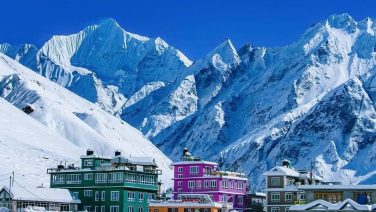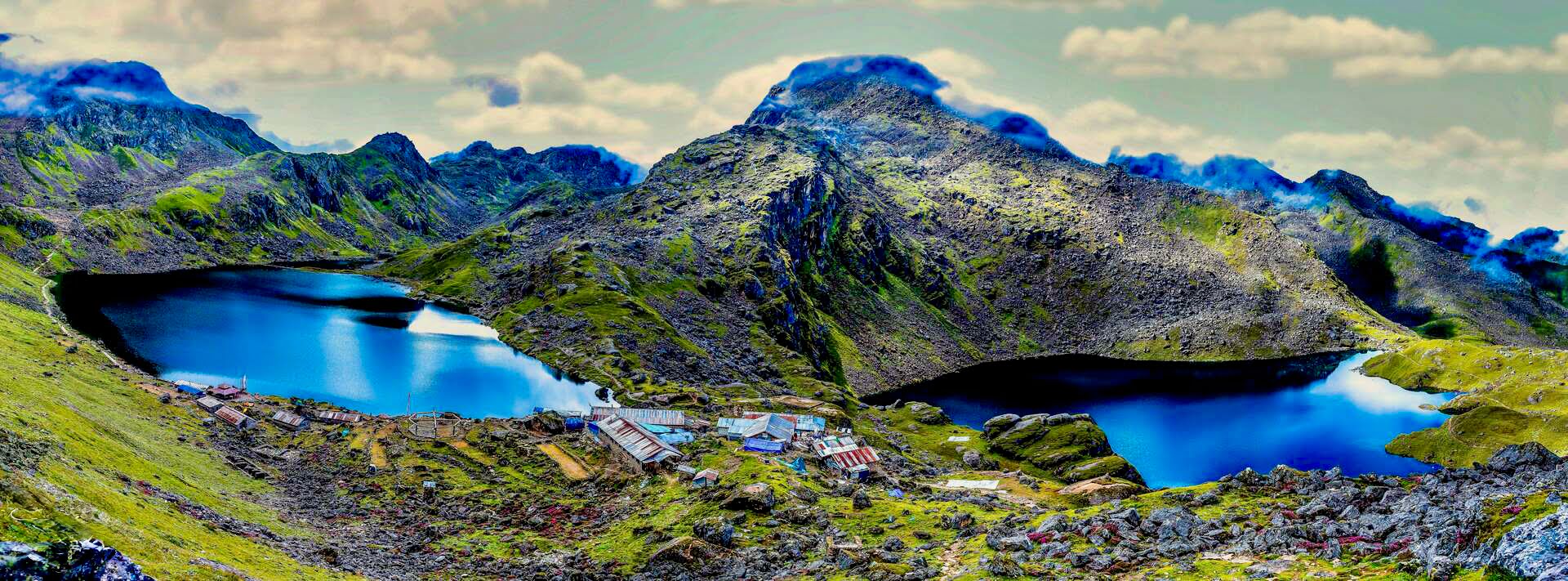
Is the Langtang Gosaikunda Trek difficult?
The Langtang Gosaikunda Trek, also written as the Langtang Gosainkunda Trek, is a moderate to challenging teahouse trek that suits walkers with good general fitness, some uphill stamina, and respect for altitude. It is harder than a Langtang Valley-only trek because it combines the valley approach to Kyanjin Gompa with a longer high-route crossing over Laurebina Pass at 4,610 m / 15,124 ft. Most walking days are around five to six hours, but the pass day can feel significantly longer and more tiring.
If you want a route with mountain villages, monastery stops, alpine lakes, and no domestic flight, this combined itinerary is a practical alternative to Nepal’s fly-in trekking routes. Exotic Mountains runs it as a guided 14-day Langtang Gosaikunda Trek including Kathmandu arrival and departure.
- Duration: 14 days including Kathmandu
- Highest point: Laurebina Pass, 4,610 m / 15,124 ft
- Key lake altitude: Gosaikunda, 4,380 m / 14,370 ft
- Approximate trekking distance: 100–120 km
- Accommodation: Teahouses and lodges
- Best seasons: March to May and September to November
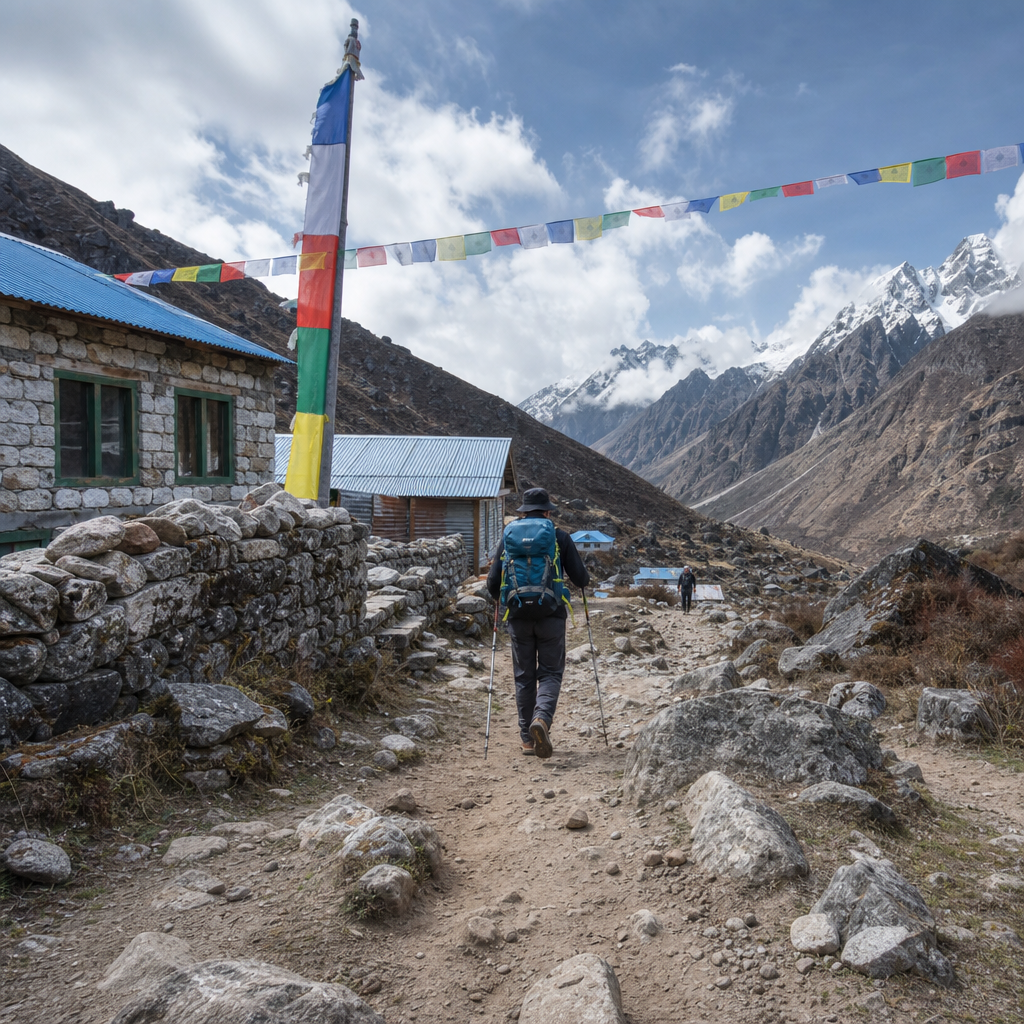
Route overview and daily flow
The published route follows Kathmandu → Syabrubesi → Lama Hotel → Langtang Village → Kyanjin Gompa → exploration/acclimatization day → Lama Hotel → Thulo Syabru → Shin Gompa → Gosaikunda → Laurebina Pass → Ghopte → Kutumsang → Chisapani → Kathmandu.
This progression matters. You first go up Langtang Valley, spend time at Kyanjin Gompa, then return and curve south-east toward the sacred lakes of Gosaikunda before crossing the pass and descending through Helambu-side settlements. That layout gives variety, but it also means more cumulative ascent and descent than a straightforward out-and-back valley trek.
Why the combined route is tougher than Langtang Valley only
Langtang Valley on its own is often the simpler choice for trekkers who want one main ascent, an acclimatization day, and a return by the same valley. The combined trek adds another demanding stage after that: the climb to Gosaikunda and the crossing of Laurebina Pass.
What makes it harder is not technical climbing. It is the combination of altitude, repeated long ascents, rough stone trails, and the fatigue that builds after several days. For many trekkers, the valley section feels manageable, while the pass section is where pacing, recovery, and weather become more important.
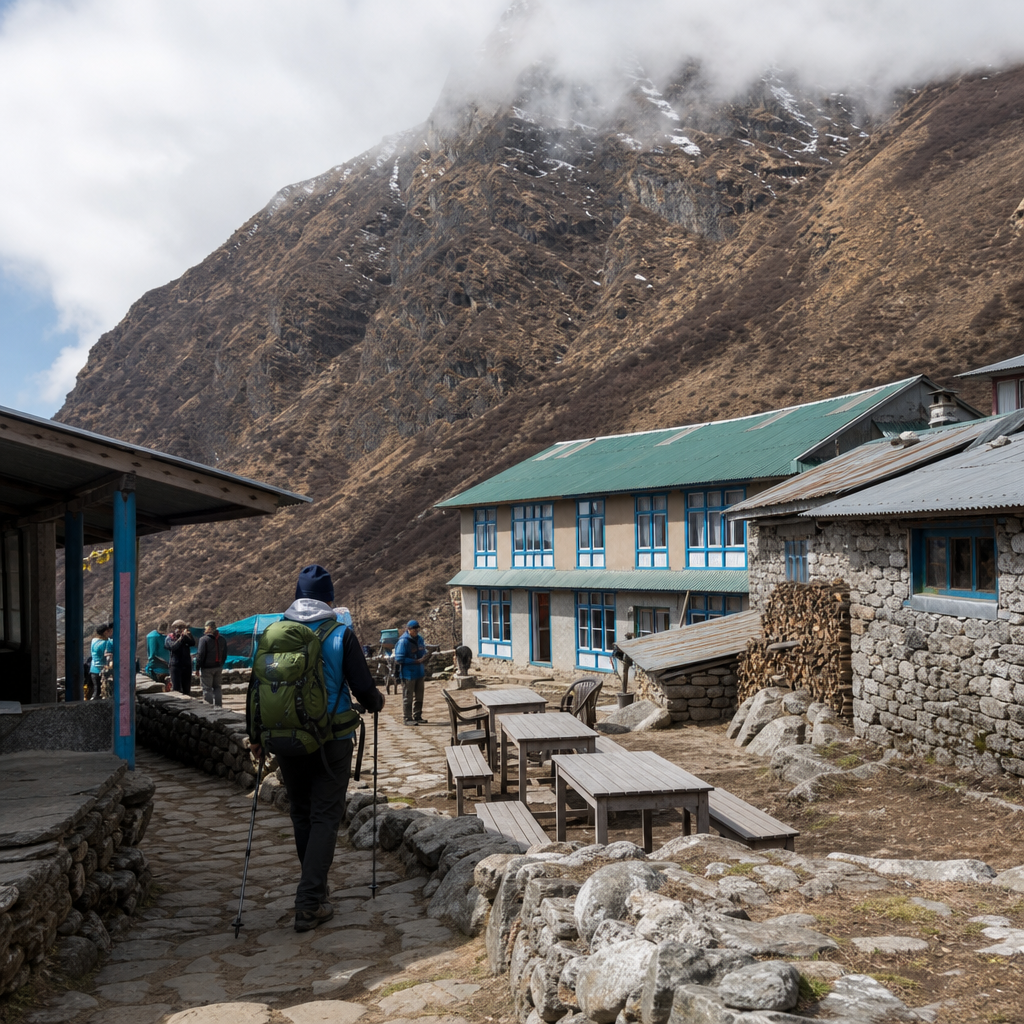
Altitude, acclimatization, and symptoms
The dedicated exploration and acclimatization day at Kyanjin Gompa is a useful part of the itinerary. It gives your body time to adjust before the higher lake and pass section. Even fit trekkers can feel altitude effects above 3,000 m.
Common symptoms can include headache, loss of appetite, unusual tiredness, nausea, poor sleep, or dizziness. The correct response is simple: do not keep ascending if symptoms appear, tell your guide early, and descend if symptoms worsen. No itinerary can guarantee prevention, and medication decisions should be discussed with a qualified medical professional before travel.
Best season, permits, and practical planning
The most reliable seasons are March to May and September to November. Spring usually brings milder temperatures and rhododendron forests lower down. Autumn is typically clearer. Winter can work for experienced trekkers, but snow and ice may affect Laurebina Pass. Monsoon brings rain, cloud, leeches on lower trails, and possible road disruption to or from Syabrubesi.
For permits, expect to need a Langtang National Park entry permit and an agency-issued TIMS card. Current Nepal Tourism Board guidance also lists this route among those requiring a licensed trekking guide. Rules and fees can change, so confirm details before departure through official pages for TIMS and park entry fees.
How to prepare for the trek
Start training about eight to twelve weeks before departure if you are not already hiking regularly. Build toward three to five sessions each week, combining steady cardio with hills or stairs, leg-strength work, and progressively longer walks. In the final month, include occasional back-to-back walking days and carry the light daypack you expect to use on the trail. The aim is consistent endurance, not speed.
- Footwear: Use broken-in boots with dependable grip; do not arrive with a new pair.
- Layers: Pack a moisture-managing base layer, insulation, and waterproof outer shell.
- Cold protection: Bring warm gloves, a hat, and a sleeping bag appropriate for high-altitude teahouse nights.
- Trail routine: Carry water, sun protection, basic first-aid items, and snacks in your daypack.
- Insurance: Check that your policy covers trekking at the route’s maximum altitude and emergency evacuation.
Teahouses provide simple rooms and meals. Charging and internet may be available in some settlements, usually for a fee, but neither should be treated as guaranteed. For broader planning, read our trek selection advice, Langtang background guide, travel insurance guidance, and main Nepal trekking hub.
FAQ
How many days does it take? The published Exotic Mountains itinerary is 14 days including Kathmandu arrival and departure.
How far is the trek? Usually about 100–120 km depending on side trips, lodges, and pickup point.
Is it suitable for beginners? It is not an easy beginner trek. A fit first-time trekker may complete it with proper training, conservative pacing, acclimatization, and experienced guide support.
What is the highest altitude? Laurebina Pass at 4,610 m / 15,124 ft.
Do I need a guide and permits? Yes, plan for a licensed guide, TIMS card, and Langtang National Park permit.
For a closer look at the route, review the 14-day Langtang Gosainkunda Trek or ask Exotic Mountains about pacing options and private departures.