Quick answer: The Manaslu Circuit is a remote, high-altitude teahouse trek for travelers who want quieter trails and can commit roughly two weeks to the route. The main challenge is not technical climbing. It is the combination of long walking days, basic facilities, changing weather and the 5,160 m (16,929 ft) crossing of Larkya La. Because part of the route lies in a restricted area, permits must be arranged through a registered trekking agency, and you should plan to trek with a licensed guide.
This guide explains the decisions that matter before you book: route length, permits, acclimatization, difficulty, seasons, teahouses, transport and preparation. For our complete 15-day itinerary and included services, see the Manaslu Circuit Trek.
Is the Manaslu Circuit right for you?
Manaslu suits experienced hikers and well-prepared first-time Himalayan trekkers who prefer a quieter route to Nepal’s busiest trails. The lower valley follows the Budhi Gandaki through warm, green terrain. Higher up, the landscape becomes colder and more open as the route reaches villages such as Samagaon and Samdo before crossing Larkya La.
Choose Manaslu if you value a slower journey, village-to-village trekking and a route where logistics still matter. It is less suitable if you want luxury accommodation, a short holiday, flexible solo travel or easy access to medical facilities. The trail is remote enough that poor pacing, unsuitable gear or an overly compressed itinerary can quickly become serious problems.
| Typical total trip | About 14–16 days including arrival, transport and acclimatization |
| Highest point | Larkya La, 5,160 m / 16,929 ft |
| Accommodation | Simple teahouses and mountain lodges |
| Main difficulty | Altitude, long days, cold and remote logistics |
| Preferred seasons | Spring and autumn |
| Guide and permits | Restricted-area arrangements through a registered agency |
What route does the Manaslu Circuit follow?
The circuit approaches Mount Manaslu from the Budhi Gandaki valley, climbs through the upper Nubri area and crosses Larkya La before descending toward Bimthang and the Annapurna side of the route. Road access changes over time, so the exact first and final walking points can vary with road conditions and the operator’s itinerary.
Our 15-day plan includes arrival and departure days, overland transport, steady ascent through Jagat, Deng and Namrung, an acclimatization day in Samagaon, another measured day around Samdo, the Larkya La crossing and the descent through Bimthang to Dharapani. Those acclimatization days are not wasted time. They are part of a responsible high-altitude itinerary.
Important stages of the route
- Lower Budhi Gandaki valley: warmer temperatures, river crossings, cultivated slopes and frequent ascents and descents.
- Jagat to Namrung: entry into the restricted section and a noticeable change in landscape and culture.
- Samagaon: a key acclimatization base with optional day hikes, depending on weather and the group’s condition.
- Samdo and Dharamsala: colder, more exposed terrain where pacing and monitoring symptoms become especially important.
- Larkya La: the highest and usually longest day, followed by a substantial descent toward Bimthang.
- Bimthang to Dharapani: return to lower elevations and connection with the Annapurna trail network.
Which permits do you need for the Manaslu Circuit?
The Manaslu Circuit passes through a restricted area and two conservation areas. Most itineraries therefore require three separate permissions:
- Manaslu Restricted Area Permit for the controlled section of the route.
- Manaslu Conservation Area Permit (MCAP).
- Annapurna Conservation Area Permit (ACAP) because the standard circuit exits through the Annapurna Conservation Area.
According to the current Nepal Department of Immigration permit schedule, the Manaslu restricted-area fee for foreign trekkers is US$100 per person for the first week from September through November, then US$15 per additional day. From December through August, it is US$75 for the first week, then US$10 per additional day. The Nepal Tourism Board currently lists MCAP and ACAP entry at NPR 3,000 each for foreign visitors.
Regulations and fees can change. Confirm them with your trekking agency shortly before the permit application rather than budgeting from an old blog or screenshot.
Can you trek the Manaslu Circuit alone?
Do not plan Manaslu as an independent solo trek. Restricted-area permits are issued through registered trekking agencies, and the route is operated with a licensed guide. Standard permit processing also applies a minimum group requirement. If you are traveling alone, ask the agency exactly how it will meet the current permit conditions before paying a deposit.
A guide is valuable here for more than paperwork. Road conditions, lodge availability, weather, landslides, snow and individual acclimatization can all change the day’s plan. Good guiding means making sound decisions when the original itinerary is no longer the safest one.
How difficult is the Manaslu Circuit Trek?
Manaslu is a challenging high-altitude trek, although it does not require mountaineering skills in normal trekking conditions. Most travelers find the repeated ascent, long pass day and cold more demanding than any single technical section.
You should be comfortable walking for five to seven hours on consecutive days. The Larkya La crossing can take longer, depending on the group, trail and weather. Underfoot conditions may include stone steps, loose ground, mud, snow or ice. A strong flat-road fitness level does not automatically translate to comfort on steep Himalayan trails.
How should you train?
- Build aerobic endurance with regular uphill walking, cycling, running or stair work.
- Complete progressively longer hikes with the footwear and daypack you will use in Nepal.
- Practice back-to-back hiking days instead of relying on one hard workout each week.
- Strengthen calves, quadriceps, glutes and core, with particular attention to controlled downhill movement.
- Arrive rested. A last-minute burst of training is more likely to cause injury than improve fitness.
Fitness helps you manage the workload, but it does not prevent altitude illness. Even very fit people must acclimatize.
How should you plan for altitude and acclimatization?
The route sleeps above 3,500 m at Samagaon and continues higher through Samdo and Dharamsala before the 5,160 m pass. A sound itinerary increases sleeping altitude gradually and includes time for the body to adjust.
The CDC’s high-altitude guidance recommends gradual ascent and advises travelers not to continue to a higher sleeping altitude when symptoms of altitude illness are present. If symptoms worsen despite rest at the same elevation, descent is necessary. Headache, nausea, unusual fatigue, dizziness and disturbed sleep should never be dismissed simply because the itinerary says the group must move.
Two practical rules matter on Manaslu: report symptoms early and keep the itinerary flexible. Medication such as acetazolamide may be appropriate for some travelers, but it should be discussed with a medical professional before the trek. It is not a substitute for a sensible ascent.
When is the best time to trek Manaslu?
Autumn: September to November
Autumn is popular for stable trekking conditions and clear mountain views. Early September can still carry monsoon moisture, while later autumn brings colder nights at higher elevations. October and November are usually busier than the rest of the year, so lodge planning matters even on a quieter circuit.
Spring: March to May
Spring offers longer daylight, warming conditions and flowering forests at lower elevations. Snow can remain around Larkya La early in the season, while late May can become warmer and cloudier lower in the valley.
Winter and monsoon
Winter travel can bring severe cold, snow and lodge closures near the pass. Monsoon travel adds heavy rain, landslide exposure, muddy trails and transport disruption in the lower valley. These seasons demand more flexibility and are not the best default choice for a first Manaslu trek. Conditions vary from year to year, so a calendar alone cannot confirm whether the pass will be safe.
What are teahouses like on the Manaslu Circuit?
Manaslu is a teahouse trek, but facilities become simpler as you gain altitude. Expect twin rooms with basic bedding, shared toilets at many lodges and dining rooms warmed in the evening when fuel is available. A warm sleeping bag remains important because bedrooms are generally not heated.
Menus usually include dal bhat, noodles, soups, potatoes, rice dishes, Tibetan bread, eggs and hot drinks. Choice narrows higher on the trail, and fresh ingredients become harder to transport. Carry a modest supply of familiar snacks, but avoid packing more weight than you need.
Hot showers, device charging and Wi-Fi may be available for an additional fee in some villages. None should be treated as guaranteed. Carry cash in small denominations, a power bank and a backup method for water treatment. Mobile coverage is inconsistent.
What should you know about road transport?
The drive between Kathmandu and the trail is part of the Manaslu experience. It can be long, rough and affected by rain, construction or landslides. Private jeeps provide more control over stops and timing, while local transport is less expensive but generally slower and less comfortable.
Keep a buffer day in Nepal after the trek whenever possible. A tight international departure immediately after the planned return leaves little room for road delays, weather or a necessary itinerary change.
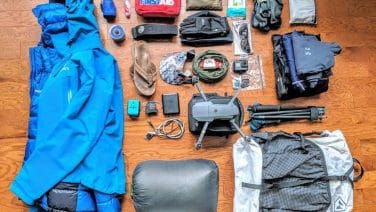
What should you pack for Manaslu?
- Broken-in trekking boots with reliable grip.
- Moisture-managing base layers and a warm mid-layer.
- Insulated jacket and waterproof shell.
- Warm hat, sun hat, gloves and spare socks.
- Sleeping bag suitable for cold mountain nights.
- Trekking poles, particularly for the long descent from Larkya La.
- Sun protection, sunglasses and a personal first-aid kit.
- Water bottles plus a dependable purification method.
- Headlamp, power bank and dry bags for electronics and documents.
For more detail on layering, footwear and rain protection, read our trekking clothing guide for Nepal.
What insurance and safety planning do you need?
Choose travel insurance that explicitly covers trekking above 5,000 m and emergency evacuation in Nepal. Read the policy wording rather than relying on a sales summary. Some plans exclude high-altitude trekking, organized tours or helicopter evacuation unless a specific activity option is added.
Carry the insurer’s emergency contact details and understand its authorization process. An evacuation decision is made for health and safety reasons; whether the insurer later pays depends on the policy. Our guide to Nepal trekking travel insurance explains what to check before departure.
Common Manaslu planning mistakes
- Choosing the shortest itinerary: removing acclimatization days to save time increases risk.
- Treating the pass as the only hard day: fatigue accumulates well before Larkya La.
- Using outdated permit information: fees and procedures should be checked against official sources.
- Ignoring road delays: the route begins and ends with overland transport that can change at short notice.
- Assuming all teahouses offer the same facilities: comfort, power, showers and connectivity decline with altitude and remoteness.
- Booking inadequate insurance: a policy that covers ordinary hiking may still exclude this altitude.
- Overpacking: extra weight creates daily strain and may exceed the agreed porter allowance.
Manaslu, Everest or Annapurna?
Choose Manaslu for a quieter circuit, restricted-area culture and a strong sense of progression through changing valleys. Choose Everest Base Camp if the Khumbu’s mountain history, Sherpa settlements and close views of Everest are your priority. Choose Annapurna if you want the widest range of trip lengths and easier access from Pokhara.
Manaslu is not automatically “better” because it receives fewer visitors. Remoteness means simpler services and more complicated logistics. The right choice depends on your available days, fitness, comfort expectations and appetite for uncertainty. Our guide to choosing the right trek in Nepal can help you compare those factors.
Manaslu Circuit Trek FAQs
How many days do you need for the Manaslu Circuit?
Most responsible plans allow about 14–16 days including arrival, transport and acclimatization. The walking portion may be shorter, but international travelers should also keep a buffer for road, weather and health-related delays.
Is Manaslu harder than Everest Base Camp?
They are difficult in different ways. Manaslu has a high pass, longer road access and more limited services. Everest Base Camp reaches a higher sleeping altitude and has its own demanding ascent profile. Your itinerary, pace, weather and prior hiking experience matter more than a simple label.
Do you need previous high-altitude experience?
It is helpful but not compulsory for every healthy, well-prepared trekker. You should have experience with consecutive full hiking days and understand that acclimatization cannot be rushed. Discuss relevant medical conditions with a clinician familiar with altitude travel.
Can the Manaslu itinerary be customized?
Yes, within permit, safety and route constraints. Extra acclimatization or buffer days are often more useful than compressing the trek. Tell the operator about your experience, preferred pace and international flight dates before the itinerary is finalized.
Plan the Manaslu Circuit with a local team
A successful Manaslu trek depends on a realistic itinerary and good decisions on the trail. Exotic Mountains’ 15-day Manaslu Circuit Trek includes guide support, permits, ground transport, teahouse accommodation and meals during the trek. If you are unsure whether the route matches your experience, contact us with your planned travel month, available days and recent hiking background. We will give you a practical answer before recommending a booking.
15-Day Manaslu Circuit Trek (Larkya La Pass 5,106m)
Experience Nepal’s premier uncrowded teahouse wilderness. Our all-inclusive 15-day expedition includes the mandatory Government Restricted Area Permit (RAP), MCAP, ACAP, private jeep transport to Machha Khola, licensed local Sherpa guide, porters, and all teahouse meals.