Update — 1 September 2026: Search, rescue, evacuation and relief operations are continuing after the 26 August flash flood. Nepal’s preliminary government situation reporting now indicates roughly 1,000 deaths and nearly 4,000 people missing in Nepal, with a much wider humanitarian impact across the affected corridor. These figures remain provisional and may change as teams reach isolated areas, recover bodies and verify reports. The Government of Nepal continues to direct readers to updates from NDRRMA, Nepal Police and the Nepal Tourism Board.
This is a human tragedy first. Families are grieving, communities have been displaced, and roads, bridges, schools, health facilities, hydropower infrastructure, water systems and communications have been damaged. The impact is being felt both in the immediate flood zone and downstream along connected river systems.
What happened
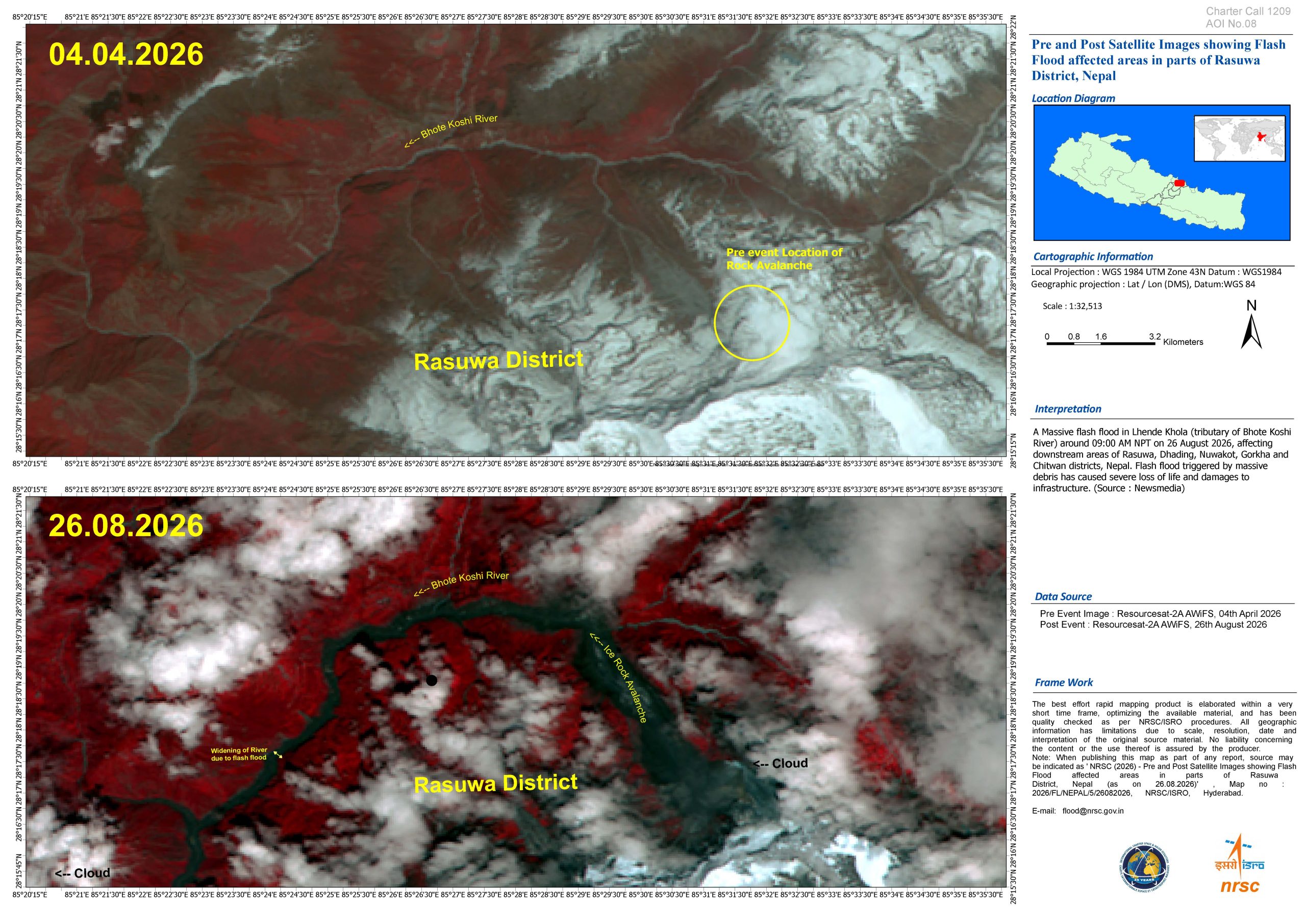
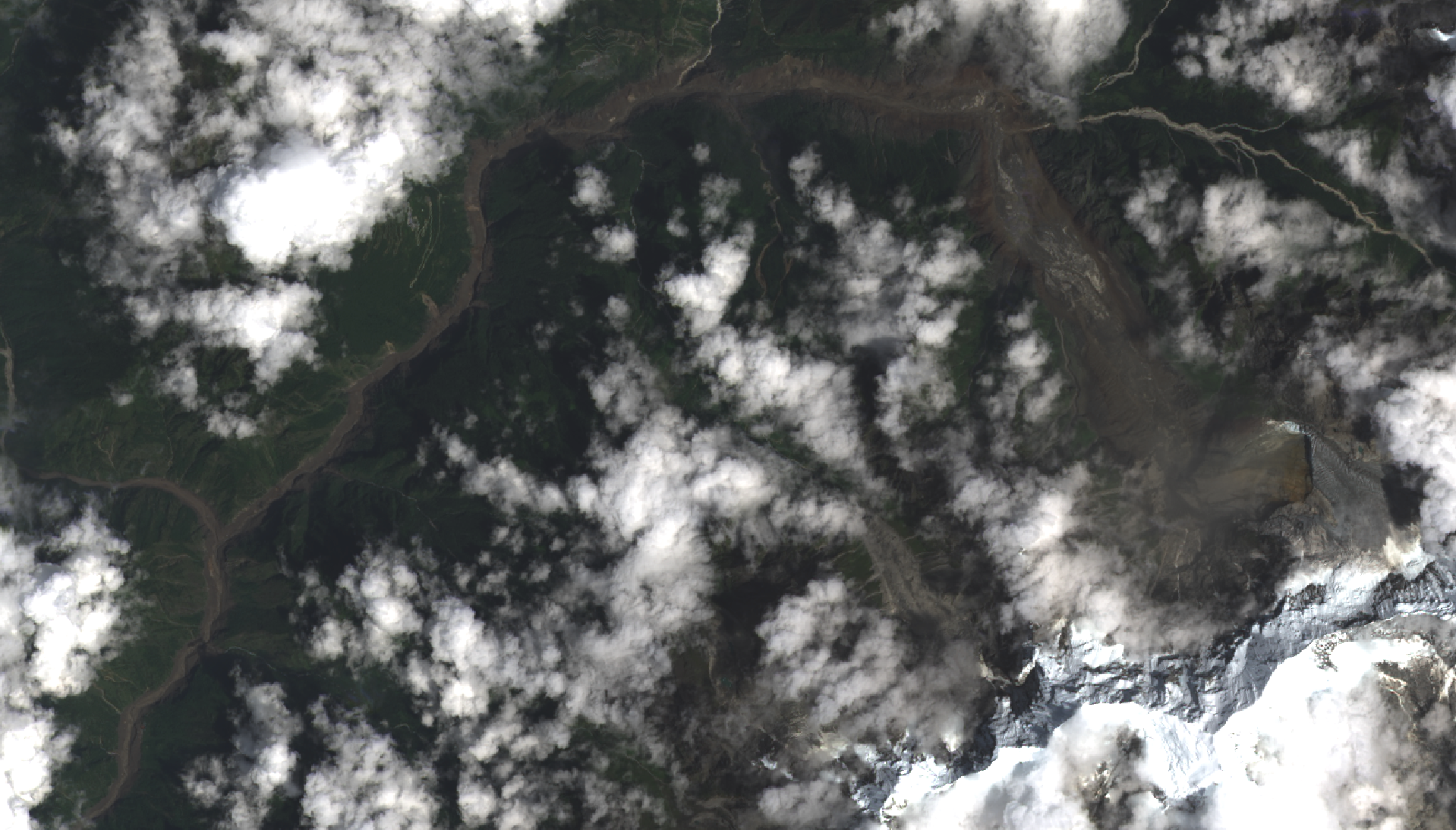
The Government of Nepal’s Permanent Mission to the United Nations reported that the flash flood caused loss of life, widespread displacement and extensive damage to public infrastructure. The affected corridor includes Rasuwa and downstream areas connected to the Bhote Koshi, Trishuli and Narayani river systems.
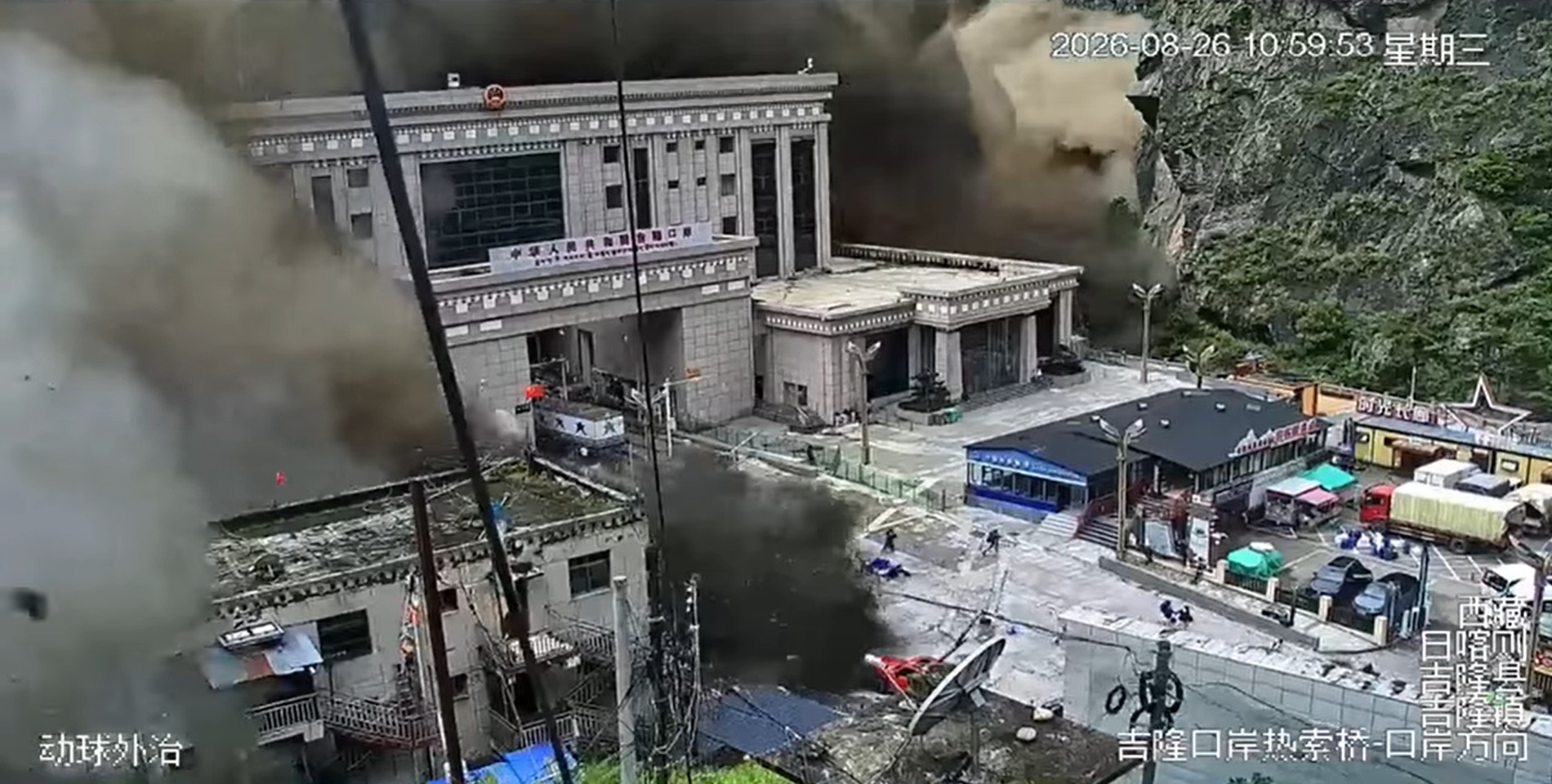
The scale of the disaster is still becoming clear. The Mission said that local people and foreign tourists were among those reported missing and that figures remained subject to verification as search-and-rescue teams continued their work. Read the Government of Nepal’s latest notice. The Rising Nepal photo feature documents rescue operations by the Armed Police Force and Nepali Army.
The humanitarian impact
UNICEF reported that more than 17,000 children had been affected in Rasuwa, Nuwakot and Dhading. It also described damage to homes, classrooms, medical facilities, roads, bridges, water systems and telecommunications networks. Some communities remain difficult to reach, which makes the delivery of food, clean water, medical care, hygiene supplies and protection services harder.
UNICEF is working with the Government of Nepal and humanitarian partners on health, nutrition, water and sanitation, education, child protection and emergency support. Its situation report also notes that the needs assessment is continuing, so the response will develop as access improves. See UNICEF’s 27 August update.
What remains uncertain
Early reports have changed quickly as bodies are recovered, missing people are located, and teams reach areas that were cut off. Different updates may therefore show different totals. Readers should use current notices from the Government of Nepal, Nepal Police, local authorities and established humanitarian organizations rather than relying on old social posts or forwarded messages.
The cause and full geographic footprint also require careful reporting. It is too early to reduce a complex Himalayan flood to a single explanation while assessments are under way. What is confirmed is the extent of the damage and the urgent need for search, rescue, medical assistance and relief.
What travelers should do
If you are in or near an affected area, follow instructions from local authorities and your guide or operator. Do not approach swollen rivers, damaged bridges, unstable slopes or blocked roads to take photographs. Keep family and travel companions informed through reliable channels, and allow authorities and responders space to work.
If you are planning a trek or tour in Nepal, do not assume that a route, road, border crossing, lodge, flight or transport connection is operating normally. Reconfirm each part of the current itinerary and contingency plan with the relevant authority and your operator before departure. Conditions can vary between regions: a disaster in one river corridor does not automatically mean that every trekking area is closed, but the scale of this event makes route-specific confirmation especially important. Build flexibility into transport days and avoid treating an old itinerary or social post as a live travel advisory.
Our existing guidance on flight delays and buffer days for Everest and travel insurance for Nepal trekking may help with planning, but neither replaces a current route check after a major disaster. Contact the Exotic Mountains team if you need to discuss whether a planned itinerary remains appropriate.
Standing with Nepal
Exotic Mountains extends its deepest sympathy to everyone who has lost a loved one, to families still waiting for news, and to the communities facing displacement and recovery. Nepal’s immediate priority is saving lives and supporting affected people. We will continue to point travelers toward current official information and encourage patience, care and practical support.
Sources
Current situation sources — 1 September 2026: Government of Nepal Ministry of Foreign Affairs briefing and The Kathmandu Post report on the preliminary government situation report.
- ESA/NRSC-ISRO satellite imagery of the 2026 Nepal floods (CC BY-SA 3.0)
- Government of Nepal: Flash Flood in Bhote Koshi River of Nepal (updated 27 August 2026)
- UNICEF: Flash floods in Nepal leave more than 17,000 children in need of urgent humanitarian assistance (27 August 2026)
- The Rising Nepal: Rescue operation in flood-hit area (photo feature) (27 August 2026)
- CCTV screenshot source: Mudslide at Gyirong Port 2 (public-domain status marked on Wikimedia Commons)
- The Kathmandu Post: Nepal flood death toll rises as search continues (27 August 2026)