Trekking in Nepal in December can suit a well-chosen itinerary, but winter changes the decision. Start with the height of your overnight stops, your comfort in cold weather and the flexibility in your travel dates. A lower-elevation trek and a journey to Everest Base Camp are different winter commitments, even when both promise mountain views.
If this is your first winter trek, compare an Annapurna foothill route such as Ghorepani–Poon Hill before committing to a high base camp or a compulsory pass crossing. Treat that as a starting point for a planning conversation, not confirmation that a particular trail is open. Your final route needs current weather, trail and accommodation checks.
What is Nepal’s weather like in December?
Nepal has no single December climate. The Nepal Tourism Board’s climate guidance describes severe winters in the north and sub-zero conditions in mountain areas, while lower places can be much milder. Bright weather and mountain views are possible; sunshine is not a promise of warm walking or an open route.
A Kathmandu or Pokhara weather app is useful for your city stay, not for choosing equipment for a mountain overnight. Ask for information relevant to your actual sleeping places and highest walking sections. Check recent conditions as well as the forecast: the weather ahead does not tell you what snow or ice is already on the trail.
The Tourism Board’s trekking overview also notes winter’s shorter days. Build walking stages around usable daylight, your pace and the time needed for stops. A long summer walking day should not simply be copied into a December plan.
Choose the overnight itinerary, not just the viewpoint
Before comparing photographs, put the overnight stops side by side. Our current itineraries illustrate the difference:
| Route example | Daytime objective | Overnight example |
|---|---|---|
| Ghorepani–Poon Hill | Poon Hill: 3,210 m | Ghorepani: 2,860 m |
| Annapurna Base Camp | Base camp: 4,130 m | Base camp: 4,130 m |
| Everest Base Camp | Base camp: 5,364 m | Gorak Shep: 5,164 m |
These are selected stops from the published routes, not complete altitude profiles or confirmed December departures. A maximum-height figure alone does not explain how many nights you spend high up, which sections depend on conditions or where you could shorten the trip.
Ghorepani–Poon Hill: a lower overnight comparison
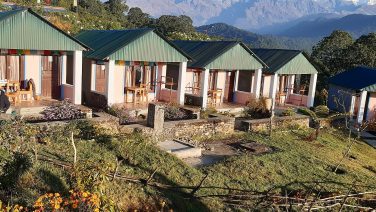
The Ghorepani Poon Hill itinerary visits Ghorepani, Tadapani and Ghandruk, with a viewpoint hike rather than an overnight at Poon Hill. This makes it a useful comparison if village stays and mountain views matter more to you than reaching a high base camp.
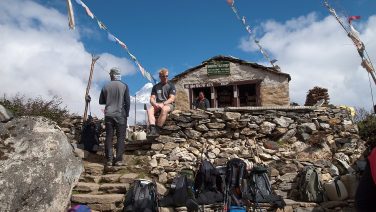
Lower elevation does not remove winter weather or make every walking day easy. The published route includes steep stone staircases. Ask specifically about the condition of those steps and the forest sections, and whether the early viewpoint walk is appropriate on your dates. The listed nine-day package also includes arrival, city stays and transfers; it is not nine days of trail walking.
Annapurna Base Camp: review the upper section separately
The Annapurna Base Camp route continues well beyond the lower villages to a planned overnight at 4,130 m. Do not assume that conditions around Pokhara or Ghorepani describe the upper Sanctuary approach.
Before choosing it for December, ask your planner to explain the current assessment of the upper trail, the accommodation plan and the alternative if the final approach is unsuitable. A trip can still be worthwhile when its route changes, but that possibility should be discussed before you book.
Everest Base Camp: more than a cold viewpoint visit
The Everest Base Camp itinerary includes several high overnight stops, including Gorak Shep, and acclimatization days at Namche Bazaar and Dingboche. Keep those planned acclimatization days when discussing winter logistics; they are not spare days to absorb flight delays.
The CDC’s Nepal guidance distinguishes winter conditions in the lowlands from potentially uncomfortable cold in the high mountains and highlights altitude risk on Everest-region treks. Discuss your health and altitude preparation with a travel-health professional. A quieter trail or a clear forecast does not resolve those questions.
For any route with a compulsory high-pass crossing, ask what happens if the crossing cannot be used. If your holiday only works when that one section is passable, consider an itinerary with a more acceptable alternative.
Early December or late December?
A date on the calendar is not a trail-opening rule. Avoid treating early December as automatically suitable or assuming every route closes later in the month. Your exact route, recent weather and the conditions at departure matter more than a generic monthly label.
If your travel falls over Christmas or New Year, work backwards from your international flight. Decide which days are for trekking, which are for transfers and which remain flexible. A buffer day should be genuinely available for disruption, rather than already committed to another essential connection.
Confirm the lodge and return-travel plan
Before paying for a December trek, request an overnight plan with a clear distinction between confirmed arrangements and items that will be reconfirmed closer to departure. Useful questions include:
- Which lodges are expected to operate on our dates, and what is the alternative if one is unavailable?
- What bedding is provided, and should we expect heating in the bedroom or only in a shared area?
- What water, bathroom and charging facilities should we plan around?
- Which meals, equipment and additional nights are included in this particular quote?
Our teahouse trekking guide explains the accommodation questions in more detail. Confirm the answers for your own route; one lodge description should not become a promise for every overnight.
The UK government’s Nepal advice warns about sudden mountain weather changes, snow-related hazards and disruption to internal flights. If your plan uses Lukla, read our Lukla delay and contingency guide and agree a realistic return margin. Do not make a helicopter your guaranteed backup.
What should you pack for trekking in Nepal in December?
Build your equipment list around the proposed itinerary, then have it checked for the expected conditions. Start with adjustable layers, insulation for rest stops and evenings, protection from wind and wet weather, warm headwear and gloves, suitable footwear and a headlamp. REI’s cold-weather hiking guidance explains how layering lets you adjust clothing as effort and conditions change.
For a sleeping bag, ask about the expected overnight conditions, the bedding arrangement and the manufacturer’s comfort rating. A bag’s comfort and lower-limit ratings are different measures, as REI’s sleeping-bag guide explains. One temperature rating cannot sensibly cover every Nepal route or every sleeper.
Discuss traction equipment with your guide for the specific terrain and conditions. Carrying equipment does not by itself make an unsuitable section appropriate to cross. Confirm what you bring, what is supplied and how equipment fit will be checked before departure.
Six checks before you commit to a December trek
- Read every overnight altitude. Compare the full sequence, not only the destination height.
- Identify the route’s limiting section. Ask which viewpoint, approach or crossing may require a change.
- Keep the itinerary realistic. Allow for daylight, your walking pace, planned acclimatization and transport.
- Confirm the accommodation and equipment. Separate arrangements already agreed from those still subject to confirmation.
- Check requirements for the exact route. Have current guide and permit requirements explained, and confirm with your insurer that the activity, altitude and rescue arrangements are covered.
- Agree the alternative. Know what a shorter route, extra overnight or delayed return would mean for your holiday and costs.
Review the Department of Hydrology and Meteorology’s official forecasts close to departure and during the trip, alongside local trail information. A seasonal article helps you prepare questions; it cannot confirm conditions weeks in advance.
Common December trekking questions
Is December suitable for a beginner?
It depends on the itinerary and the person. Start by comparing lower overnight stops, manageable walking stages and an alternative you would be happy to take. Tell your planner about your hiking experience and how you cope with cold; do not rely on a route being labelled “easy.”
Will there be snow?
No monthly guide can promise snow at a particular stop or a snow-free trail. Ask about recent conditions on the exact sections you will walk, then recheck before setting out. Choose a trip you would still enjoy if a viewpoint or upper section has to be missed.
Should I choose December or another season?
If avoiding cold nights is a priority, compare other dates before committing to winter. Nepal Tourism Board identifies spring and autumn as the main trekking seasons. If December is your available window, adjust the route to that constraint rather than assuming your first-choice itinerary will suit it.
Discuss a route that fits your December dates
Use our Nepal trekking overview to compare the wider options, then send your dates and route questions to Exotic Mountains. Include your group size, recent hiking experience, comfort with cold nights and the date you must be back in Kathmandu. Those details make a route discussion more useful than asking only which trek is “best in December.”