TL;DR:
- Annapurna Circuit, renowned for its views and cultural experiences, is a top choice for trekkers.
- Cultural encounters with locals enrich trekking experiences, offering insights into Nepali life and supporting economies.
- Family-friendly treks like Ghorepani Poon Hill are ideal for their moderate climate and beautiful scenery.
- Trek preparation includes essential gear and understanding altitude sickness; Oct-Dec and Mar-May are best for clear skies and safe trails.
- Kathmandu offers historical sites, shopping, and nightlife, with treasures like Durbar Square and Thamel.
- Tranquility seekers can find secluded spots and yoga retreats for peaceful escapes, like Bandipur or Pokhara.
- Sustainable trekking practices and cultural sensitivity are crucial for minimizing impact and showing respect.
- Culinary delights for trekkers include momos and dal bhat, enhancing the trekking experience with local flavors.
- Poon Hill is recommended for beginners, with diverse activities available to complement trekking in cities like Kathmandu and Pokhara.
Are you itching for adventure with a mix of rich culture? Nepal is your spot! From trekking mighty peaks to exploring lively markets, there’s plenty to do here. I’ve got the insider tips to make each step unforgettable. Gear up for a thrilling ride through Nepal’s top experiences—each one is a story waiting for you. Let’s dive into where to start on this awesome journey!
Table of Contents
What Are the Can’t-Miss Experiences When Trekking in Nepal?
 Why is Trekking the Annapurna Circuit a Bucket-List Journey?
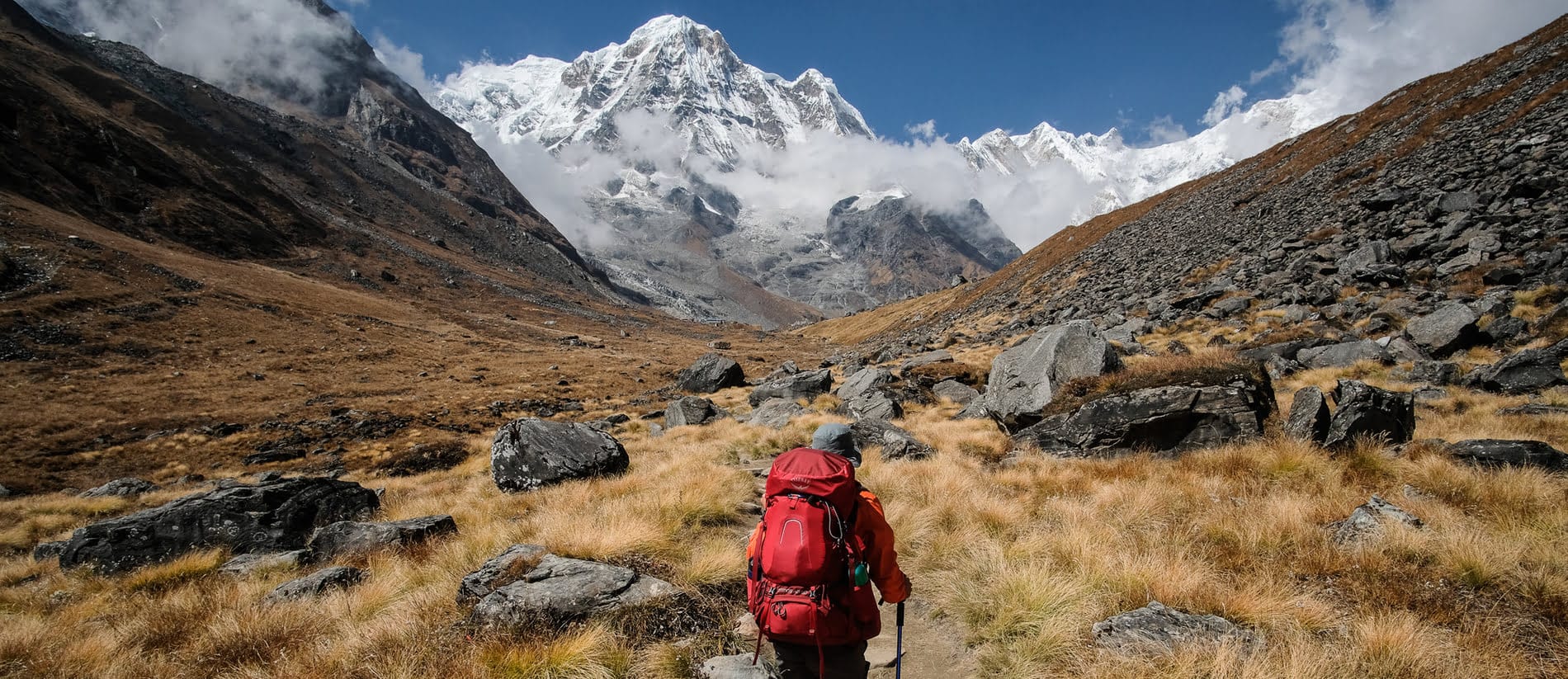
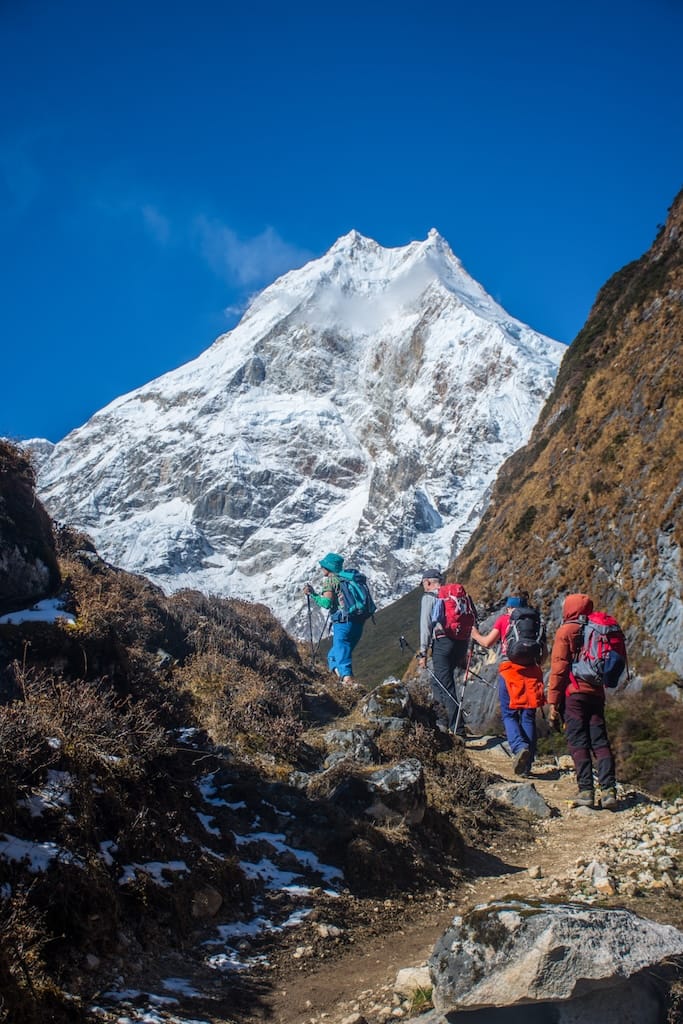
The Annapurna Circuit is a top trek in Nepal. It offers stunning views and cultural sights. Most trekkers feel it’s a must-go. Ok, now let me tell you why. This trek wraps you in Nepal’s natural beauty. You’ll pass through green forests, and desert cliffs, and see the Annapurna Range up close. Picture this: each turn on the trail gives one more “wow” than the last. It’s not just the views. On this journey, you’ll find tea houses and warm smiles from locals. And the best part? Every step is a step into Nepal’s rich culture. It’s like walking through a living museum of nature and tradition. Imagine ending a day’s hike with a plate of momos as high peaks hug the horizon. That’s the Annapurna Circuit.
Can Cultural Encounters Enhance Your Trekking Expedition in Nepal?
Yes, they can! Meeting Nepalis is part of the joy of trekking here. It makes your walk extra special. In tiny villages, you can learn how folks live. These encounters make a trek a true cultural dive. So how do they make it better? You learn local stories, music, and dances. You also see how traditions shape daily life. Plus, your visit can help the local economy too. Guests bring needed money to far-off areas. It’s a two-way street. You explore their world; they share their hearts. It’s the human touch that turns a good hike into a tale you’ll always tell.
What Are the Best Family-Friendly Treks in Nepal?
Nepal is great for family treks. There are trails that won’t tire out little legs. For example, the Ghorepani Poon Hill trek is a hit with families. It’s short, sweet, and gives great big mountain views. Ghorepani has a mild climate and good paths. Plus, it’s safe and peaceful. Along the way, you’ll find comfy guesthouses. They are perfect stops to rest with your clan. The trail is like a walk in a huge, open-air park. It has birds to watch, flowers to smell, and peaks that touch the skies. It’s a full Nepali treat, but wrapped in a smaller package. It’s nature, culture, and fun mixed together for folks of all ages.
How Do You Prepare for High-Altitude Trekking Adventures in Nepal?
What Gear Do You Need for a Trek in the Himalayas?
Pack light but pack smart. You’ll need warm clothes for cold nights. Hiking boots are a must. Don’t forget a hat, gloves, and sunscreen. A good sleeping bag will keep you cozy. Carry a first-aid kit for cuts and scrapes. Water purifiers will keep your water safe to drink. Finally, a sturdy backpack will hold all your stuff on the trails.
What Are the Physiological Challenges of High-Altitude Hikes?
The air up high is thin. You breathe in less oxygen. Your body may feel weak and dizzy. This is called altitude sickness. It can make your head hurt, your stomach sick, and your step wobble. Rest often and drink lots of water. If you feel really bad, it’s smart to go down to a lower height fast.
When Is the Best Time to Embark on a Nepalese Trek?
The best months for trekking in Nepal are October, November, and December. Skies are clear, which means great views. Trails are dry, making hiking safe and fun. March to May is also good, with warm weather and flowers blooming. Avoid the rainy season from June to September. Rain can make paths slippery and spoil your plans. No matter when you go, check the weather before you start your journey.
What Makes Kathmandu a Hub for Trekkers and Cultural Enthusiasts?
What Can You Explore in a Day Around Kathmandu?
Start your day at Swayambhunath, the Monkey Temple. It sits atop a hill. Views here stretch out over the cityscape to the mountains.
Kathmandu Durbar Square should be your next stop. It’s a place where kings of Nepal were once crowned. Temples and monuments show you history from centuries ago. You can walk across cobbled streets and beside ancient buildings.
Are you into food? Have a momo, a Nepali dumpling. They are found all over the city. These bite-sized delights are tasty and cheap, giving you a true taste of local flavors.
Finish your day with a stroll in Thamel. This area is full of shops. You will find things to buy in Nepal here. From handmade crafts to hiking gear, it’s a shopper’s paradise.
Where to Find the Best Shopping and Nightlife in Kathmandu?
Shopping is big in the heart of Kathmandu. Shops range from tiny stalls to big stores. Look for pashminas, prayer flags, and tea. They make great gifts or souvenirs.
For nightlife, Thamel is the place to go. From lively bars to cozy cafes, Thamel stays awake till late. Live music pours from many venues. Tourists and locals come together to chat and enjoy.
How Do Kathmandu’s Historical Sites Reflect Nepal’s Rich Heritage?
Kathmandu is full of stories. Each temple, each statue has a tale. The city has withstood time and disasters. Yet, it still stands proud with its monuments and history.
Patan, a short trip from the city center, takes you back to ancient times. You can visit beautiful Patan Durbar Square. It is less busy than Kathmandu but just as filled with historical treasures.
Temples like Pashupatinath and the Boudhanath Stupa are part of daily life for many. They are not just attractions; they are active places of worship.
Earthquakes have shaken Kathmandu’s foundations. But much remains, showing the resilience of its heritage. Take a tour and see how culture lives on in every carved wood detail and stone.
Can You Recommend Some Peaceful Retreats Away from the Tourist Trail?
What Are the Secluded Gems for Tranquility Seekers in Nepal?
For peace seekers, Nepal is a treasure. You find quiet nooks far from crowds in its serene landscapes. One of these is the ancient town of Bandipur. Here, time slows down among Newari culture and old-time charm. It sits high on a hill, unseen by most tourist maps. With no car horns or city buzz, Bandipur lets you breathe in true Nepal.
In the Kathmandu Valley lies Namo Buddha. This sacred Buddhist site is known less than others. You can find quiet monasteries and a stupa said to mark a place of compassion. The air is fresh, the scenery lush, and the calm is remarkable.
Are There Quiet Alternatives to the Popular Everest and Annapurna Treks?
Yes, there are quiet treks away from the common paths of Everest and Annapurna. The Kanchenjunga Base Camp Trek is less known. It takes you through remote mountain lands in eastern Nepal. You need more time for this trek, but the sights of raw nature and less-traveled trails are worth it. The Makalu Base Camp Trek is another. It leads adventurers through diverse forests to the base of the world’s fifth-highest peak, also without the busy paths.
Which Are the Best Locations for Meditation and Yoga in Nepal?
Nepal offers perfect spots for those who wish to meditate or practice yoga. The hills around Pokhara come to mind first. They are peaceful and give stunning views of the snow-capped peaks. Then, there’s Lumbini, the birthplace of Buddha. This place is not just a historic site, it’s also a spot where the spiritual energy is strong. You can join in meditative practices at one of the many monasteries.
In Kathmandu, you can escape to a yoga retreat. These places let you find inner peace while looking at the Himalayas. They offer daily yoga classes, meditation sessions, and healthy food. You grow not just in body strength but also in spirit.
These silent spots show you another side of Nepal. These are the places where Nepal’s heart beats slow and steady, away from the busy tourist sites. The cultural tour of Nepal introduces you to these and other must-see locations in the country. It helps you see the joy in every quiet corner. Whether you seek a retreat for the mind, body, or both, these spots will leave you with a feeling of calm and a deep connection to the stunning nature and rich culture of Nepal.
What Are the Essential Tips for Sustainable Trekking in Nepal?
How Can You Minimize Your Environmental Impact While Trekking?
Start with eco-friendly trekking ways. Carry a reusable water bottle. Pack your trash out. Use solar chargers for gear. Trek on marked paths to not harm plants. Nepal’s wilderness is fragile. With lots of trekkers coming, small acts can protect it.
Why is Cultural Sensitivity Important When Traveling in Nepal?
Respect local traditions. Wear modest clothes. Ask before taking photos. Learn some Nepal greetings. People appreciate this. It shows care for their way of life. This builds good relationships between trekkers and locals.
What Are Local Conservation Efforts That Trekkers Can Support?
Join projects aimed at keeping Nepal clean. Some work to teach locals and visitors eco-friendly habits. Others focus on preserving trails and historic sites. Choosing local guides and staying in local lodges helps, too. They know best how to care for their land.
Exotic Mountains provides tips for planning a short visit to Nepal. It highlights Nepal tourism guide info and eco-friendly trekking practices. It can help make your trip good for you and Nepal.
What Unique Culinary Delights Should You Try on Your Nepal Journey?
What Are the Must-Try Dishes for Trekkers in Nepal?
Nepal’s food is a treasure of flavors you must try. Momos, dumplings filled with meat or veggies, are a trekker’s reward. Eaten steamed or fried, they are perfect after a long hike. Dal Bhat, a lentil soup and rice dish, powers you through hard trails. It comes with veggie sides and spicy pickles!
Another must-try is Sel Roti, a sweet rice bread. Take it for a morning bite before you start your walk. Imagine a crispy donut but better. And it’s easy to pack for the day’s trek.
How Do Traditional Meals Enhance the Trekking Experience?
A big part of trekking is enjoying where you are. And what better way than eating like a local? Meals in Nepal offer more than just taste. They give you needed energy for tough climbs. And sharing food with locals might lead to new friends and tales!
Where to Find the Best Street Food and Local Eateries?
You’ll find the best street food in small towns and Kathmandu. Look for stands with fresh-made food and lines of eager eaters. Try the Chatamari, often called ‘Nepali Pizza,’ a crispy rice crepe with toppings!
Don’t miss out on the lively eat streets while exploring Nepal!
How Can Beginners Navigate the Trekking Routes in Nepal?
What Are the Best Starter Treks for New Adventurers?
If you’re new to trekking, start with short, easy paths. Poon Hill offers great views and is doable for new trekkers. It’s a four-to-five-day hike through the Annapurna region. Here, you can soak in the sunrise over the Himalayas without the long, tough climb.
How to Choose the Right Trekking Package for Your Skill Level?
Look for treks marked “easy” or “moderate” and ask what these mean. You’ll want a trek that matches your level. If you’re exploring Nepal with family, packages will show age ranges and difficulty. Some treks need you to walk for hours each day. Be honest about your fitness, or the trek won’t be fun. Find Nepal vacation packages that give clear info on the route, stops, and help available.
What Additional Activities Can Complement a Trekking Itinerary?
Mix your trip up with some city time too. Kathmandu’s temples shine with history, and bike trails zip through the valley.
For rest days, nothing beats Pokhara. It rests by a lake with a view of snow-capped peaks. Here, you can paraglide, ride a bike, or try your hand at boating. Plus, it’s got cool spots to relax and eat.
When you leave the city, don’t miss the wildlife. Chitwan National Park lets you see Nepal’s animals up close. You may spot rare birds, a rhino, or even a tiger on your safari.
These activities add wonder to any Nepal travel itinerary. They also give you time to rest your legs between treks.
Remember, the best start to trekking in Nepal is to go slow. Start with gentle routes and work your way up.
What Makes Kathmandu a Hub for Trekkers and Cultural Enthusiasts?
Kathmandu is full of life and history. It bustles with activities that pull both trekkers and those who love culture. Here, you can see old temples, shop for unique finds, and enjoy the city’s nightlife. What stands out among the activities in Kathmandu? Let me guide you through a day filled with exploration and discovery.
What Can You Explore in a Day Around Kathmandu?
In one day, travel through time at the medieval temples and monuments. These spots hold stories of the past, and despite some damage from earthquakes, they still show the glory of Kathmandu’s rich history. Places like Durbar Square invite you to witness royal history, and Swayambhunath, the Monkey Temple, provides panoramic views of the city.
Where to Find the Best Shopping and Nightlife in Kathmandu?
For shopping, head to the local bazaars for handcrafted goods. Don’t miss the bustling shops where you can find things like prayer wheels, patterned rugs, and pashmina shawls that Nepal is famous for. Then, as night falls, make your way to the Thamel Area. Here, check out the vibrant nightlife, from cozy bars to live music spots.
How Do Kathmandu’s Historical Sites Reflect Nepal’s Rich Heritage?
Kathmandu houses not just Nepal’s government but also its soul. The historical sites here, from the stunning Pashupatinath Temple to the Boudhanath Stupa, reflect a heritage steeped in spirituality and tradition. Each site you visit offers a glimpse into the lives, beliefs, and arts of the Nepalese people through the ages.
So if you’re keen on dipping your toes into a pool of culture and adventure, Kathmandu is where you start. A city of contrasts, it seamlessly weaves the historical with the hip, giving you experiences that stay with you long after you’ve left its narrow alleys and bustling squares. And for those itching to add more pins to their map of treks, Kathmandu is your gateway to the majestic Himalayas. Visit Exotic Mountains to learn more about Kathmandu and plan your visit accordingly.
Conclusion
We’ve covered the must-do experiences in Nepal, from the Annapurna Circuit to the quiet spots away from crowds. Trekking here means adventure, culture, and food that amazes. Nepal’s beauty isn’t just in its trails but also in its commitment to nature and heritage. Ready your gear, respect the land, and dive into the flavors. Every trekker finds joy in Nepal’s diverse offerings, whether you’re a beginner or a pro. Let your next step be toward Nepal’s heights and depths. It’s not just a trip; it’s a journey that stays with you.