Annapurna Route Selector: At a Glance
- Shortest & Most Accessible (3–5 Days): Ghorepani Poon Hill (3,210m) — Iconic Himalayan sunrise panoramas, suitable for families and beginners.
- Best Short Ridge Trek (5–7 Days): Mardi Himal (4,500m) — Intimate, up-close views of Machhapuchhre (Fishtail) with quieter trails than Poon Hill.
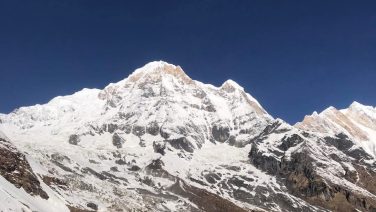
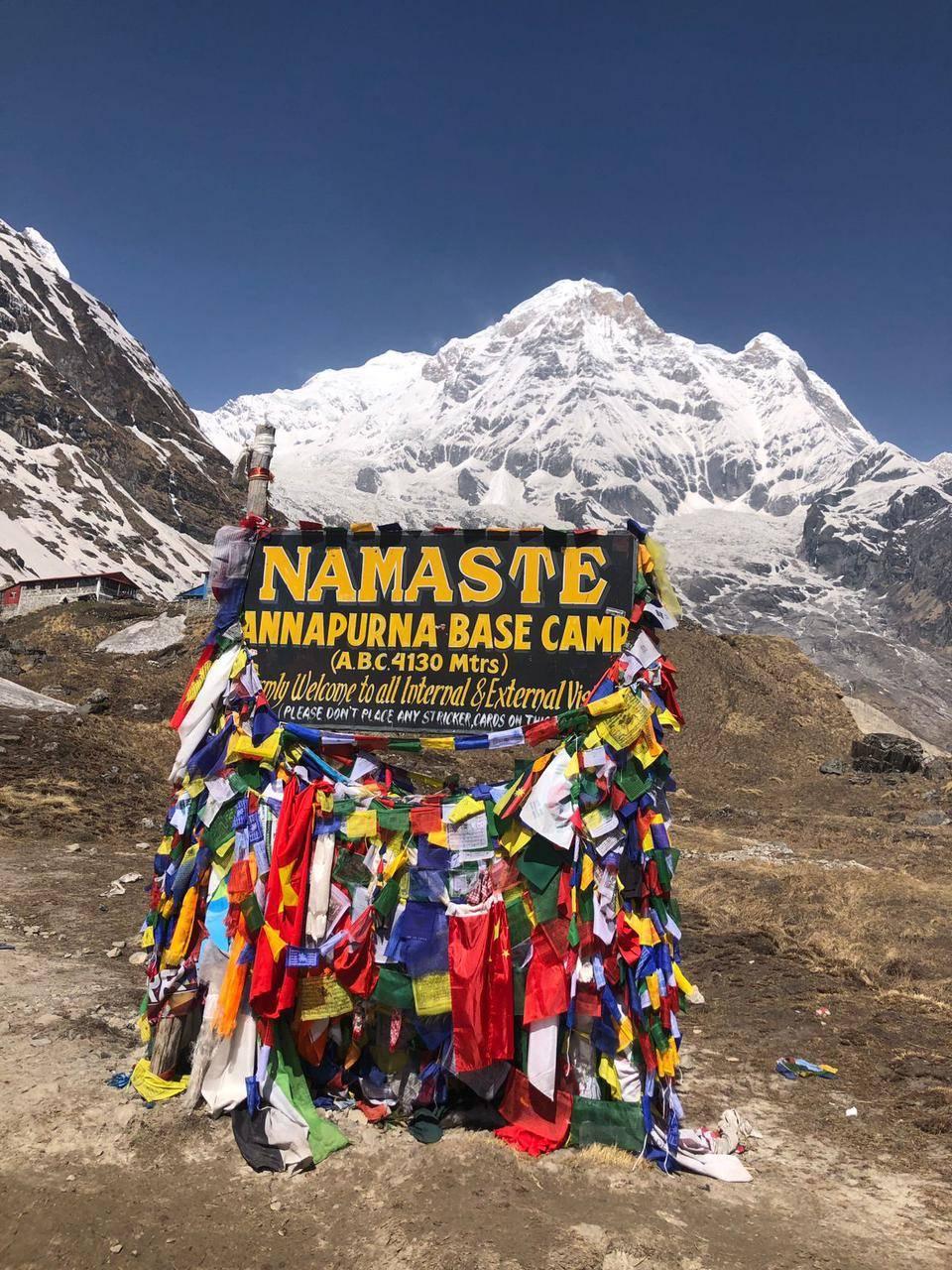
- The Classic Mountain Amphitheater (10–14 Days): Annapurna Base Camp / Sanctuary (4,130m) — A 360-degree wall of 7,000m and 8,000m peaks; moderate physical demand with extensive stone stairs.
- The Ultimate High-Pass Epic (16–18 Days): Annapurna Circuit via Thorong La Pass (5,416m) — Trans-Himalayan scenery traversing lush valleys to Tibetan arid plateaus.
- Monsoon Rain-Shadow & Culture (12–16 Days): Upper Mustang (3,840m) — Ancient walled kingdom of Lo Manthang, sky caves, and Tibetan Buddhism.
The Annapurna region treks encompass Nepal’s most diverse mountain journeys. Unlike the Everest region—which requires flying into high-altitude airstrips and follows one primary river valley—the Annapurna Conservation Area offers a multi-faceted network of trails. Here, you can choose between gentle rhododendron forest walks, steep alpine ridge ascents, deep river gorges, and remote trans-Himalayan borderlands.
However, with so many distinct trekking trails in the Annapurna range, choosing the wrong route can lead to unexpected altitude difficulties, rushed itineraries, or overcrowded lodges. This comprehensive guide compares every major Annapurna trekking option by duration, elevation, difficulty, budget, and best seasons to help you match the ideal trek to your schedule and fitness level.
Annapurna Region Treks: Master Comparison Matrix
| Trek Name | Trail Days | Max Altitude | Difficulty | Scenery Style | Permits Required |
|---|---|---|---|---|---|
| Ghorepani Poon Hill | 3–5 Days | 3,210 m (10,531 ft) | Easy to Moderate | Rhododendron forests, sunrise mountain panorama | ACAP + TIMS |
| Mardi Himal Ridge | 5–7 Days | 4,500 m (14,763 ft) | Moderate | Forest trails opening to dramatic narrow ridge lines | ACAP + TIMS |
| Khopra Danda & Khayer Lake | 5–7 Days | 3,660 m / 4,660 m | Moderate to Challenging | Off-the-beaten-track ridge, community lodges, Dhaulagiri view | ACAP + TIMS |
| Annapurna Base Camp (ABC) | 10–14 Days | 4,130 m (13,549 ft) | Moderate | Glacial amphitheater surrounded by 8,000m peaks | ACAP + TIMS |
| Annapurna Circuit | 16–18 Days | 5,416 m (17,769 ft) | Challenging | Lush subtropical gorge to Tibetan high-desert pass | ACAP + TIMS |
| Nar Phu Valley | 12–15 Days | 5,320 m (Kang La) | Challenging (Remote) | Isolated Tibetan stone villages, ancient monasteries, rugged gorges | RAP ($100/wk) + ACAP |
| Upper Mustang | 12–16 Days | 3,840 m (Lo Manthang) | Moderate (Desert) | Wind-carved canyons, sky caves, Tibetan Buddhist culture | RAP ($500/10d) + ACAP |
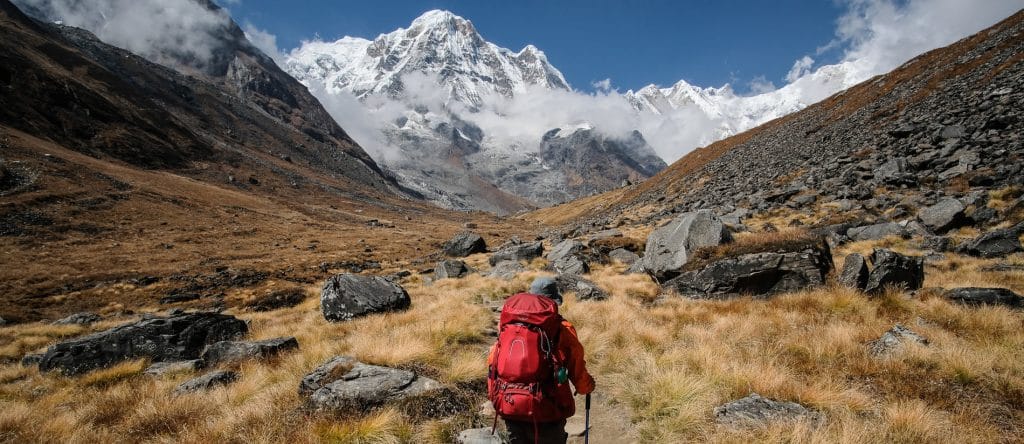
Top 5 Annapurna Treks: Deep-Dive Analysis
1. Annapurna Base Camp Trek: The Sanctuary Classic (10–14 Days)
The Annapurna Base Camp Trek is Nepal’s premiere teahouse trek for active travelers. Entering the Annapurna Sanctuary through a narrow valley gateway between Hiunchuli and Machhapuchhre, you emerge into a natural 360-degree mountain amphitheater surrounded by Annapurna I (8,091m), Annapurna South (7,219m), and Gangapurna.
- Pros: Reaches high alpine glacial terrain (4,130m) without the extreme cold or high-pass dangers of the Circuit; exceptional teahouse comfort.
- Cons: Thousands of uneven stone steps—particularly descending the Chhomrong gorge—can be punishing on the knees.
- Deep Dive: Read our full Annapurna Base Camp Trek Guide (2026) for daily stage elevations, packing advice, and avalanche gorge safety.
2. Annapurna Circuit Trek: The High-Pass Epic (16–18 Days)
The Annapurna Circuit Trek circles the entire Annapurna massif. Starting in lush Hindu subtropical farming villages near Besisahar and Chame, the trail climbs through Buddhist pine forests into Manang, crosses the formidable Thorong La Pass (5,416m / 17,769ft), and drops down to the sacred temple town of Muktinath in the Kali Gandaki Valley.
- Pros: Greatest cultural and ecological diversity of any trek in Nepal; stunning high-altitude side trip options like Tilicho Lake (4,919m) and Ice Lake.
- Cons: Longer time commitment; dirt jeep road construction on lower sections requires careful itinerary planning to use New Annapurna Trekking Trails (NATT) bypasses.
- Circuit Prep: Check our guide to preparing for the Annapurna Circuit.
3. Ghorepani Poon Hill: The Best Short Trek for Beginners (3–5 Days)
The Ghorepani Poon Hill Trek is the ultimate introduction to Himalayan trekking. Reaching a maximum elevation of 3,210m, it avoids severe altitude sickness risks while providing world-renowned sunrise vistas over both the Dhaulagiri and Annapurna massifs.
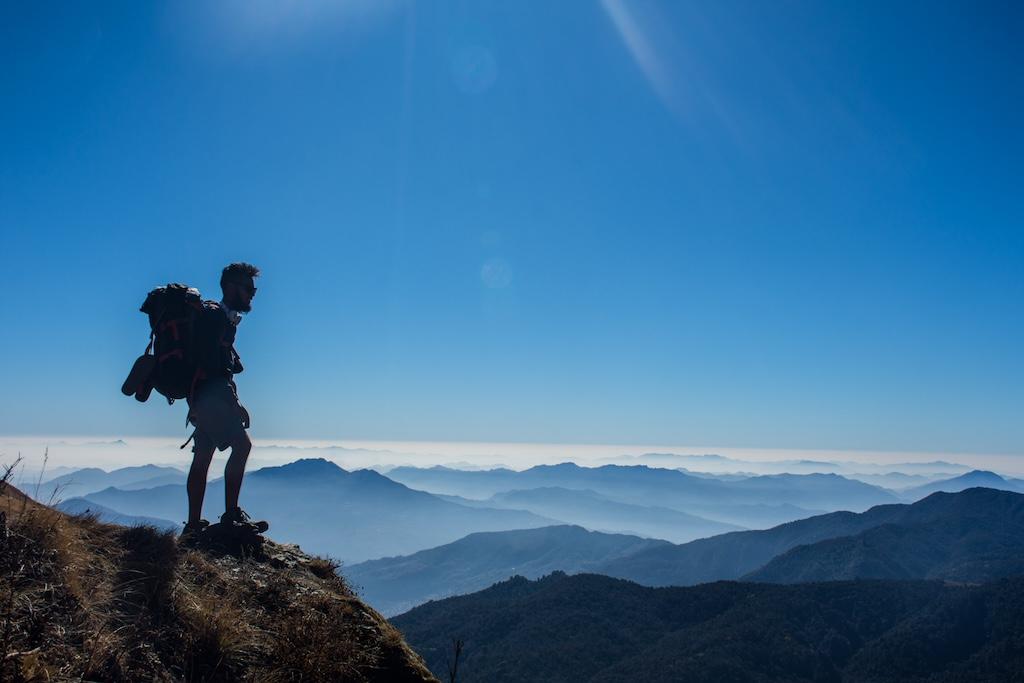
4. Mardi Himal Trek: The Peaceful Ridge Alternative (5–7 Days)
For hikers who want a 5-to-7 day journey that feels less tourist-heavy than Poon Hill, the Mardi Himal Trek is the prime choice. The trail ascends a narrow mountain ridge through quiet moss-draped cloud forests before climbing above the tree line to High Camp (3,580m) and the Upper Viewpoint (4,500m), offering striking close-ups of Fishtail Mountain.
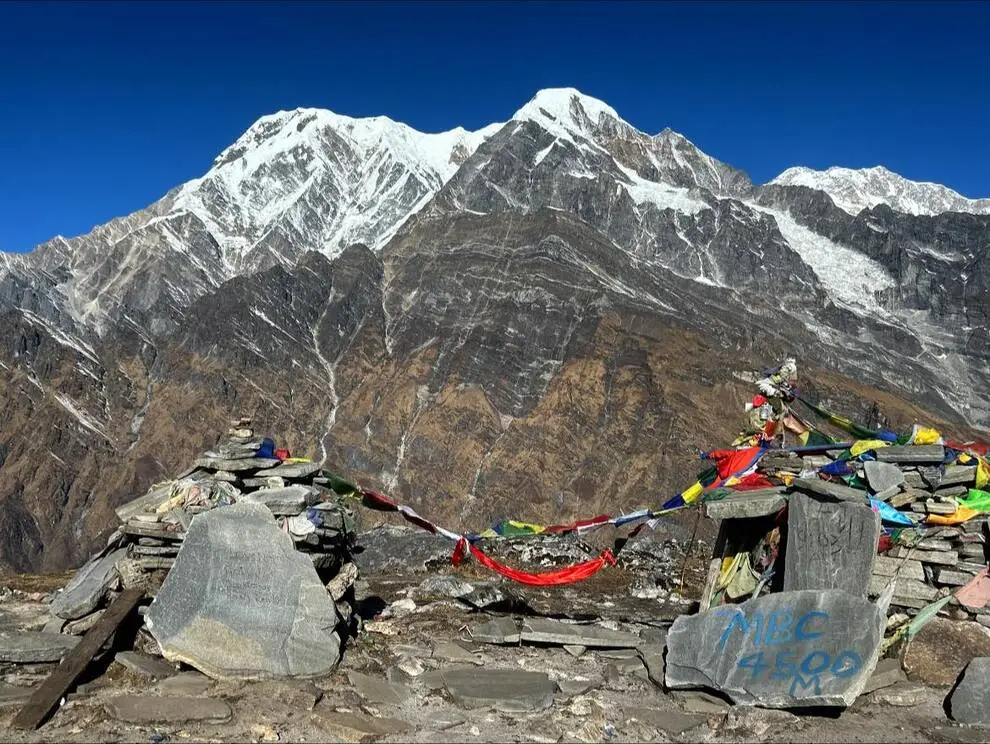
5. Upper Mustang Trek: The Ancient Walled Kingdom (12–16 Days)
Located in the northern rain-shadow of the Annapurna and Dhaulagiri ranges, the Upper Mustang Trek is a living museum of Tibetan culture. Unlike other Annapurna treks, Upper Mustang receives virtually no monsoon rain, making it the premier destination for trekking in July and August. Read our detailed Upper Mustang Trek Guide (2026) for permit details and off-road trail highlights.
Best Seasons for Annapurna Region Treks
| Season | Months | Weather & Trail Conditions | Recommended Routes |
|---|---|---|---|
| Autumn (Peak) | September to November | Crystal clear blue skies, stable weather, comfortable temperatures | All Annapurna routes (Circuit, ABC, Mardi, Poon Hill) |
| Spring (Peak) | March to May | Wild rhododendron blooms, warmer days, high snow-melt passes | All Annapurna routes (especially Poon Hill and ABC) |
| Monsoon (Rain-Shadow) | June to August | Heavy rain, landslides, and leeches in lower valleys | Upper Mustang & Nar Phu (dry desert plateau) |
| Winter | December to February | Cold nights, potential heavy snow closing Thorong La | Lower routes: Poon Hill, lower Mardi Himal, Ghandruk |
Permits & Mandatory Guide Rules (2026 Updates)
To preserve the natural environment and ensure trekker safety, the Government of Nepal and NTNC enforce strict permit and guide regulations across the Annapurna Conservation Area:
- Annapurna Conservation Area Permit (ACAP): NPR 3,000 (~$23 USD) per foreign trekker (NPR 1,000 for SAARC nationals). Valid for single entry across all Annapurna trails.
- TIMS Card (Trekkers’ Information Management System): NPR 2,000 (~$15 USD), issued via authorized trekking agencies.
- Mandatory Licensed Guide Requirement: Under revised Nepal Tourism Board safety regulations, foreign trekkers are required to travel with a government-licensed guide across major Annapurna routes (including the Circuit, ABC, and Mardi Himal). Solo independent trekking without a guide is prohibited in these protected zones.
- Restricted Area Permits (RAP): Upper Mustang requires a special $500 RAP for the first 10 days ($50/day thereafter); Nar Phu requires $100/week in autumn ($75/week in spring/winter).
Annapurna Region Treks: Frequently Asked Questions
Which is better: Annapurna Circuit or Annapurna Base Camp?
Choose Annapurna Base Camp (ABC) if you have 10 to 14 days and want to stand in a dramatic 360-degree high alpine amphitheater surrounded by sheer mountain faces. Choose the Annapurna Circuit if you have 16 to 18 days, want greater cultural and ecological diversity, and wish to cross the high mountain pass of Thorong La (5,416m).
Is Poon Hill harder than Mardi Himal?
No. Mardi Himal is physically more demanding than Poon Hill. While Poon Hill has thousands of stone stairs, it tops out at 3,210m and features wide, gradual trails. Mardi Himal climbs much higher (up to 4,500m at the upper viewpoint) along a narrow, steep mountain ridge with basic high-altitude teahouse lodging.
What is the best Annapurna trek for beginners?
The Ghorepani Poon Hill Trek (3–5 days) is widely considered the best Annapurna trek for beginners due to comfortable teahouses, lower altitude, and short daily walking distances (4–5 hours per day). Active beginners with prior hill-walking experience can also comfortably complete the Annapurna Base Camp Trek with proper pacing.
Plan Your Annapurna Adventure with Exotic Mountains
Whether you want to witness dawn break over Poon Hill, step inside the sacred Annapurna Sanctuary, or conquer Thorong La Pass, Exotic Mountains crafts personalized, safety-first guided journeys led by native Himalayan guides.
Explore All Annapurna Region Trek Packages
Browse our fully guided itineraries with licensed local guides, ACAP and TIMS permits, private trailhead transfers from Pokhara, full teahouse accommodation, and fair-wage porter support.